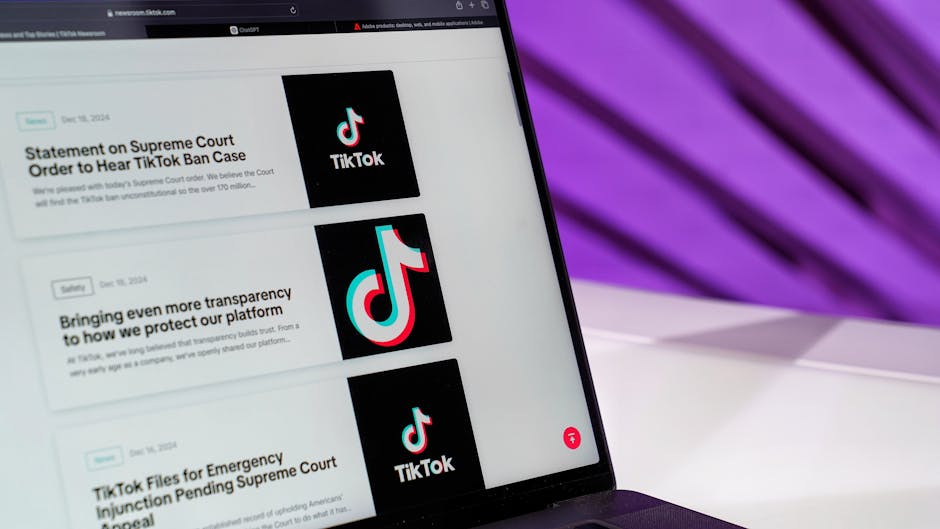
The financial landscape is rapidly evolving, and Morgan Stanley has made headlines with its application to the U.S. Securities and Exchange Commission for Bitcoin and Solana exchange-traded funds (ETFs). This move reflects a strategic decision that transcends traditional financial metrics, highlighting the growing cultural and financial significance of cryptocurrencies in wealth management.
Why Morgan Stanley’s Crypto ETF Launch is Transformative
According to Jeff Park, a former Morgan Stanley and Bitwise executive, the cryptocurrency market is substantially larger than even experienced crypto professionals previously anticipated. In Morgan Stanley’s proprietary research, Bitcoin is recognized as a socially significant asset as much as it is financially impactful. By positioning Bitcoin ETFs as a key offering, the institution appeals to younger, high-net-worth investors who value innovation and foresight in their financial services.
Park argued that the launch communicates a progressive, “forward-thinking and edgy” brand identity — an essential narrative for firms competing to attract challenging investor demographics. Unlike traditional asset classes like gold, Bitcoin and cryptocurrency ETFs have inherent branding potential, enabling financial institutions to differentiate themselves in the digital marketplace.
Signaling Competence in Emerging Technologies
Aside from client acquisition, the launch of a branded Bitcoin ETF represents Morgan Stanley’s commitment to staying ahead of the curve in emerging digital technologies. This not only enhances brand appeal with prospective clients but also boosts talent acquisition, as tech-savvy professionals are drawn to firms demonstrating innovation in crypto and blockchain.
For example, the absence of proprietary ETFs could expose the firm to risks such as fee erosion and loss of control as advisors turn to third-party platforms. By creating its own Bitcoin ETF, Morgan Stanley ensures customer loyalty and secures revenue in a competitive marketplace.
Broader Industry Implications
Morgan Stanley’s launch comes at a time when the cryptocurrency market is experiencing mainstream adoption. Other financial giants like BlackRock and Bank of America have also made significant moves in the crypto space, showing the confidence these institutions have in the future of digital assets. BlackRock’s bitcoin-focused ETF, IBIT, has already reached $80 billion in assets under management, becoming the fastest-growing ETF historically. This indicates a robust appetite for cryptocurrency-related products among investors.
Furthermore, Morgan Stanley’s willingness to enter a competitive market underscores its belief in untapped demand within its wealth channels, supported by proprietary data. The move is expected to accelerate client migration into proprietary funds and inspire similar initiatives from competitors in the financial sector.
Conclusion
Morgan Stanley’s foray into Bitcoin and Solana ETFs establishes its position as a disruptor in the increasingly digital financial ecosystem. Beyond revenue, the brand positioning benefits are undeniable. The launch reinforces Morgan Stanley’s image as a pioneer in digital assets, ensuring they remain a relevant and desirable choice for both investors and top industry talent.
If you’re an investor looking to explore innovative ways of diversifying your portfolio, consider the BlackRock Cryptocurrency ETF, known as IBIT, for a diversified investment strategy into the new age of digital finance. Always consult a financial advisor before making any investment decisions.