Understanding the Downsides of Mobile Trading
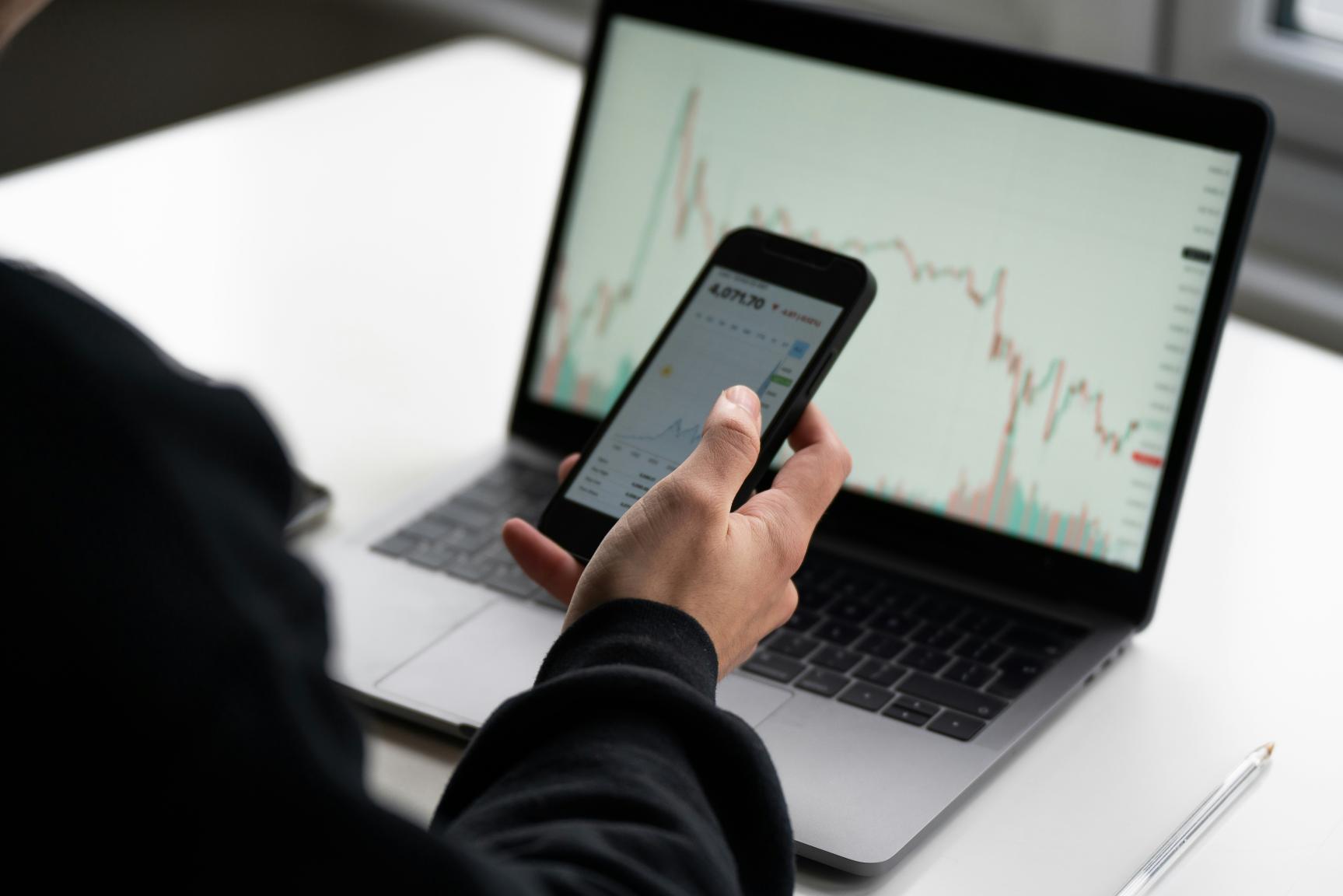
Mobile trading has revolutionized the financial industry, offering convenience and accessibility to traders worldwide. In fact, mobile apps accounted for 53.2% of the US online trading market in 2025, signaling their dominance over desktops. However, a new report from BrokerListings.com sheds light on critical issues associated with exclusive reliance on smartphone-based trading. For active traders, these hidden pitfalls can significantly impact performance and risk management.
Highlights of the “Mobile Trading” Study
The report, titled “Mobile Trading: The Hidden Issues That Could Be Costing Traders Money,” evaluates the challenges traders face when using only mobile apps for their transactions. Based on a controlled 48-hour trading experiment, investigators analyzed the impact of mobile interfaces on real-time trade execution and management. The study was conducted during peak trading hours, including the London and New York session overlap, to ensure accuracy.
According to the findings, more than 60% of the issues arose from interface limitations rather than market misreadings. Here are some of the key concerns identified:
- Small Screens: Managing trades and charts on a mobile device often lacks the precision offered by desktops.
- Interface Frictions: Touch controls can delay quick actions during volatile market conditions, impacting execution and timing.
- Limited Features: Certain tools such as in-depth chart analysis and detailed order types are typically harder to access or unavailable on mobile apps.
Why Mobile Trading Works as a Complementary Tool
Although mobile trading is not inherently flawed, the report suggests it should serve as a complementary tool rather than a replacement for desktop trading. For example, mobile apps are valuable for quick position checks or exit strategies during emergencies. But for active traders managing multiple positions in fast-paced environments, the desktop platform offers the necessary precision and control.
Christian Harris, from BrokerListings.com, emphasizes that the goal is not to discourage the use of mobile apps. Instead, it’s about equipping traders with the knowledge to utilize them effectively. “This isn’t about vilifying mobile apps,” Harris stated. “It’s about making active traders aware of the practical trade-offs when they shift entirely to mobile.”
How to Improve Your Mobile Trading Experience
To mitigate the limitations highlighted in the study, traders should consider adopting a dual-platform approach. Here are some tips to improve your mobile trading experience:
- Combine Desktop and Mobile Tools: Use mobile platforms for monitoring and desktops for executing complex trades.
- Choose Advanced Apps: Platforms like eToro and Robinhood offer trading apps with robust features that reduce interface frictions.
- Leverage Alerts: Set up push notifications and trading alerts for timely updates, ensuring you don’t miss critical opportunities.
Final Thoughts
Mobile trading delivers unparalleled convenience, especially in today’s fast-paced world. However, as the report from BrokerListings.com illustrates, understanding its limitations is crucial for long-term success. By utilizing desktops for precision tasks and integrating advanced mobile apps into your strategy, you can maximize efficiency while minimizing risks.
For more insights, read the full report on BrokerListings.com. Additionally, for traders looking for ultra-smooth performance in volatile markets, check out the eToro Trading Platform, which combines excellent desktop and mobile functionality.