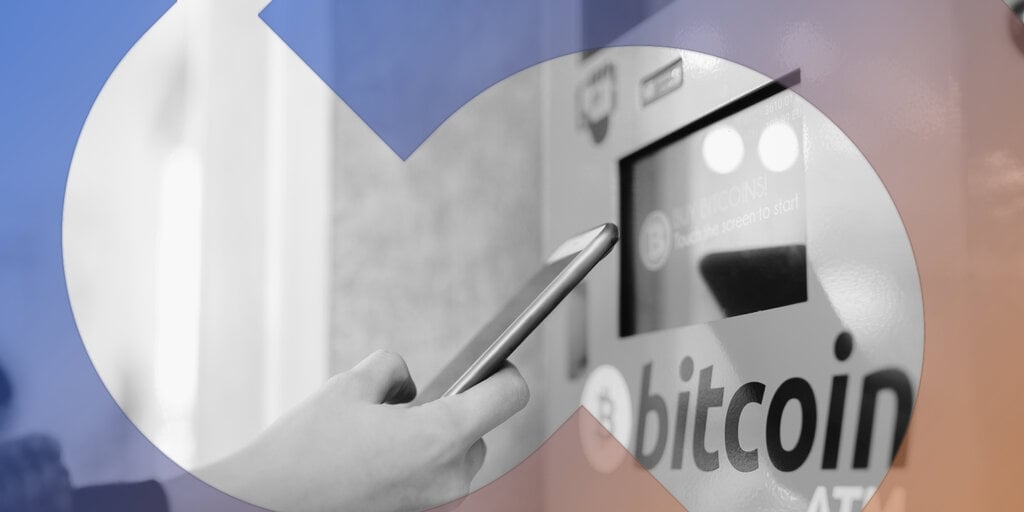
The state of Maine has reached a $1.9 million settlement with Bitcoin Depot, marking a significant step in protecting consumers from scams linked to cryptocurrency kiosks. This settlement follows a two-year investigation and seeks to compensate residents who fell victim to fraudulent transactions.
What Led to the Settlement?
The Maine Bureau of Consumer Credit Protection uncovered that scammers exploited Bitcoin Depot’s ATMs to lure victims into fraudulent transactions. Common strategies included fraudsters posing as government officials, businesses, or tech support agents, convincing individuals to transfer funds through crypto kiosks. As part of the agreement, Bitcoin Depot will provide compensation to residents who were scammed through their machines and has been granted a money transmitter license to operate legally in the state.
Rising Concerns Around Crypto ATMs
The U.S. is home to over 30,000 cryptocurrency kiosks, which offer users the ability to convert cash into cryptocurrency quickly. While they provide convenience, they’ve also drawn criticism for their lack of consumer protections and susceptibility to fraud. According to FBI reports, Americans lost $246 million via crypto ATM scams in 2024 alone, an alarming 99% increase from the year prior, with nearly half of those victims being over the age of 60.
Governor Janet Mills of Maine emphasized the importance of consumer awareness, encouraging families to educate loved ones, particularly seniors, about the potential risks associated with these machines. “This settlement aims to put money back into the pockets of Mainers, while sending a clear message that predatory scams will not be tolerated,” Mills stated.
Tighter Regulations and Reforms
In response to growing fraud concerns, Maine enacted emergency legislation—“An Act to Regulate Virtual Currency Kiosks”—to cap fees, limit daily transaction amounts, and offer recourse for victims. Similarly, other U.S. states and even international governments, like the UK and New Zealand, have moved to tighten regulations around cryptocurrency kiosks.
At the federal level, discussions are underway to implement measures such as transaction caps and mandated refund policies for scam victims, led by figures like Senator Dick Durbin of Illinois.
What This Means for You
If you use crypto ATMs, it’s essential to be vigilant. Avoid sending cryptocurrency to unknown parties and double-check the legitimacy of anyone requesting payment through these kiosks. Protect yourself by educating those around you on how to spot potential scams.
Secure and Trustworthy Alternatives
For those interested in exploring cryptocurrencies safely, consider using platforms like Coinbase, which provides secure digital wallets and transactions with transparency and compliance measures. Additionally, products like the Ledger Nano X hardware wallet (available here) offer offline security for your assets, helping protect against unauthorized access.
As digital assets become more mainstream, staying informed and cautious will be key to navigating this evolving landscape.