Magic Eden Introduces Groundbreaking Revenue-Sharing Model for NFTs
Magic Eden, a leading name in the NFT space, is setting a new standard for ecosystem sustainability with its innovative revenue-sharing structure. The NFT marketplace has announced a revolutionary economic redesign, committing 15% of its platform revenue into the $ME token economy. This shift is poised to realign user incentives and long-term engagement strategies, effectively redefining how value flows through NFT ecosystems.
How the New $ME Token Economy Works
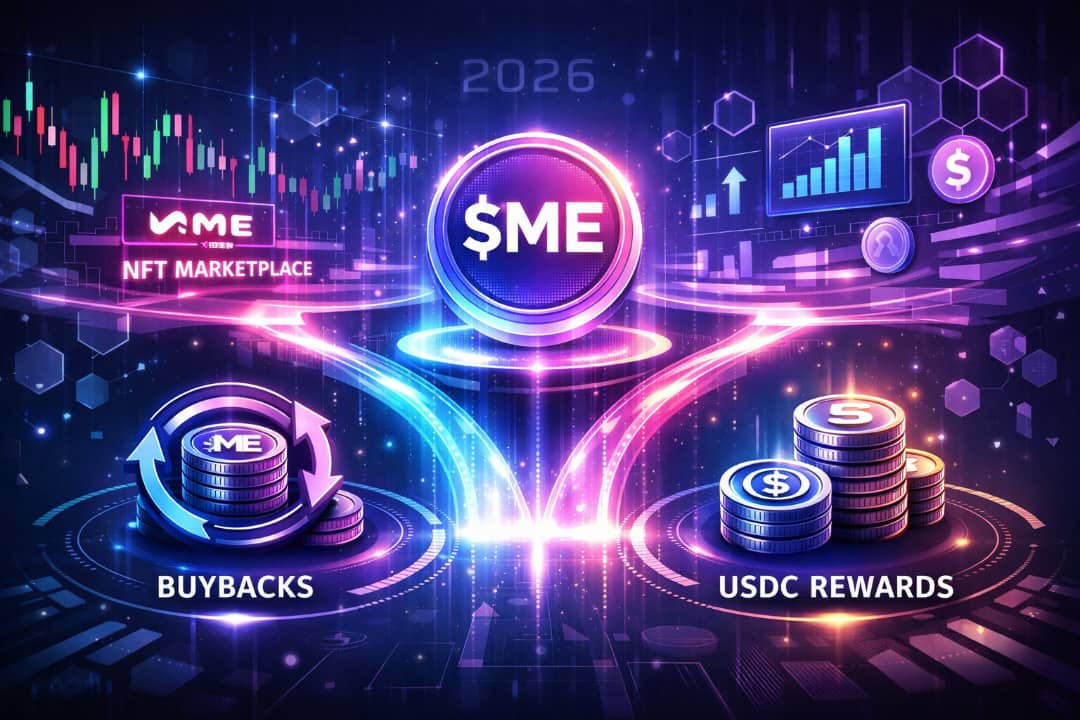
Starting February, Magic Eden will allocate 15% of all generated revenue into the $ME system. This update replaces the prior, narrower buyback model with a comprehensive structure in which every revenue-generating category—spanning NFT packs, predictions, collectibles, and new product offerings—now contributes to the pool.
The revenue is evenly split between direct USDC rewards for token stakers and open-market buybacks of the $ME token. This hybrid system bridges traditional financial mechanisms like dividends with modern blockchain tokenomics. According to analysts, this design could create a healthier token lifecycle by reducing sell pressure and fostering user loyalty.
Staking Power and Rewards
The new model emphasizes staking power, determined by the amount of $ME tokens staked and the duration of the staking period. Participants with longer commitments benefit from increased influence and eligibility for monthly USDC rewards. For February activity, rewards will be available starting in March, with a 90-day claim window for added flexibility.
Sustainability at the Forefront
Unlike inflationary reward models, which flood the market with tokens, Magic Eden ties rewards directly to real, cash-generating activities. This fundamental shift aligns user incentives with platform growth, creating a more sustainable environment for both creators and collectors.
Why This Model Stands Out
Magic Eden’s hybrid strategy seeks to strike a balance between liquidity and community incentives. By splitting revenue between buybacks and USDC distributions, the model empowers stakers to benefit from ongoing yields without relying on speculative selling. The marketplace aims to reward engagement and stability over short-term trading behaviors, a bold departure from typical crypto tokenomics.
Regulatory Landscape and Industry Impact
While the move demonstrates Magic Eden’s commitment to innovation, its revenue-sharing model may attract regulatory scrutiny in some regions, as mechanisms resembling dividends are often closely examined. However, this hasn’t deterred Magic Eden—its focus remains on transparency, ecosystem growth, and aligning tokenholder rewards with platform health.
As one of the leading NFT marketplaces, Magic Eden leverages its robust revenue streams to support this pioneering system. If successful, it could inspire other Web3 projects to adopt more sustainable economic models, further solidifying its position as a leader in the NFT sector.
Featured Product: Ledger Nano X – Crypto Security Made Simple
Investing in cryptocurrencies like the $ME token requires secure storage to protect your assets. The Ledger Nano X offers state-of-the-art crypto security, ensuring your tokens remain safe while you stake and grow your investments. As the NFT and crypto world evolves, a trusted hardware wallet like Ledger Nano X is a must-have for both new and experienced investors.
Conclusion: A New Standard in Tokenomics?
Magic Eden’s revenue-sharing structure represents a new era in NFT marketplace innovation. By aligning user incentives with real-world cash flow, the company hopes to foster a more stable and thriving ecosystem. The industry will undoubtedly watch carefully as Magic Eden tests the limits of combining utility, sustainability, and rewards in tokenomics.
For updates on NFT trends and blockchain innovation, follow us on Twitter @nulltxnews or subscribe to our weekly newsletter. Explore the future of crypto today!