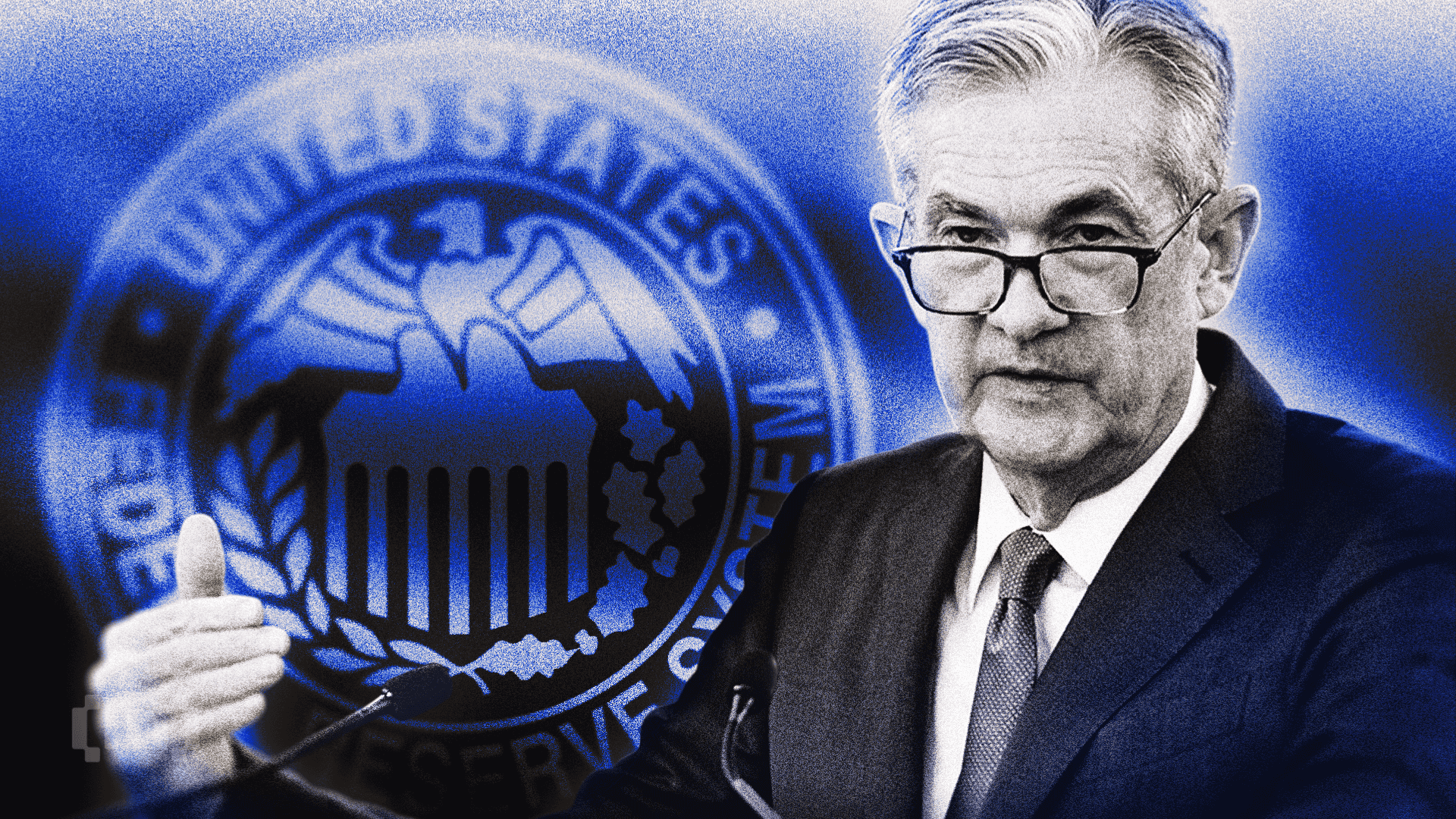
US Federal Reserve Chair Jerome Powell recently addressed the George P. Shultz Memorial Lecture at Stanford’s Hoover Institution. Known for his steady hand in economic matters, Powell used the platform to reflect on the Federal Reserve’s role in ensuring price stability without delving into the current state of the economy or monetary policy. For market watchers and economic analysts, his comments provided both historical perspective and subtle cues on the Fed’s priorities.
What Did Jerome Powell Say?
Powell avoided discussing immediate controversies over interest rates, quantitative tightening, or monetary shifts. Instead, he spoke about lessons learned from past decades, particularly the price and wage controls of the Nixon era. He remarked, “Our understanding of the economy is ever-evolving. Certain things considered conventional wisdom today could be viewed as misguided in the future.” This reflection underscored the complexities of economic decision-making and defended the Federal Reserve’s data-driven independence.
The timing of the speech, just days before the Federal Open Market Committee (FOMC) meeting, sparked speculation. Many expected Powell to provide clues about upcoming rate cuts or changes in monetary policy, given growing concerns about inflation and market stability.
The Central Bank’s Price Stability Mandate
One of Powell’s key assertions was the Federal Reserve’s unwavering commitment to price stability. “We understand now that the central bank is responsible for price stability. That issue is settled,” he said. At a time when political leaders, such as National Economic Council Director Kevin Hassett, have called for a simplified approach to monetary policy, Powell’s emphasis on the Fed’s responsibility and independence stood out as a subtle, yet significant, message.
President-elect Trump has hinted at announcing a new Federal Reserve Chair soon, with Powell’s term set to expire in May 2026. Speculation surrounds potential successors, including Kevin Hassett. Powell’s commitment to principles like independence and continuous economic adaptation may shape the selection process.
Why Powell’s Speech Matters Now
The context of Powell’s remarks cannot be ignored. As quantitative tightening phases out and calls for rate reductions increase, financial pressures continue to mount on banks, investment funds, and other market institutions. His comments resonate particularly with institutions seeking stability amid uncertainty about the future of Federal Reserve policies.
During the event, Powell also praised the economic methodologies of George Shultz, the lecture’s honoree. Shultz’s legacy of combining “strong principles and unshakable integrity with practical problem-solving” serves as an example for contemporary economic leadership. Powell’s own belief in “the wisdom of markets” seemingly aligns with Shultz’s pragmatic view on policymaking.
How to Stay Informed on Financial Trends
As the Fed navigates its next steps, staying informed about global market trends is critical. Whether you’re an investor or a casual observer, keeping track of expert insights and developments can help you make better decisions. For instance, a well-organized financial planner like the Moleskine Smart Planner combines traditional note-taking with technology to help you track market trends, organize key events, and plan investments efficiently.
Finally, Powell’s remarks at the Hoover Institution signify a period of deliberation and reflection for the Federal Reserve. His focus on historical lessons and an evolving economic understanding highlights the complexity of monetary policies. As the financial world watches closely, it remains to be seen how these principles will shape the next chapter in US economic policy.