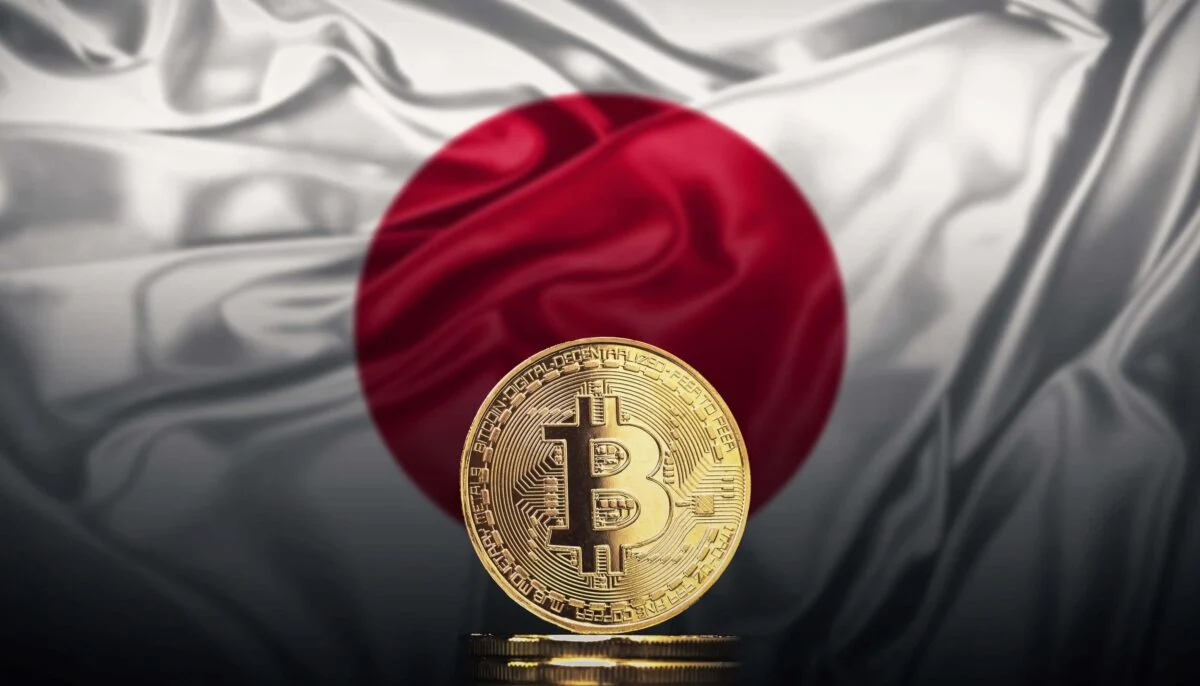
Japan’s economic landscape recently attracted global attention following the central bank’s decision to raise its benchmark interest rate to 0.75%, marking the highest rate since 1995. Despite this move intended to strengthen the yen, the currency surprisingly weakened further. Let’s dive into the factors behind this unexpected turn of events and its broader implications for global investors.
Why the Rate Increase Failed to Bolster the Yen
The Bank of Japan’s (BOJ) interest rate rise aimed to stabilize the yen after months of volatility. However, the currency hit historic lows against major players such as the dollar, euro, and Swiss franc. The dollar surged to 157.67 yen, with the euro and Swiss franc soaring to 184.90 and 198.08 yen respectively. Why did the intended strengthening move fail?
A large factor lies in the real interest rate disparities. While Japan’s real interest rate remains negative at -2.15% (reflecting inflation of 2.9% against its nominal rate of 0.75%), the US holds a real rate advantage of +1.44%. This major gap has revived the yen carry trade, incentivizing global investors to borrow yen and invest in higher-yielding assets overseas, particularly in the US.
Moreover, the increase was entirely anticipated by the market, with a near 100% expectation indicated in trading patterns. This led to a classic “buy the rumor, sell the news” reaction, where investors profited by selling yen post-announcement, causing immediate downward pressure on the currency.
Structural Economic Issues Compound the Problem
Japan’s challenges go beyond interest rates. The nation faces significant structural issues, including an alarming government debt-to-GDP ratio of 240%. The BOJ’s long-standing policy of purchasing massive amounts of government bonds suppresses bond yields but risks igniting a debt crisis in the absence of these measures.
The direction taken by BOJ Governor Kazuo Ueda has also disappointed markets. During a press conference accompanying the recent rate hike, Ueda failed to provide clear guidance on further tightening policies, citing uncertainty in the economic outlook. This lack of urgency to tighten policy further exacerbated market concerns about Japan’s fiscal path.
Currency Intervention: A Looming Reality
Japan’s Ministry of Finance has indicated that excessive currency movements will not go unchecked. Deputy Finance Minister Atsushi Mimura described the yen’s recent fluctuations as “one-sided and sharp.” Should the dollar breach the critical 160-yen mark, intervention becomes likely. Historically, the BOJ spent roughly $100 billion in similar circumstances to stabilize the yen.
Such interventions could create ripple effects across other markets, including cryptocurrencies. Bitcoin, for instance, saw a 1% gain following the yen’s recent drop, but similar rallies in the past have been short-lived when interventions ensue. Historically, Bitcoin and other assets have experienced corrections following BOJ actions to strengthen the yen.
What’s Next for Japan and Its Economy?
Prime Minister Sanae Takaichi’s recent fiscal policies, including substantial stimulus measures, represent another wildcard. While designed to boost Japan’s pandemic-hit economy, these actions risk undermining efforts to stabilize the yen further.
Looking ahead, analysts predict the yen may stabilize near 155 by year-end, though further erosion towards historic lows cannot be ruled out. As the dollar approaches the 160 mark, market watchers will keep a close eye on BOJ’s next moves and their potential global ramifications.
Investing Amid Yen Volatility
The yen’s weakness underscores the importance of diversifying investments globally. During periods of high volatility, assets like cryptocurrencies may reflect shifts in investor sentiment. To navigate these uncertain times successfully, leveraging expert insights is crucial. For those interested in benefiting from emerging markets, consider exploring Bitcoin, a cryptocurrency that has historically garnered attention during financial disruptions. Please perform due diligence when investing in speculative assets.