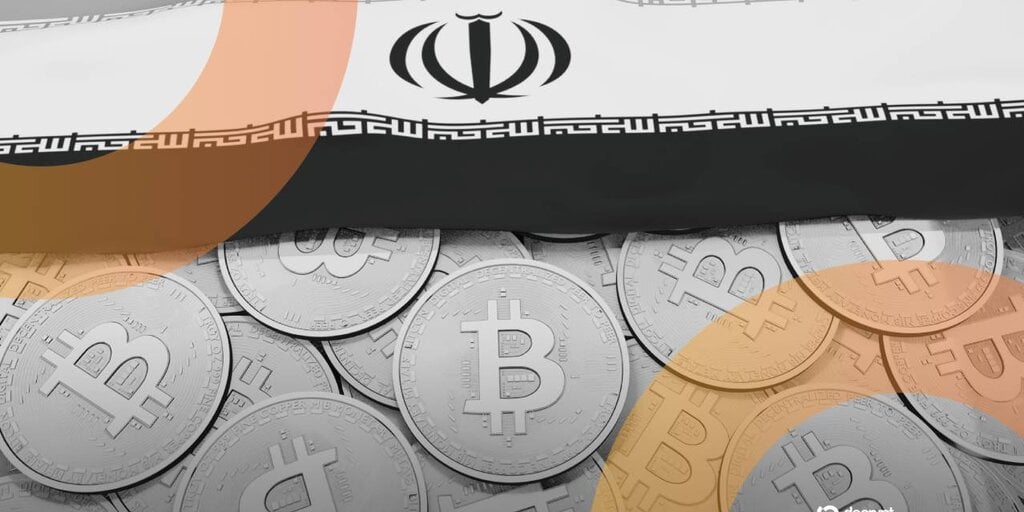
As Iran faces escalating political and economic turmoil, the use of cryptocurrencies has surged, painting a fascinating picture of how digital assets are becoming integral to the country’s financial ecosystem. According to a recent report from blockchain analysis firm Chainalysis, the total crypto activity in Iran reached a staggering $7.8 billion in 2025, driven by both civilians seeking financial freedom and sanctioned state actors leveraging Bitcoin.
The Perfect Storm: Economic Instability Drives Bitcoin Adoption
For Iranian citizens, cryptocurrencies are not just a financial tool but a lifeline. Amid hyperinflation, with rates fluctuating between 40% and 50%, and the national currency, the rial, in freefall, Bitcoin has emerged as a haven. Late 2025 saw mass protests and nationwide internet restrictions, pushing civilians to withdraw their holdings from exchanges to personal crypto wallets. This shift underscores the growing reliance on cryptocurrencies during periods of unrest and instability.
As Eric Jardine, the Head of Research at Chainalysis, explains, “During a crisis, Bitcoin becomes the preferred safe-haven asset in Iran, with stablecoins also playing a role for remittances due to their low cost and stability.”
State Involvement in Cryptocurrency: A Double-Edged Sword
While citizens turn to Bitcoin for financial survival, the Iranian government and state-linked organizations are also embracing cryptocurrencies, albeit for different reasons. Addresses tied to Iran’s Islamic Revolutionary Guard Corps (IRGC) accounted for over 50% of the country’s crypto value in late 2025. These state actors likely use digital assets to sidestep U.S.-led sanctions and facilitate international transactions.
Cryptocurrencies’ decentralized nature makes them an effective tool under such circumstances. However, this dual usage—both by civilians as a means of escape from economic repression and by state actors navigating sanctions—highlights the complexity of the crypto ecosystem in Iran.
The Growing Role of Bitcoin in Crisis Environments
Iran is not alone in treating Bitcoin as a financial refuge. Research from the International Review of Economics & Finance confirms that global crises, such as the COVID-19 pandemic and conflicts in Ukraine and Palestine, have consistently spurred Bitcoin adoption in affected areas. The appeal lies in its resistance to censorship, financial privacy, and inability to be manipulated, making it a beacon of hope for those in politically or economically unstable regions.
Bradley Rettler, a senior fellow at the Bitcoin Policy Institute, comments that the increased self-custody of Bitcoin during Iran’s protests is a response to financial repression. “Bitcoin provides an alternative in nations where citizens fear their government, face financial censorship, or witness rapid inflation of their currency,” he says.
Bitcoin as a Freedom Tool for the People
Bitcoin has gradually become a Trojan horse for financial freedom. Activists and dissidents have embraced it as an alternative payment method since its inception. Back in 2011, organizations like WikiLeaks adopted Bitcoin to bypass financial blocks from traditional platforms like PayPal. Today, it’s being leveraged on a much broader scale.
As Rettler explains, “While political leaders may adopt Bitcoin as an investment, this inadvertently encourages their citizens to learn about and acquire Bitcoin, leading to greater financial freedom.”
Take Control of Your Financial Future
If you’re interested in adopting secure and reliable Bitcoin solutions to protect your wealth during turbulent times, products like Ledger Nano X provide an excellent option for self-custody. Designed to ensure privacy and security, this hardware wallet empowers users to store and manage cryptocurrencies seamlessly, avoiding reliance on exchanges during periods of financial uncertainty.
The evolution of Iran’s crypto economy demonstrates the unstoppable nature of digital assets as tools for both freedom and necessity. As more countries grapple with economic instability and government overreach, Bitcoin and other cryptocurrencies are poised to play an increasingly vital role in shaping the financial futures of millions globally.