The Collapse of the Iranian Rial and Surging Inflation
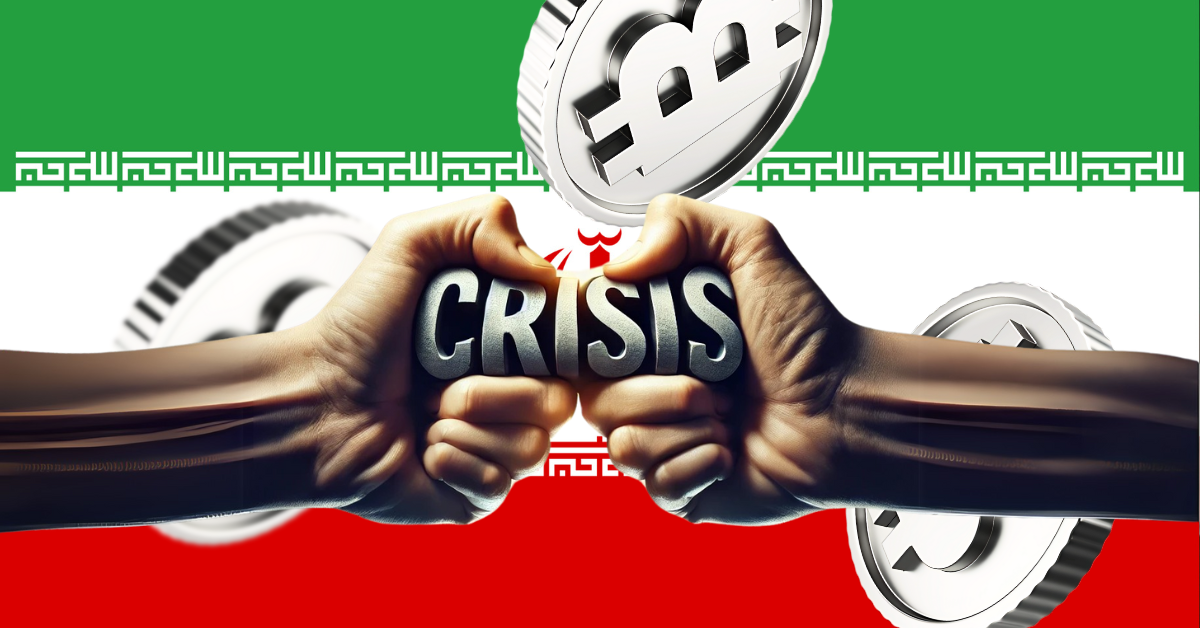
Iran is currently facing one of its worst economic crises in history. The national currency, the rial, has plummeted to unprecedented lows, and inflation is skyrocketing, leaving countless families struggling to make ends meet. In December 2025, the rial reached a historic low, trading at nearly 1.4 million per US dollar, marking a staggering 40% drop within six months. This rapid devaluation of the currency has reignited public unrest and forced the nation to reconsider alternative financial strategies.
The Erosion of Purchasing Power
Over the past decade, the rial has experienced a crippling decline, losing more than 95% of its value against the US dollar. Back in 2015, one dollar could be purchased for approximately 32,000 rials. Fast-forward to 2025, and the value of the rial has all but collapsed, with inflation serving as a relentless antagonist. Reports indicate that annual inflation hit 42.2% in December, with food prices surging by 72% and medical costs climbing by nearly 50%. Households across the nation are feeling the burden as essential everyday items become increasingly unaffordable.
Gold and Bitcoin: A Flight to Alternative Assets
Historically, Iranians have turned to gold as a protective asset during times of economic instability. This year alone, gold coin prices have doubled, reaching an average of 1.7 billion rials per piece. However, alongside the rally in gold, Bitcoin is emerging as a modern-day hedge against currency collapse. As faith in traditional monetary systems erodes, many are turning to cryptocurrency as a potential store of value.
Hunter Horsley, CEO of Bitwise, highlights Bitcoin’s growing appeal in crisis situations. Unlike traditional currencies, Bitcoin operates independently of governmental influence, offering individuals an avenue to safeguard their savings amidst financial mismanagement. This phenomenon isn’t exclusive to Iran—nations like Argentina have also witnessed increased adoption of crypto assets as their fiat currencies falter.
The Promise and Pitfalls of Bitcoin
Bitcoin’s decentralized nature and fixed supply make it a compelling option during financial crises. However, the digital currency is not without its drawbacks. Its inherent volatility can deter risk-averse individuals, while regulatory restrictions and technical barriers make accessibility a challenge, especially in countries like Iran where strict controls are in place.
Despite these hurdles, Bitcoin continues to gain traction as a “plan B” during times of monetary uncertainty. Its re-emergence as an alternative asset underscores the collective distrust in traditional monetary systems and the growing desire for financial autonomy.
Where to Start with Bitcoin
If you’re new to cryptocurrency and interested in exploring Bitcoin as a financial hedge, consider starting with a trusted platform like Coinbase. Known for its user-friendly interface, Coinbase offers easy access to Bitcoin and a wide range of other cryptocurrencies, providing a safe and reliable entry point for beginners.
Final Thoughts
Iran’s ongoing economic turmoil paints a stark picture of the vulnerabilities within fiat monetary systems. As the rial’s value crumbles and inflation soars, alternative assets like gold and Bitcoin offer a glimpse of hope for those seeking financial stability. While not without risks, Bitcoin’s resurgent popularity during such crises signals a broader shift towards decentralized financial alternatives in an ever-changing global landscape.