The Rise of Interest-Bearing Stablecoins: What You Need to Know
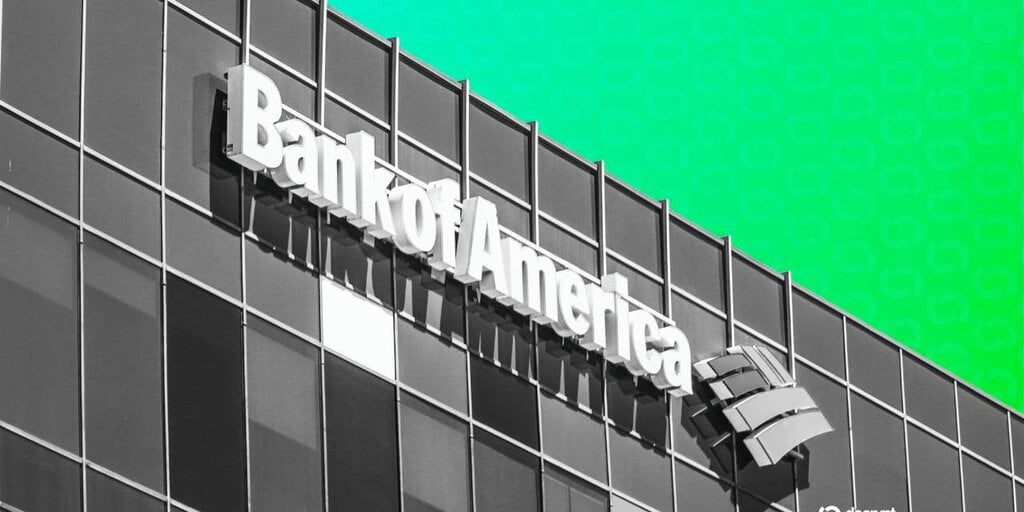
As the world of cryptocurrency evolves, interest-bearing stablecoins are emerging as a potential game-changer for the financial sector. According to Bank of America’s CEO, Brian Moynihan, these digital assets could divert up to $6 trillion from traditional bank deposits. But what does this mean for small businesses, consumers, and the overall banking system?
The Debate: Crypto vs. Traditional Banking
Interest-bearing stablecoins function similarly to money market mutual funds by investing deposited funds in low-risk, short-term debt securities like U.S. Treasury bills. However, this model has raised concerns within the traditional banking sector. Moynihan argues that if stablecoins became widely used, they could reduce the capacity of traditional banks to lend money, particularly to small-to-medium-sized businesses that rely heavily on such loans.
“Smaller companies might face higher borrowing costs as funds move to stablecoins,” Moynihan warned during a recent earnings call. With reduced lending capacity, banks would need to turn to wholesale funding sources, increasing the overall cost of borrowing, which would likely trickle down to customers.
The Senate Crypto Bill and Its Implications
The debate around stablecoins has intensified with the Senate Banking Committee’s recent crypto bill. This legislation aims to prohibit idle stablecoin deposits from earning interest unless tied to specific activities like transactions or loyalty programs. Coinbase CEO Brian Armstrong has openly opposed the bill, claiming it unfairly disadvantages the crypto industry.
“This bill stifles innovation and competition in the financial sector,” Armstrong stated. He further criticized other provisions, including restrictions on tokenized equities and government surveillance of crypto payments. In his view, regulations should foster innovation while ensuring risk management and consumer protection.
Will Stablecoins Outperform Banks?
The potential for stablecoins to offer better interest rates than traditional deposit accounts might appeal to consumers, but it adds pressure on banks to adapt. Radi El Haj, CEO of payments firm RS2, believes that banks could face significant challenges if customers migrate their funds to crypto alternatives. He stated that this shift would force financial institutions to refine their products, pricing, and technology to remain competitive.
“If deposits move to stablecoins, it’s because customers are seeking better value and flexibility,” El Haj said, emphasizing the importance of fair competition in the financial landscape.
How to Stay Ahead in the Changing Financial Landscape
As stablecoins disrupt traditional banking systems, consumers and businesses alike must adapt. Highlighting the right platform or product becomes essential. For those looking to venture into the stablecoin ecosystem, using Coinbase, a leading cryptocurrency exchange, offers an accessible way to explore interest-earning options and manage your digital assets.
In conclusion, the ongoing clash between stablecoins and traditional banking systems is a reminder that innovation will continue shaping the future of finance. Whether you’re a consumer, business owner, or policymaker, staying informed about these developments is crucial to thriving in this dynamic environment.