The role of insider trading in prediction markets is under increasing scrutiny following a prominent event on Polymarket. A user of the platform placed what appears to be a strategic $400,000 bet on the ousting of former Venezuelan president Nicolás Maduro. The timing of this wager, just hours before U.S. special forces apprehended Maduro, reignited debates about insider knowledge and its implications for prediction platforms.
Understanding Prediction Markets
Prediction market platforms, like Polymarket, enable users to bet on the outcomes of future events, ranging from politics and economics to real estate trends. These platforms differ from traditional financial markets because they prioritize information flow and predictive accuracy.
For example, Loxley Fernandes, CEO of prediction protocol Myriad, argues that “insider trading” isn’t necessarily a drawback for prediction markets. In an interview, Fernandes stated, “Prediction markets are one of the most effective tools for rooting out inside information and maximizing the efficiency of information transmission.” According to Fernandes and other proponents, insider knowledge can enhance the accuracy of predictions, making these markets valuable information tools rather than mere gambling platforms.
Regulation on the Horizon
Despite these arguments, U.S. lawmakers are moving toward regulation. Representative Ritchie Torres (D-NY) has already proposed a bill, the Public Integrity in Financial Prediction Markets Act of 2026, which aims to ban federal employees from leveraging insider information on prediction platforms. According to Torres, the Maduro-Polymarket trade exemplifies a critical need for stricter oversight.
Prediction markets face a delicate balancing act. George Mason University economics professor Robin Hanson highlights the tradeoff between price accuracy and public accessibility. “If we’re prioritizing accurate prices, then insider trading plays a unique role,” Hanson explains. However, traditional financial markets discourage insider trading to encourage broader participation, emphasizing transparency and fairness.
The Rapid Growth of Prediction Markets
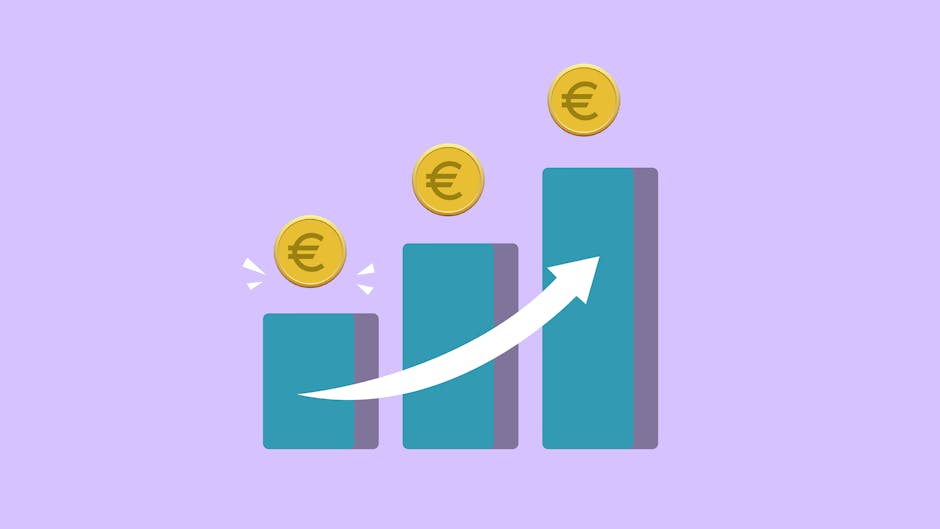
Platforms like Polymarket and Kalshi are growing exponentially. Polymarket was valued at $9 billion in late 2025 following a massive $2 billion investment, while Kalshi reached an $11 billion valuation soon after. These numbers underscore the platforms’ potential to revolutionize how information is traded and utilized across industries.
Polymarket recently expanded its scope, introducing real estate prediction markets—an innovative move allowing users to bet on median house prices in various U.S. states. As these platforms grow, the call for regulation is unlikely to go away, especially since some countries, including France, Belgium, and Italy, have already banned prediction markets due to ethical and regulatory concerns.
A Balanced Approach to Regulation
Industry leaders like Fernandes advocate for a balanced regulatory approach that distinguishes prediction markets from stock markets. They emphasize the need to educate lawmakers about the unique role prediction platforms play in the information age. Fernandes notes, “The democratization of insider information is a key innovation in the proliferation of the information age.” Without thoughtful regulation, prediction markets risk being oversimplified as “alternative casinos,” potentially stifling their potential to offer meaningful insights.
Related Product Highlight
If you’re interested in staying up-to-date with prediction markets and analyzing their trends, consider “The Art of Prediction Markets” by John Roberts—a comprehensive guide available on Amazon. This book delves into how these markets work and their implications for the future of financial systems.
As debates continue, the Polymarket controversy exemplifies the challenges and opportunities this emerging industry faces. Whether you view insider trading as a “feature or a bug,” one thing is certain: prediction markets are rapidly reshaping the landscape of information and finance.