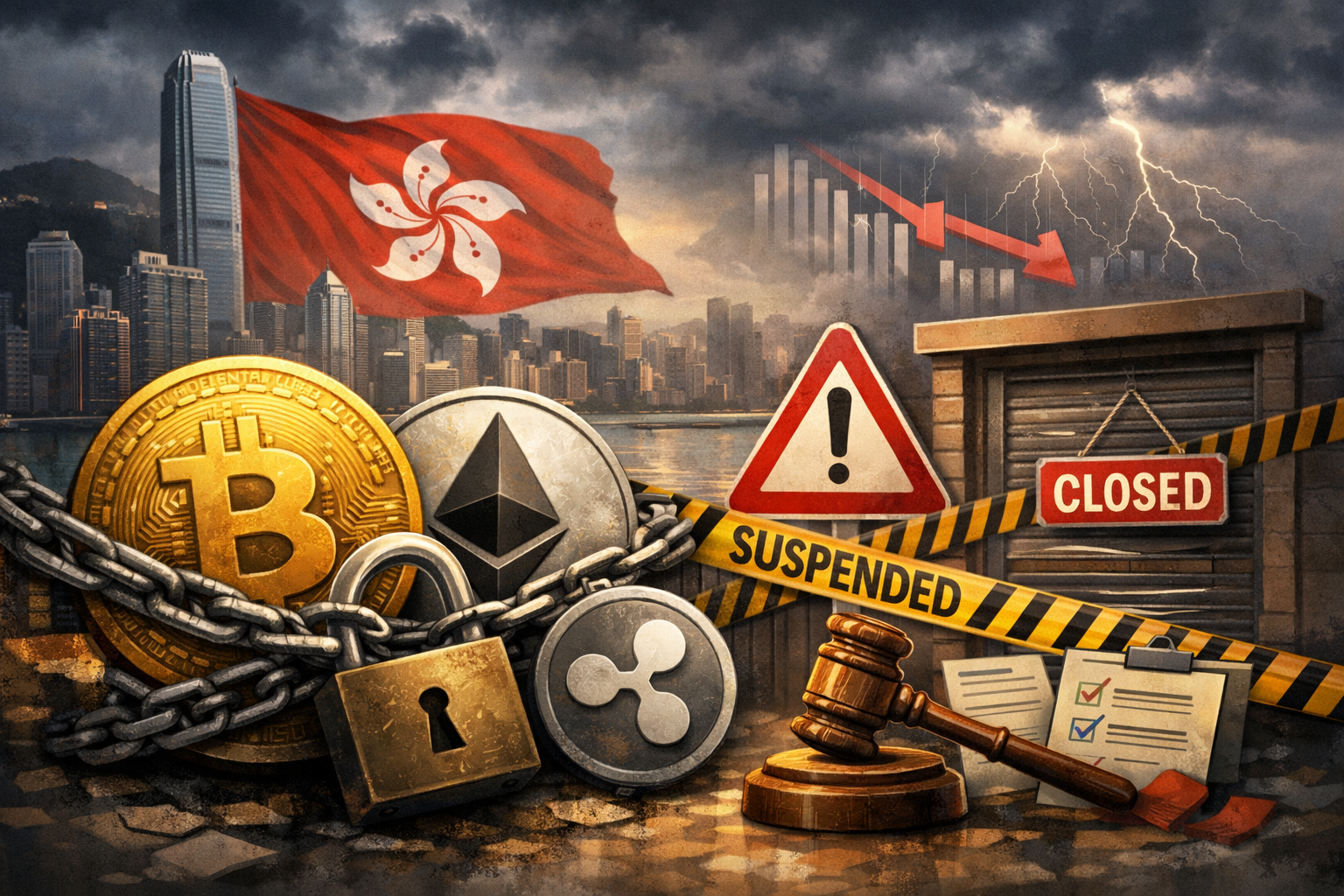
The cryptocurrency industry in Hong Kong is facing a transformative moment as new licensing rules aim to strengthen oversight of digital asset firms. However, these proposed regulations have sparked concerns among industry experts, particularly regarding the potential for a “hard start” approach, which may leave firms at risk of operational disruptions.
What Are the New Licensing Rules?
The Hong Kong government is consulting on extending regulatory oversight to cover virtual asset dealing, advisory, and fund management services. While the aim is to close gaps in existing regulations, the proposed framework requires all companies to hold valid licenses once it comes into effect. Without a grace period, firms awaiting approvals could be forced to halt operations, even if they comply with the current regulatory environment.
Industry Concerns and HKSFPA’s Recommendations
The Hong Kong Securities & Futures Professionals Association (HKSFPA) has highlighted several concerns in their formal submissions. Their primary recommendation is to introduce a six to twelve-month grace period or deeming provision. This measure would allow firms to continue operations while their license applications are processed by the Securities and Futures Commission (SFC).
Without this transitional period, businesses with strong compliance records may face unnecessary shutdowns due to administrative bottlenecks. This could significantly disrupt the sector, particularly with the anticipated influx of license applications.
Broader Implications for the Crypto Industry
These regulatory changes represent a major shift in the governance of virtual assets in Hong Kong. Moving beyond trading platforms, the new rules would encompass advisory and fund management services, introducing a more comprehensive oversight policy. While this approach is welcomed, stringent timelines and inflexible execution could discourage institutional involvement, ultimately hindering the adoption of compliant crypto infrastructure.
In addition to concerns about licensing approvals, the industry is also grappling with the upcoming Crypto Asset Reporting Framework (CARF). Designed in line with OECD recommendations, the CARF aims to enhance transparency but may pose additional operational and legal risks without a careful implementation strategy.
eToro: A Reliable Solution for Crypto Investors
As the regulatory landscape evolves, ensuring that you use a trusted platform for your cryptocurrency transactions is more important than ever. eToro, a globally recognized trading platform, offers access to the world’s most popular crypto assets, including Bitcoin, Ethereum, and Solana. With features like automatic copy trading and multiple payment methods, eToro provides a secure and user-friendly experience, especially in regions undergoing regulatory changes.
The Way Forward
Although Hong Kong’s push to improve regulatory standards for virtual assets is a positive development, industry stakeholders emphasize the need for flexibility and transitional measures. A collaborative effort between the government and the crypto community will be crucial in creating a regulatory environment that fosters innovation while ensuring compliance.