The financial world witnessed a significant shift as gold prices surged to a historic high, while Bitcoin experienced a sharp drop. The driving force? Escalating tariff tensions between the United States and the European Union, which have led to widespread market volatility.
Key Developments Fueling the Market Shakeup
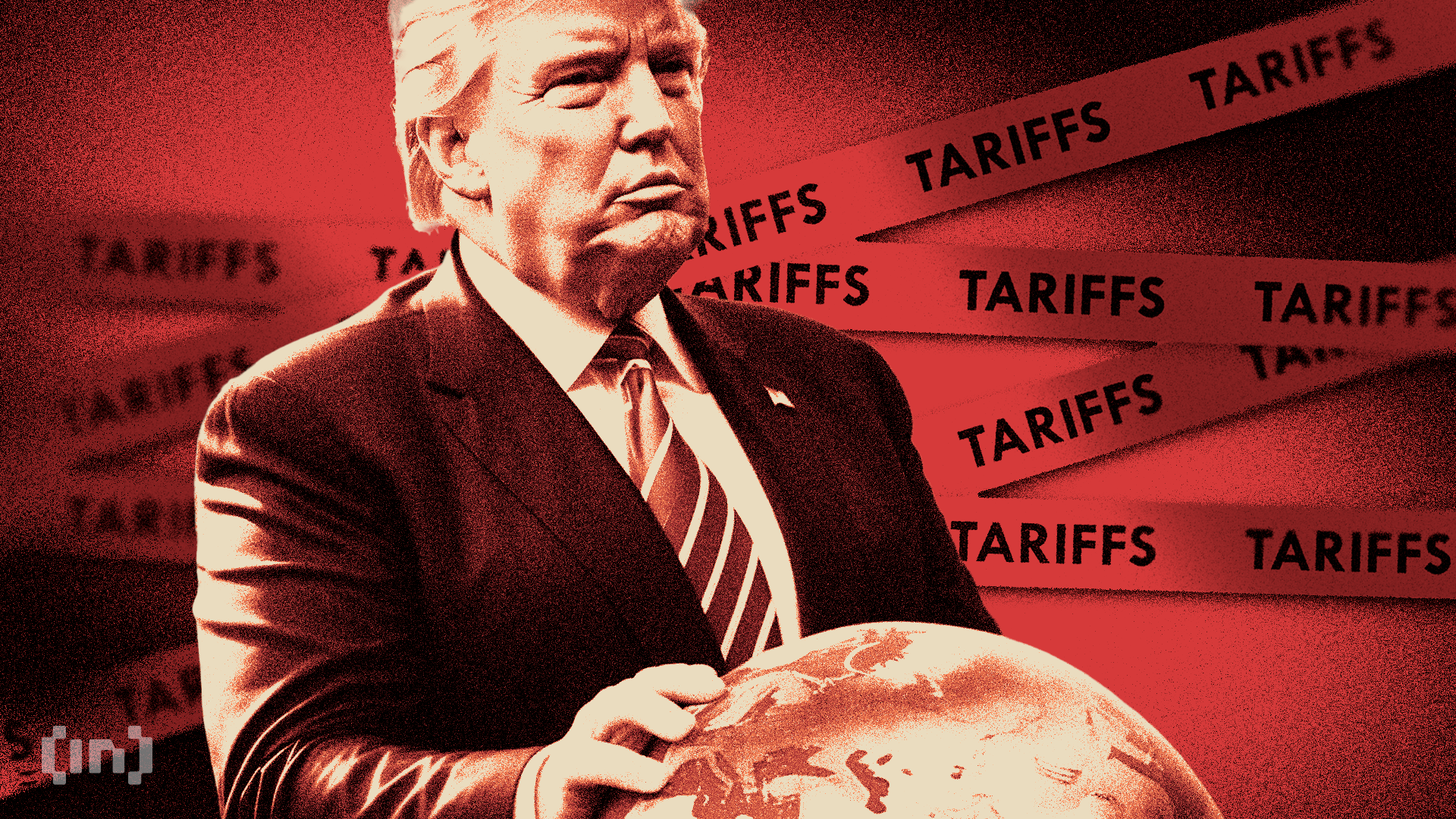
On January 17, 2026, US President Trump announced a sweeping 10% tariff on key European nations, including Denmark, Germany, France, and the UK. The tariffs, slated to increase to 25% by June 1, remain in effect until the US secures the acquisition of Greenland—a controversial proposition sparking significant geopolitical unrest.
In response, the European Union promised solidarity with Denmark and signaled a forceful countermeasure, potentially introducing tariffs worth €93 billion ($107.71 billion) or restricting major American corporations’ access to European markets. These developments have injected uncertainty into global trade, impacting both traditional and digital markets.
Gold: The Resilient Safe-Haven Asset
As geopolitical tensions soared, gold reaffirmed its status as a reliable safe haven. Reaching an all-time high of $4,690/oz in early Asian trading, gold’s rally underscores investor confidence in its enduring value during times of economic instability. Silver followed suit, breaking records with a surge above $94/oz.
If you’re looking to diversify your portfolio with precious metals, consider exploring leading gold investment platforms that offer secure storage and easy access to physical gold.
Bitcoin Struggles Amid Volatility
While gold thrived, Bitcoin saw a sharp decline, slipping below the $95,000 mark to trade at $92,574—a 2.67% drop over the past 24 hours. This downturn highlights Bitcoin’s ongoing struggle to solidify its “digital gold” narrative during economic turmoil, as it remains closely tied to broader risk-market sentiment.
Data revealed over $864 million in liquidations across the cryptocurrency market, with long positions bearing the brunt of the fallout. Analysts note that Bitcoin’s slow reaction to the geopolitical news reflects a pattern of risk-asset behavior rather than safe-haven demand.
Experts Divided on the Future of Bitcoin
Market experts remain polarized on Bitcoin’s long-term performance. While some anticipate Bitcoin regaining momentum and aligning with gold’s trajectory, others point to its failure to match gold’s consistent gains as a warning for further market corrections. Bloomberg’s Mike McGlone predicts that Bitcoin’s value relative to gold will continue declining, while veteran analyst Peter Brandt argues that physical commodities like gold will remain the go-to wealth store.
For investors hedging against market volatility, innovative trading platforms like CoinMarketX provide enhanced security and advanced tools to navigate turbulent times in the cryptocurrency sector.
What Lies Ahead?
The unfolding trade tensions between the US and the EU could significantly shape market trajectories in the coming months. As gold strengthens its position as the ultimate safe-haven asset, Bitcoin must navigate a volatile landscape and prove its resilience during global economic uncertainty. Whether Bitcoin can recover and bridge the gap or gold continues as the undisputed leader remains one of the most intriguing questions for investors in 2026.
Stay ahead of market trends and make informed decisions in this dynamic fiscal environment. Whether you’re a seasoned investor or just stepping into the world of finance, understanding these shifts is key to safeguarding your investments.