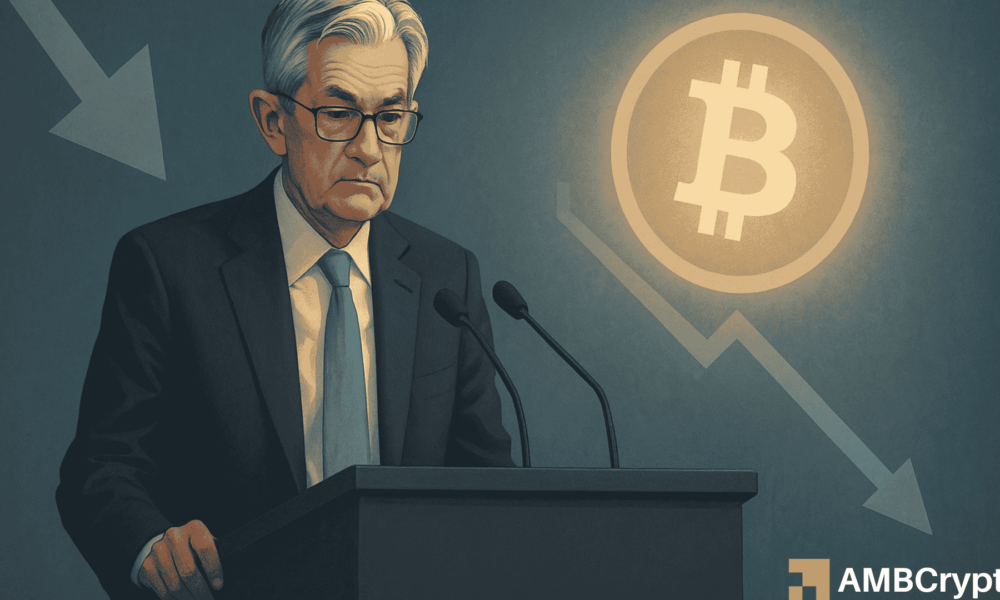
The Federal Reserve, under the leadership of Chair Jerome Powell, recently announced plans to purchase $40 billion worth of Treasury bills, signaling significant changes in the economic landscape. This decision came on the heels of the Fed’s first interest rate cut in the ongoing cycle, marking a pivotal moment for labor markets, inflation, and broader financial conditions.
Understanding the Federal Reserve’s Actions
In a recent press conference, Powell highlighted the rising risks in the labor market and addressed the Fed’s ongoing approach to inflation. While goods inflation has seen a slight uptick, Powell attributed this to short-term tariff pass-throughs rather than signs of deeper economic overheating. In his words, these shifts represent “one-time changes in price levels.”
This statement underscores the Federal Reserve’s commitment to continued disinflation, suggesting that further rate cuts may be on the horizon if labor conditions deteriorate. Powell emphasized vulnerability in the labor market, with slower job gains and reduced wage growth pointing to a cooling demand for labor — a noticeable shift from the previous inflation-first focus in policy decisions.
$40 Billion Treasury Bill Purchases: What It Means
One of the most significant announcements involved the Federal Reserve’s decision to purchase Treasury bills to maintain “ample reserves” in the financial system. Although Powell clarified that these purchases do not constitute quantitative easing (QE), their mechanics remain similar, injecting liquidity into the market. The initial phase of this plan involves $40 billion worth of purchases in the first month alone, a move that could significantly impact both traditional and emerging markets, including cryptocurrencies.
For investors, this decision promotes easier financial conditions, setting the stage for increased appetite for risk assets like Bitcoin and other digital currencies. Markets have historically reacted positively to early-stage easing cycles, as liquidity refreshes and institutions re-enter higher-beta assets. By signaling stable long-term inflation expectations and providing flexibility to support employment, the Federal Reserve has fostered an environment conducive to market optimism.
The Implications for Cryptocurrency Markets
For crypto enthusiasts and investors, this announcement provides a beacon of hope. Powell’s assurances of market stability and potential future rate cuts create conditions favorable to increased investment in digital assets. Bitcoin, Ethereum, and other cryptocurrencies thrive in environments where liquidity improves — a scenario likely to unfold with the Fed’s new purchase plan.
If trends such as easing inflation and weakening labor markets continue, crypto markets could see an influx of capital. Historically, Bitcoin and other digital currencies have benefited from these early liquidity gains, positioning them as attractive options for investors seeking higher returns in the coming months.
How to Capitalize on Emerging Opportunities
With financial conditions poised to improve, now is the perfect time to assess your investment portfolio. Consider exploring the evolving cryptocurrency market by investing in trusted options such as Bitcoin via Coinbase, a leading platform for digital asset trading. Diversifying into crypto early in the easing cycle can help you capitalize on the anticipated growth in this sector.
The Federal Reserve’s recent shift highlights its commitment to supporting a stable economic recovery. By understanding the implications of these policy moves and capitalizing on the opportunities they create, investors can position themselves for long-term growth in both traditional and emerging markets.