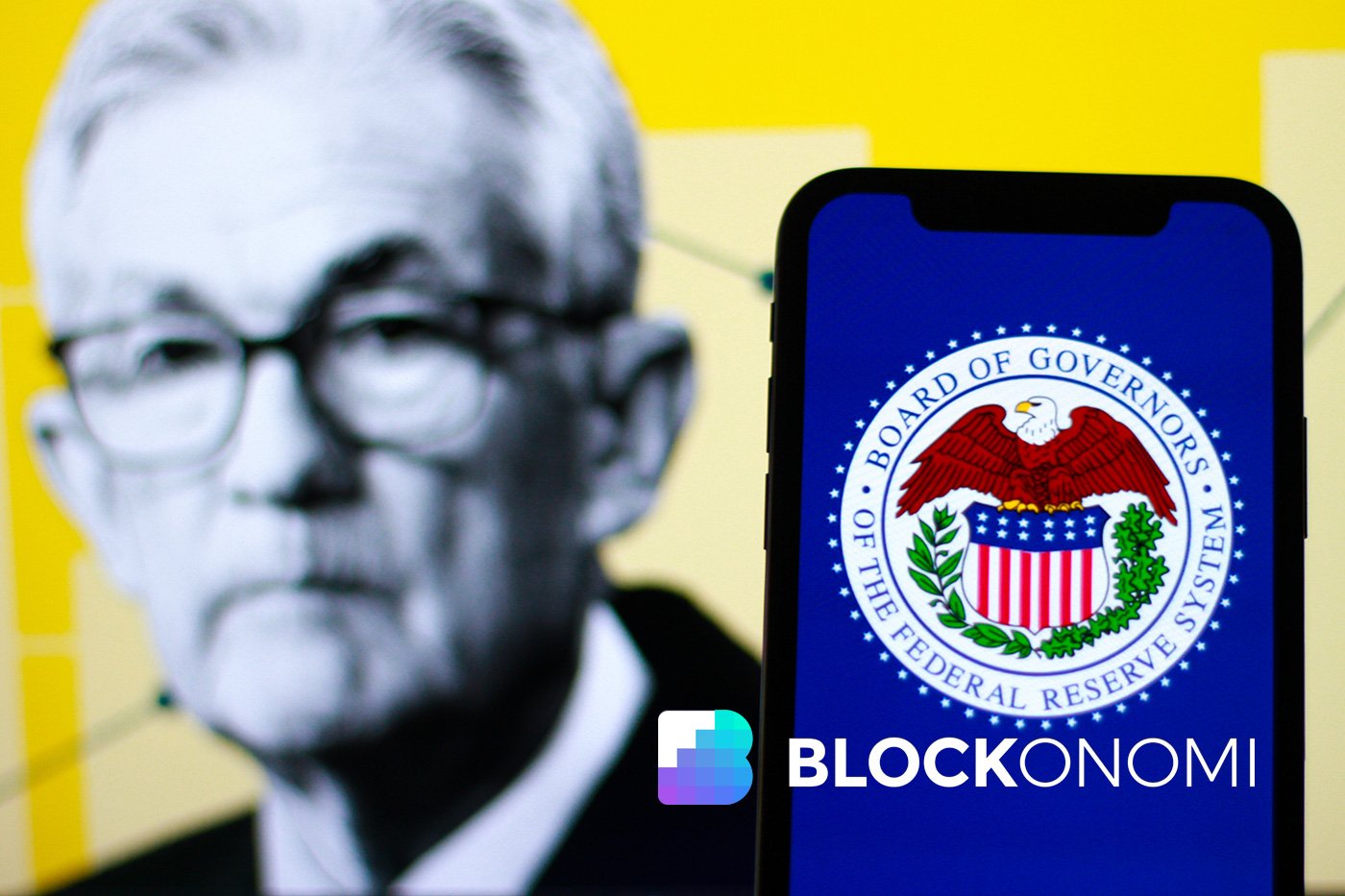
The Federal Reserve has made a notable shift in its monetary policy, marking the definitive end of its rate-hike cycle. At its latest meeting, the Fed maintained interest rates at 3.5% to 3.75%, with Chair Jerome Powell explicitly stating that “a rate hike is not anyone’s base case.” This pivot is a signal of stabilization in the central bank’s approach to handling inflation and economic uncertainty.
What Does This Mean for Monetary Policy?
The Federal Open Market Committee (FOMC) delivered a decisive 10-2 vote, with two members favoring rate cuts but none advocating for hikes. Powell emphasized that while inflation remains elevated, much of the excess price pressures are attributable to tariffs rather than intrinsic demand. According to him, core PCE inflation—when tariff effects are excluded—is running just slightly above the Fed’s 2% target.
The Fed forecasts that tariff-driven inflation will peak by mid-2026 before eventually declining. This provides room to potentially ease policy conditions, as the current stance is already restrictive enough to manage inflation concerns.
Focusing on Timing of Rate Cuts
With the tightening cycle concluded, the Fed’s attention has shifted to determining the appropriate timing for rate cuts. Powell clarified, “no decisions have been made about future cuts,” and any monetary adjustments will proceed on a meeting-by-meeting basis. He also dismissed the possibility of future hikes, underlining the Fed’s commitment to neutrality or gradual easing.
Economic Resilience and Stabilization
The U.S. economy continues to demonstrate remarkable resilience despite earlier expectations. Powell noted, “the economy has once again surprised with its strength,” as unemployment levels stabilize and broader financial conditions begin to ease. The Fed views its current policy position as adequately restrictive and does not foresee additional moves toward tightening.
Implications for Investors
Investors are now preparing for an eventual easing cycle. Markets have already shifted their focus, anticipating when rate cuts might commence. This environment makes it an opportune time to explore alternative investment options, such as gold and technology-focused stocks, as both can thrive in periods of monetary easing and economic shifts.
If you’re looking for safe and effective ways to navigate the economic landscape, consider investing in gold-backed securities or innovative AI technologies that offer growth potential. For example, you can explore the AmazonBasics Portable Safe to secure your physical gold or other valuables while preparing for an evolving economic climate.
Takeaways From Fed Chair Powell’s Comments
- Rate hikes off the table: Tightening is officially over, as confirmed by Powell and the committee members.
- Focus on tariffs: Tariffs are considered a significant contributor to inflation, but these effects are expected to subside in the coming years.
- Economic stability: The Fed views the U.S. economy as fundamentally stable, with no need for further restrictive policies.
As the Federal Reserve shifts its focus, staying informed and adopting forward-looking financial strategies will help you make sound decisions in this evolving economic environment. Explore top-performing stocks or consider diversifying with assets like gold and innovative technologies to prepare for the future.