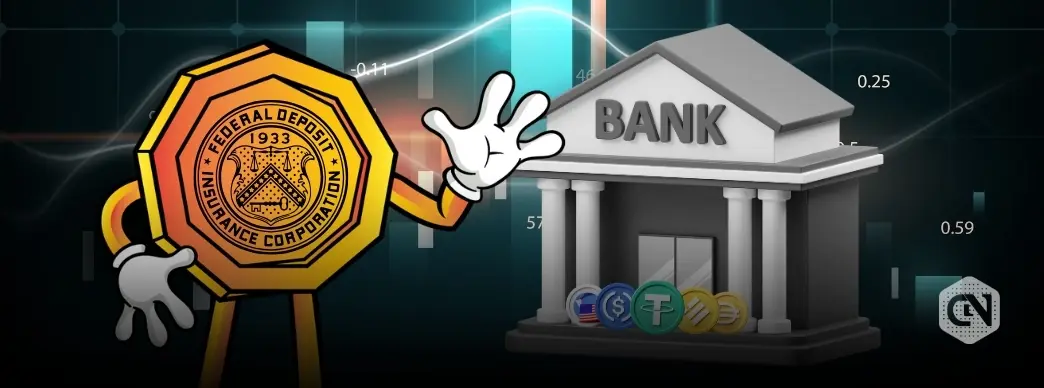
FDIC Proposes Stablecoin Framework Under GENIUS Act
On December 16, the U.S. Federal Deposit Insurance Corporation (FDIC) unveiled its first proposed rulemaking to outline a clear framework for banks looking to issue payment stablecoins. This important step stems from the recently signed GENIUS Act, providing much-needed transparency for financial institutions and setting a new precedent in the cryptocurrency market.
Streamlined Path for Stablecoin Adoption
Acting FDIC Chairman Travis Hill explained the significance of this proposal, noting that it introduces a tailored application process for FDIC-supervised banks. These institutions can apply to issue payment stablecoins via specialized subsidiaries, ensuring both adherence to regulatory standards and operational flexibility. Under this proposal, once an application is submitted, the FDIC has 30 days to start processing it and 120 days to approve or deny the request. Banks whose applications are rejected can further utilize an appeals process, adding an extra layer of fairness.
A significant feature includes provisions for early movers who had existing stablecoin projects before the GENIUS Act’s passage. These banks can apply for waivers to align their efforts within the new regulatory framework, offering them a 12-month adjustment period.
Enhanced Regulatory Clarity
This proposal also marks a major step forward in defining regulatory clarity around stablecoins. By designating the FDIC as the lead regulator for payment stablecoin subsidiaries, the government aims to streamline oversight while ensuring financial stability. The Federal Reserve and the Office of the Comptroller of the Currency (OCC) will collaborate on related regulatory efforts, including licensing and prudential standards.
In early 2026, additional rules regarding capital, liquidity, and reserves backing stablecoins are expected. These prudential standards will play a vital role in shaping the future of the stablecoin landscape in the U.S. market.
Introducing a Product to Simplify Cryptocurrency Management
For those exploring the world of cryptocurrency investments, tools like the Ledger Nano X offer a secure and user-friendly way to manage your digital assets. This hardware wallet ensures top-level security for your holdings, making it an ideal companion for serious investors.
Broader Implications and Delays in Crypto Regulation
While the FDIC’s progress on stablecoin regulation is promising, broader efforts to create comprehensive cryptocurrency legislation are facing delays. On the same day, the Senate Banking Committee postponed the landmark Digital Asset Market CLARITY Act until 2026. This bill, anticipated to resolve long-pending disputes and outline clear roles for entities like the SEC and CFTC, represents the next critical step in crypto regulation.
Despite this setback, the FDIC’s stablecoin rule signals substantial progress in creating a safer and more structured digital financial ecosystem. As stablecoins continue to grow in prominence, these regulations are expected to provide a critical roadmap for institutional adoption.
Conclusion
The FDIC’s proposed rules under the GENIUS Act set a positive tone for the evolving stablecoin market. By establishing formal guidelines and streamlining the application process, banks and financial institutions now have a clearer path forward. With additional prudential standards expected in 2026, the future of stablecoins—and their integration into traditional banking—brims with potential.