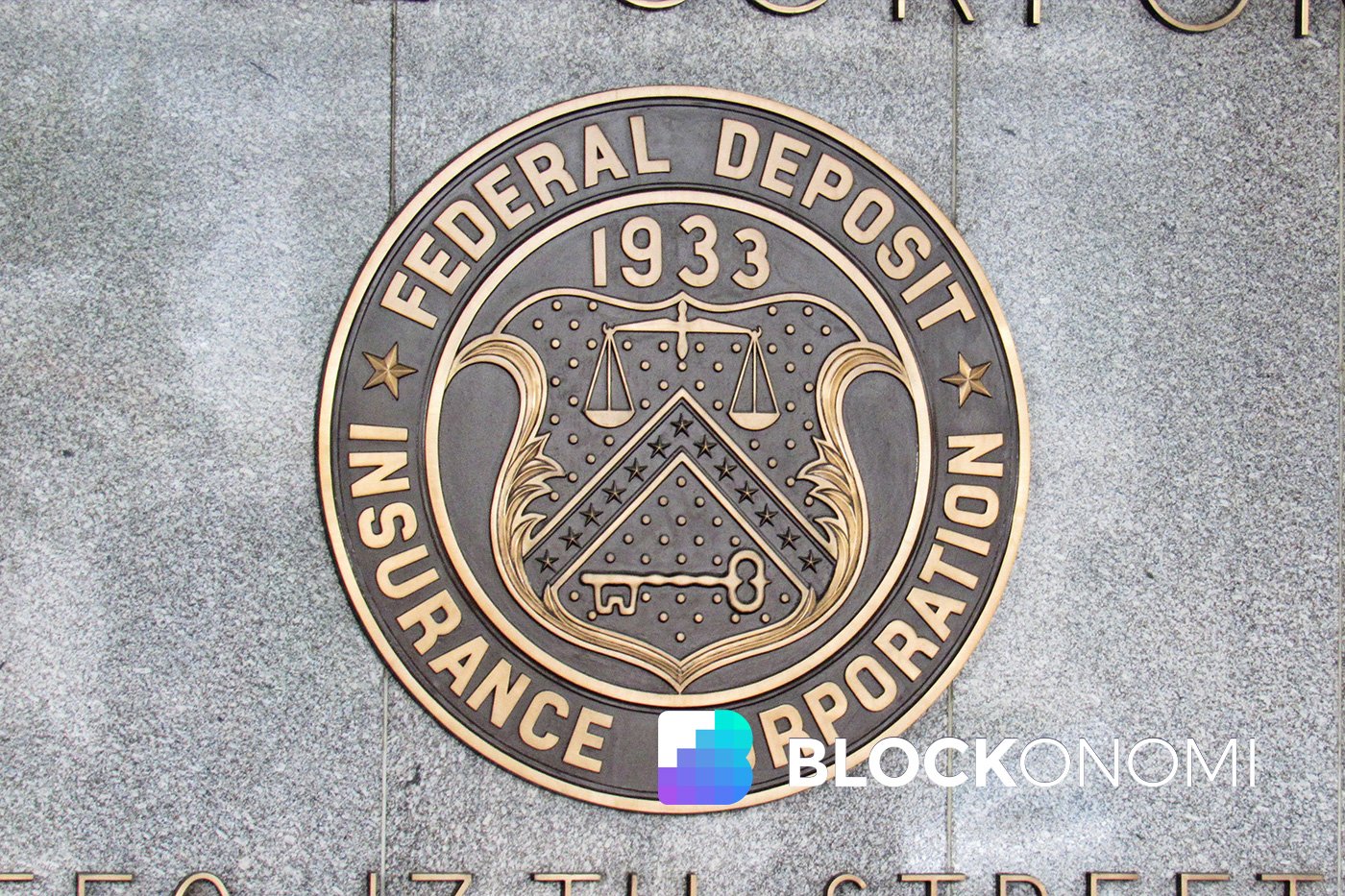
The U.S. Federal Deposit Insurance Corporation (FDIC) is preparing to unveil its first draft rules for stablecoin issuers, signifying a major step toward federal regulation of digital assets. As stablecoins gain more prominence in the financial ecosystem, these guidelines will play an essential role in shaping the industry’s future.
FDIC Prepares New Rules for Stablecoin Issuers
Acting under the recently passed GENIUS Act, the FDIC is set to draft a framework that will standardize how stablecoin issuers can apply for federal supervision. This process will focus on critical areas such as capital adequacy, liquidity standards, and reserve management to ensure financial stability in the emerging digital currency market.
According to Acting FDIC Chairman Travis Hill, the guideline document will be delivered to the House Financial Services Committee by the end of the month. Public feedback will also be sought, allowing industry players and consumers to shape the final draft. These updates are pivotal as they represent one of the first concrete federal frameworks targeting stablecoins.
Understanding Key Areas of the Proposed Guidelines
Stablecoin issuers will need to adhere to strict standards to qualify for federal oversight. The FDIC aims to address the following key elements:
- Capital Requirements: Companies must maintain substantial reserves to support their issued digital tokens.
- Liquidity Management: Stablecoin issuers will face new liquidity rules to ensure user funds are always accessible.
- Reserve Transparency: Issuers may be required to disclose detailed reserve holdings for added consumer protection.
In addition to these stablecoin guidelines, the FDIC is drafting separate rules for tokenized deposits, following recommendations from the President’s Working Group on Financial Markets. Tokenized deposits are digital representations of traditional deposits, representing yet another innovation in the rapidly evolving blockchain space.
Collaborative Regulation and Future Impact
This regulatory effort will not be limited to the FDIC. The Federal Reserve and the Commodity Futures Trading Commission (CFTC) are actively contributing to the creation of broader regulations surrounding digital assets. Notably, the CFTC has already launched a pilot program allowing stablecoins to be used within U.S. derivatives markets.
The GENIUS Act aims to provide clarity and ensure financial stability in the growing field of stablecoins, addressing an urgent need for regulation in a largely decentralized and unregulated industry. Federal oversight may not only foster stability but also boost consumer confidence and attract institutional investment into the sector.
Why This Matters to You
For consumers and investors, this new wave of regulation provides a clearer path forward for stablecoins and tokenized banking products. By establishing robust standards, federal authorities aim to make these digital assets safer and more transparent.
If you’re exploring cryptocurrency or blockchain investments, platforms such as Coinbase offer beginner-friendly access to stablecoins and other digital assets. Start your journey into the world of stablecoins with trusted providers today.
Conclusion
The forthcoming FDIC rules represent an important milestone in the crypto industry’s journey toward legitimacy and mass adoption. As the public comment period unfolds, stakeholders will have the chance to influence how stablecoins and tokenized deposits are governed at a federal level. Stay tuned for further updates as more details emerge.