Ethereum’s Bold Move to Reclaim Its Core Values
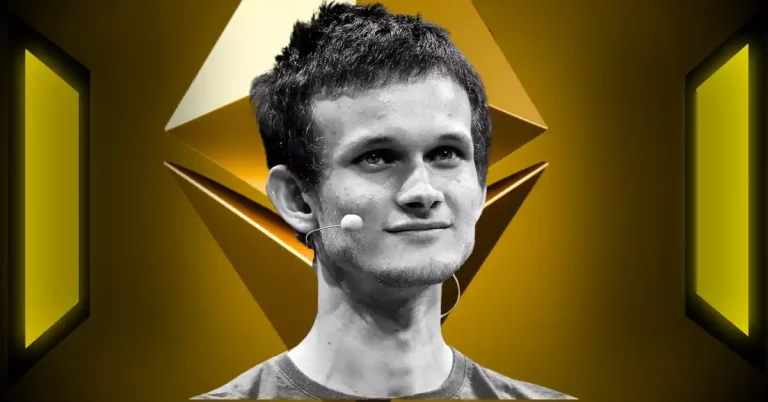
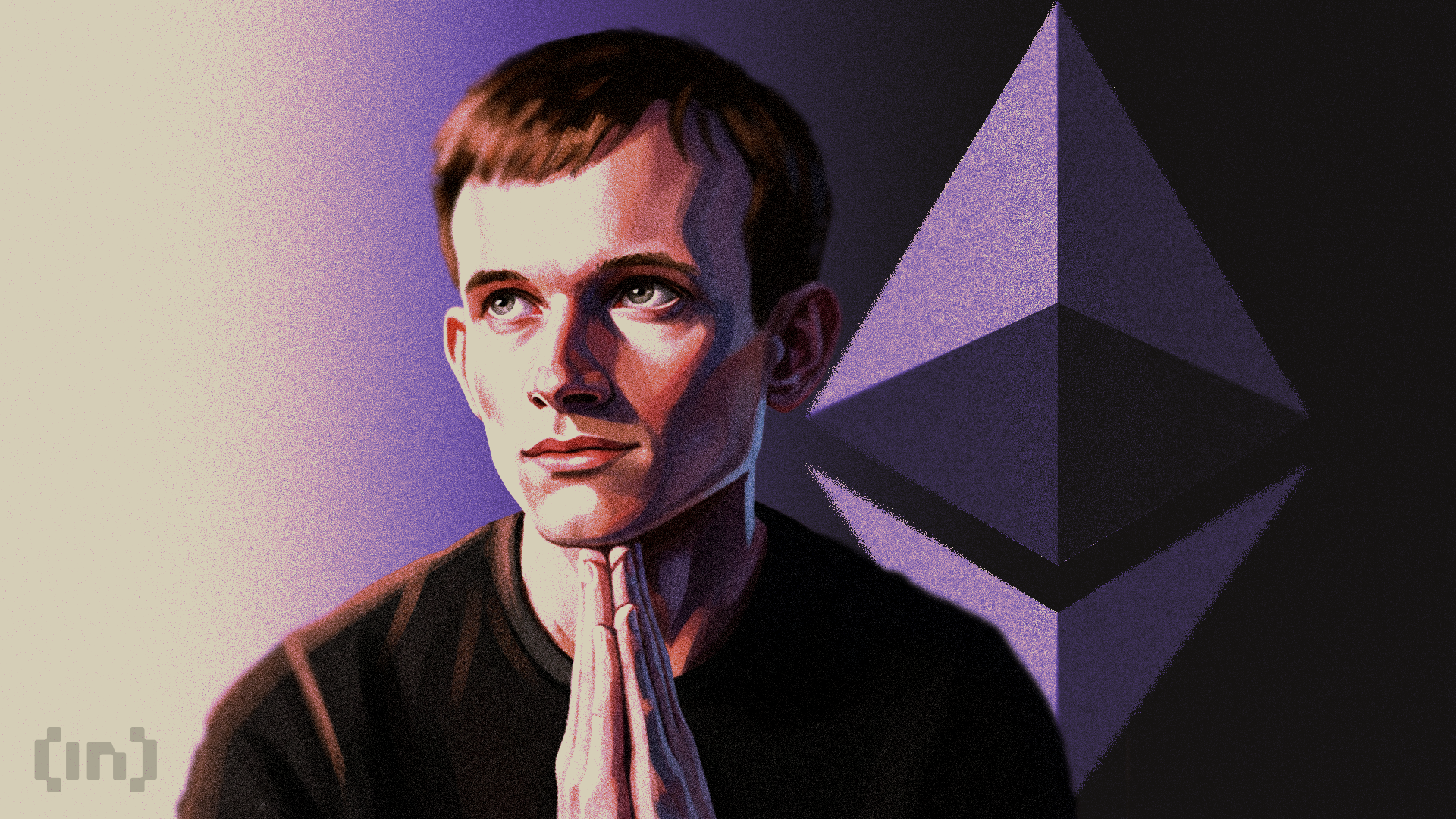
Ethereum co-founder Vitalik Buterin has revealed a groundbreaking technical roadmap to address what he termed a decade of “backsliding” on decentralization. Speaking in January 2026, Buterin set the stage for a transformation designed to emphasize self-sovereignty and trustless interactions, two foundational principles that have been overshadowed by the network’s focus on scalability in recent years.
What Went Wrong: The Centralization Compromise
According to Buterin, Ethereum’s current architecture increasingly relies on centralized infrastructure, such as trusted servers and Remote Procedure Calls (RPCs), which track and verify transactions. This dependency on third-party data providers like Infura and Alchemy undermines the blockchain’s hallmark promise of decentralization.
The result? Users find themselves at the mercy of centralized gateways, risking exposure to data breaches and limitations on true ownership. This reliance, Buterin says, is a fundamental issue that Ethereum must overcome to reclaim its place as a decentralized ecosystem.
The 2026 Roadmap for True Decentralization
The newly proposed roadmap outlines steps to democratize Ethereum’s infrastructure. Among the flagship technologies prioritized are Helios and Zero-Knowledge Ethereum Virtual Machines (ZK-EVMs). These innovations aim to bring
“full node” functionality to everyday users, allowing verification of blockchain data directly on personal hardware. With the integration of Bridges and Local Validation (BAL), users need no longer place blind trust in centralized services.
Furthermore, Ethereum’s developers intend to introduce advanced privacy features using cryptographic protocols like Oblivious RAM (ORAM) and Private Information Retrieval (PIR). These enable users to interact with the blockchain without revealing activity patterns to third parties, thwarting data harvesters and preserving personal privacy.
Security Enhancements for Ethereum Users
Security remains another cornerstone of Ethereum’s evolution. Social recovery wallets and time-locked transactions are being standardized to simplify fund recovery processes while eliminating the need for centralized custodians. To reduce the risk of phishing attacks, decentralized storage protocols such as IPFS are being integrated to safeguard user interfaces.
Buterin acknowledged that while substantial advancements may not arrive in Ethereum’s next few releases (including Kohaku or the subsequent hard forks), these developments form the basis of a much-needed overhaul. “It will not be easy, nor quick. But this is the path to an Ethereum ecosystem that truly deserves its position—not just as a leader, but as something even greater,” he stated.
Join the Revolution: Tools to Aid Your Ethereum Journey
If you’re a crypto enthusiast or investor looking to enhance your Ethereum experience, consider tools like MetaMask for secure wallet management. Additionally, products like Trezor’s hardware wallets offer extra layers of protection for your digital assets.
As Ethereum continues on its journey toward decentralization, these tools can help you stay ahead—whether you’re verifying blockchain data or safeguarding your earnings.
Final Thoughts: A New Era Awaits Ethereum
The 2026 agenda marks the dawn of a new era for Ethereum. By reinforcing its decentralization mission and empowering users with both technology and security, Ethereum stands poised to redefine its place in the blockchain universe. Stay tuned for the latest updates, and prepare to be part of the decentralized revolution.