Ethereum’s Vision for 2026: Fundamentals Over Speculation
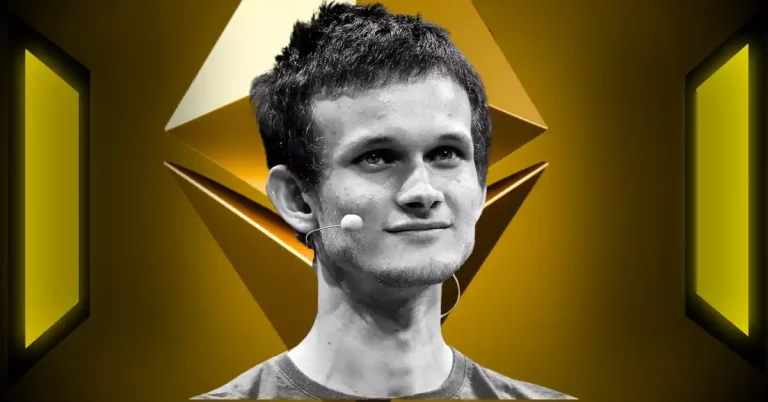
As blockchain networks evolve, Ethereum is standing out by emphasizing decentralization and real-world applications. With 2025 marking a noticeable divergence between price action and network fundamentals, Ethereum’s founder, Vitalik Buterin, has set a bold course for 2026. The question on everyone’s mind is whether Ethereum can maintain this forward momentum.
Strong Fundamentals, But At What Cost?
Despite a year of record-breaking transaction volumes and a major boost in total Real-World Assets (RWA) valued on-chain, Ethereum faced challenges in 2025. Network upgrades and its sustained dominance of DeFi—with over 50% market share—added operational strength, but declining Layer-2 (L2) network revenues pressured its financial model. A sharp 53% drop in L2 earnings translated to a $100 million shortfall in Ethereum’s overall balance sheet due to decreasing gas fees.
While higher capacity and lower costs are favorably impacting user growth, the decline in revenue brings Vitalik’s decentralization strategy under scrutiny. Can Ethereum successfully meet its roadmap objectives even as traditional income streams tighten?
Looking Ahead to 2026: Decentralization Meets Real-World Applications
Investor sentiment around Ethereum remains split. For long-term holders (LTHs), the blockchain’s commitment to decentralization, innovation, and a utility-first approach continues to inspire confidence. For short-term holders (STHs), however, the lack of immediate returns has caused discomfort, particularly given that Ethereum ended 2025 with a 10.97% ROI loss.
Despite these challenges, Ethereum seems positioned for deeper commitment by its community. Exchange reserves fell sharply by 20% to 16.6 million ETH in 2025, signaling growing interest in long-term fundamentals over speculative trading. With JP Morgan recently leveraging Ethereum for tokenization, the narrative around its real-world potential is gaining prominence.
Can Ethereum Balance Growth and Revenue?
As Ethereum enters 2026, Vitalik Buterin remains optimistic. His roadmap suggests that decentralization efforts will ultimately create value by fostering innovation, offsetting revenue challenges, and reducing market speculation. If Ethereum succeeds, it could become a cornerstone of global blockchain adoption despite its price volatility.
For those interested in tracking Ethereum’s development, tools like the Ledger Nano X hardware wallet (available here) are excellent options to safely store your ETH holdings while participating in its ecosystem evolution.