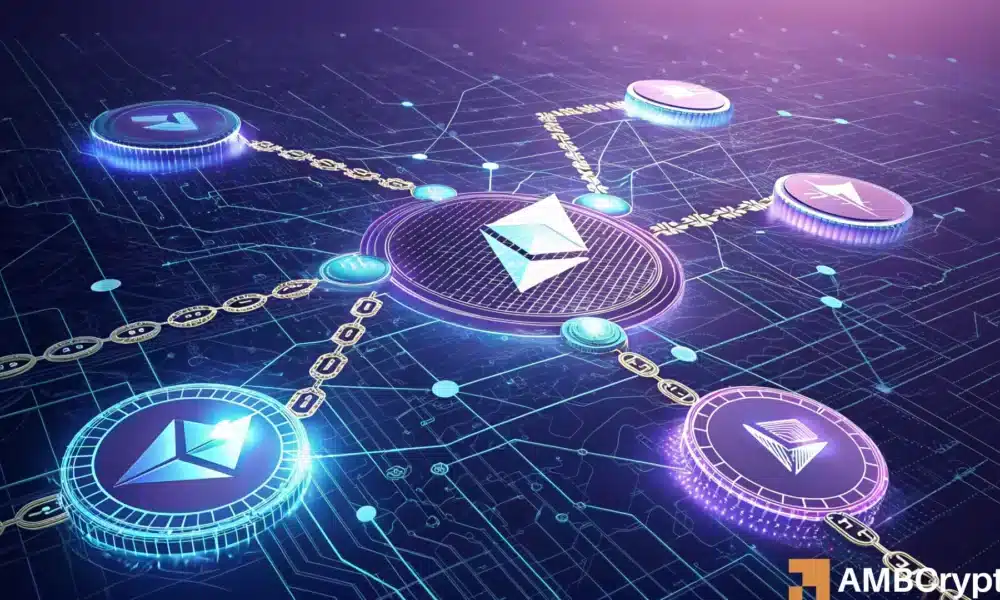
The cryptocurrency ecosystem continues to evolve, and one standout trend is the emergence of Layer-2 (L2) solutions. Networks like Polygon, Arbitrum, and Optimism are processing the majority of transactions, creating competition for Ethereum at the base layer. But with all this growth in off-chain activity, one looming question remains: Why does Ethereum [ETH] still attract significant investor confidence?
The Rise of Layer-2 Networks
Layer-2 networks are revolutionizing blockchain usability, processing between 2-4 million transactions daily. These solutions are designed to improve speed and reduce transaction costs, making them the preferred choice for users looking for efficiency. Yet Ethereum’s foundational role persists, continuing to act as the “digital land” that keeps the Web3 ecosystem running smoothly at its core.
According to data from Dune Analytics, Polygon and Arbitrum are dominating transaction activity, while smaller rollups like Linea and zkSync still hold niche roles. With so much happening on L2s, Ethereum’s technical supremacy could be questioned—but there’s more to the story.
Ethereum’s Evolving Role
Despite the shift of activity to Layer-2 solutions, Ethereum remains critical as the underpinning infrastructure of decentralized finance (DeFi) and blockchain development. It functions less as a transactional platform and more as the essential base layer for the ecosystem. Ethereum’s fee-burning mechanism under EIP-1559 is one factor that adds to its perceived “digital oil” utility, even with more transactions happening off-chain.
However, there are challenges. Ethereum recently turned inflationary, with revenue bleeding to L2 sequencer fees and rollups collecting maximum extractable value (MEV). Critics point to these developments as potential risks to ETH’s long-term strength, yet supporters argue that Ethereum will always retain its foundational importance.
Market Confidence Remains Strong
Interestingly, despite reduced activity on its base layer, Ethereum investors remain optimistic. Analysis from DeFiLlama and CryptoQuant shows Ethereum’s Total Value Locked (TVL) hovering around $66 billion, a decline compared to earlier peaks. Yet, derivatives traders still price ETH as core infrastructure rather than a speculative asset on the decline.
According to CryptoQuant CEO Ki Young Ju, Ethereum remains significantly undervalued. Their estimate pegs ETH’s Composite Fair Value at approximately $4,800, highlighting the considerable upside potential for the asset. Currently priced well below this level, ETH continues to attract believers who see it as central to the Web3 movement.
What This Means for Blockchain Users
For blockchain enthusiasts and DeFi participants, Ethereum remains a crucial player whether you are building, trading, or holding cryptocurrency assets. With Ethereum’s role acting as the digital “backbone” for L2 solutions, it exemplifies resiliency despite increasing competition.
If you’re considering diving deeper into the Ethereum ecosystem, learning about wallets that support Layer-2 solutions can be a game-changer. For instance, Metamask is a versatile wallet that supports Ethereum and L2 networks like Polygon and Arbitrum. It’s a must-have for any Web3 explorer looking to maximize usability while benefiting from Ethereum’s foundation.
Final Thoughts
Ethereum may no longer process the majority of blockchain transactions directly, but its importance as the base layer of blockchain technology cannot be discounted. With Layer-2 solutions thriving and Ethereum evolving as critical infrastructure, investors and developers alike have solid reasons to stay engaged with ETH. As the ecosystem continues to advance, Ethereum’s role as a billion-dollar bet remains undisputed in the Web3 narrative.