Ethereum’s AI-Driven Surge: What It Means for Automated Content Creators

According to a report by Blockonomi on May 8, 2026, Fundstrat’s Tom Lee declared that Ethereum (ETH) has been the best-performing asset since the onset of the latest Middle East crisis, beating the S&P 500 by approximately 20 percentage points and targeting a $60,000 price. The key driver, as Lee highlighted at Paris Blockchain Week 2026, is not just traditional crypto speculation but the explosive growth of “Agentic AI”—autonomous AI agents that require decentralized infrastructure for operation, identity, and payments. This trend is directly fueling demand for Ethereum’s smart contract platform and tokenization capabilities. For AI content creators and publishers, this signals a pivotal shift: the convergence of AI and blockchain is creating new, data-rich verticals that demand rapid, authoritative content. The narrative is no longer just about price; it’s about the underlying technological adoption by the most advanced AI systems.
Decoding the Agentic AI and Tokenization Boom

The core of Tom Lee’s analysis at Paris Blockchain Week 2026 centers on “Agentic AI.” Unlike static AI models, agentic AI refers to autonomous, goal-driven software agents that can perform complex tasks across the internet—making purchases, negotiating services, and managing digital assets. These agents cannot rely on centralized, permissioned systems; they require a neutral, global settlement layer for trustless transactions and verifiable identity. Ethereum, with its established smart contract ecosystem and robust decentralization, is emerging as the default infrastructure layer for this new AI paradigm.
Concurrently, the “tokenization” of real-world assets (RWAs)—from real estate and treasury bonds to intellectual property—is accelerating. Financial giants like BlackRock are piloting tokenized funds on Ethereum. This creates a flywheel effect: Agentic AI needs tokenized assets to interact with, and the proliferation of tokenized assets demands automated, intelligent management. This synergy is generating unprecedented on-chain activity and value accrual to the Ethereum network, which is reflected in its market performance. For content strategists, this represents a deep well of technical and financial topics, from explaining how AI agents use smart contracts to analyzing the metrics of Ethereum’s network growth.
Impact for AI Content Creators and Automated Publishers
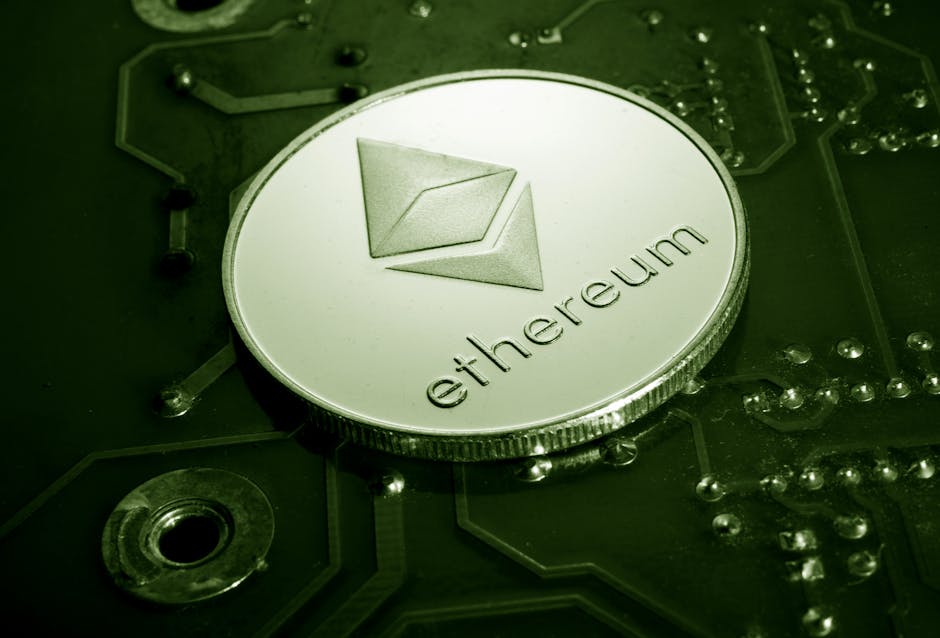
This market shift has profound implications for anyone using AI to create or manage content.
1. New High-Demand Content Verticals: The intersection of AI and blockchain is a complex, fast-moving niche. Audiences are hungry for explanations of agentic AI, tokenization mechanics, and Ethereum’s technical roadmap (like the ongoing “Verge” and “Purge” upgrades). AI content tools must be fed with the latest, most accurate information on these topics to produce valuable articles. This is a prime opportunity for automated blogs to establish authority in a growing field before it becomes oversaturated.
2. The Need for Speed and Accuracy: In volatile, news-driven markets like crypto, publishing speed is a competitive advantage. AI-driven content automation platforms like EasyAuthor.ai can monitor data sources (e.g., CoinGecko for prices, Dune Analytics for on-chain metrics), ingest breaking news from events like Paris Blockchain Week, and generate fact-based articles within minutes. However, accuracy is paramount. AI outputs must be rigorously fact-checked against primary sources—such as direct quotes from Tom Lee’s presentation or Ethereum Foundation announcements—to maintain credibility.
3. SEO Opportunities in a Converging Landscape: Search trends will evolve with the technology. Keywords are expanding from “Ethereum price prediction” to include long-tail terms like “how do AI agents use Ethereum,” “tokenization for beginners,” and “Ethereum vs. Solana for AI.” AI content systems must be configured to target these emerging semantic clusters. Furthermore, as major media covers the trend, creating definitive, in-depth guides (“The 2026 Guide to AI on Blockchain”) can capture significant search traffic and backlinks.
Practical Tips for Covering AI-Blockchain Trends

To effectively leverage AI for content in this space, implement these actionable strategies:
1. Source and Data Integration: Configure your AI content pipeline with premium, real-time data feeds. Use tools like:
- Cryptocurrency APIs: CoinMarketCap, CoinGecko, or TradingView for price and performance data.
- On-Chain Analytics: Dune Analytics or Nansen for data on network activity, tokenization volumes, and agentic AI contract interactions.
- News Aggregators: Configure Google Alerts for “Agentic AI” and “tokenization” or use a service like CryptoPanic to catch breaking news.
Feed this structured data into your AI writing assistant to ground articles in hard numbers.
2. Structured Content Frameworks: Move beyond simple news rewrites. Use AI to generate comprehensive content structures:
- Explainer Posts: “What is Agentic AI? A 2026 Guide for Developers.”
- Comparison Articles: “Ethereum vs. Solana vs. Avalanche: Which Blockchain is Winning the AI Race?”
- Technical Analyses: “How The ERC-7621 Token Standard is Fueling the RWA Boom.”
- Interview-Style Content: Use AI to synthesize quotes from key figures like Tom Lee, Vitalik Buterin, or AI researchers into Q&A formats.
3. Human-in-the-Loop Editorial Rigor: Automation does not mean abdication. Establish a clear editorial checklist for all AI-generated content on financial/tech topics:
- Fact-Check: Verify all statistics, dates, and quotes against the original source (e.g., the Blockonomi article or a Paris Blockchain Week live stream).
- Contextualize: Ensure the AI explains why a performance metric or technical development matters to the reader.
- Disclose: Maintain transparency. A brief note stating “This analysis was assisted by AI” builds trust.
- Update: Use WordPress plugins or custom scripts to flag time-sensitive articles for review as markets and technologies evolve.
4. Optimize for the AI Search Landscape: Google’s Search Generative Experience (SGE) and AI overviews will prioritize authoritative, well-structured content. Ensure your articles:
- Use clear schema markup (like the JSON-LD included below) to help search engines understand the content.
- Answer likely user questions (“What is Ethereum’s price target?”, “How does tokenization work?”) directly in H2 or H3 subheadings.
- Include relevant, updated keywords such as Agentic AI 2026, Ethereum tokenization, RWA blockchain, and Tom Lee ETH forecast.
The Future of Automated Content in a Tokenized World

The rise of Ethereum as a backbone for Agentic AI and tokenized assets is more than a financial story; it’s a content creation mandate. The narrative is shifting from pure speculation to fundamental utility, creating a sustained need for explanatory journalism and real-time analysis. AI-powered content platforms are uniquely positioned to meet this demand at scale, but success hinges on strategic source integration, editorial oversight, and a deep understanding of the converging technologies. By automating the data gathering and initial drafting, creators can focus on high-value analysis and strategy, establishing their sites as essential resources in the burgeoning AI-blockchain economy. The next wave of content leaders will be those who use automation not just to write faster, but to understand and explain complex technological shifts faster than anyone else.