An Innovative Yet Alarming Approach to Cybersecurity Threats
In the evolving world of ransomware, a new and highly resilient tactic has emerged, leveraging blockchain technology to operate more effectively and avoid traditional disruption methods. Cybersecurity firm Group-IB recently published a report highlighting how the ransomware group DeadLock is utilizing the Polygon blockchain to enhance its attack capabilities.
What is DeadLock Ransomware?
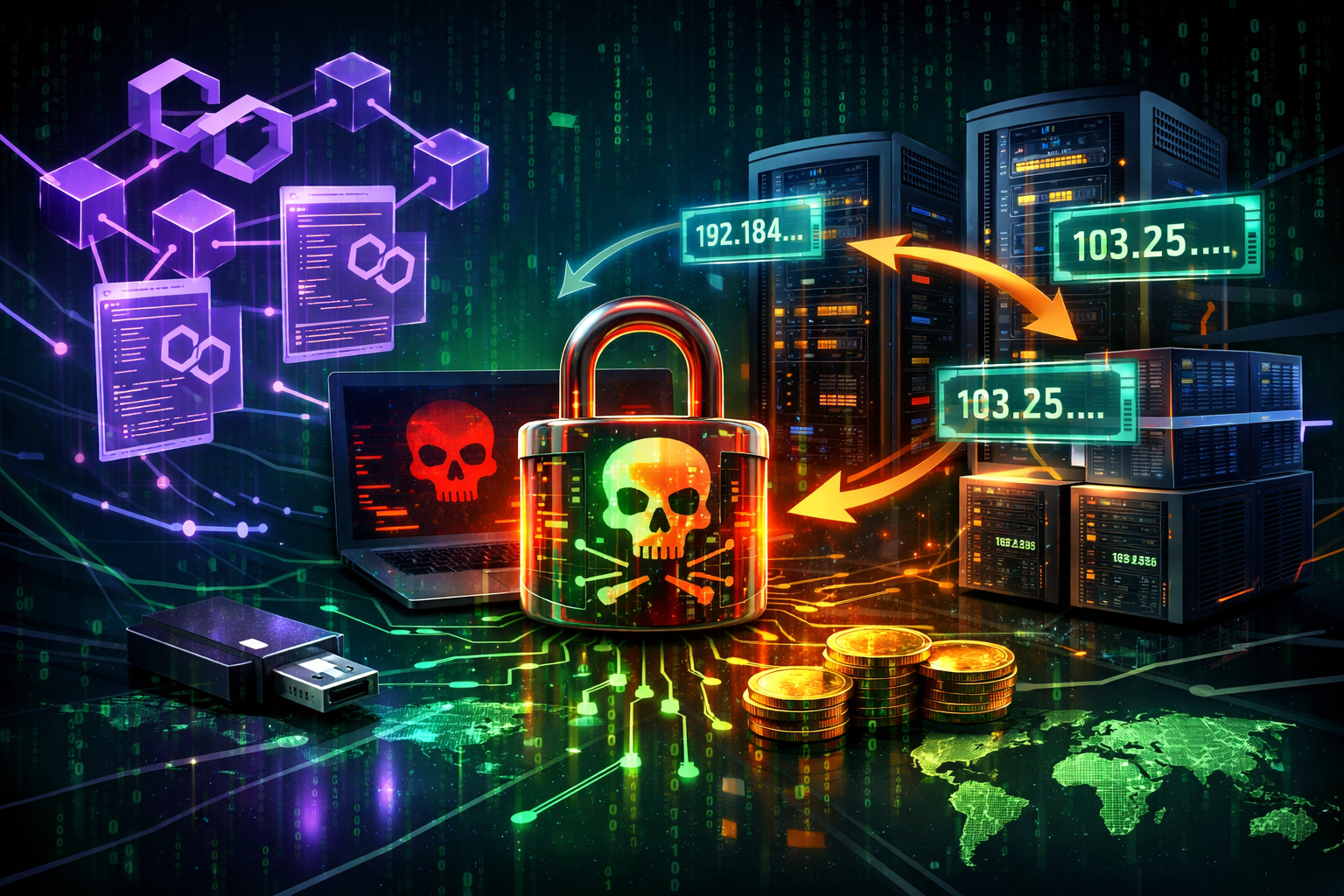
DeadLock, first observed in July 2025, has taken a low-profile approach compared to well-known ransomware operations. Unlike typical setups reliant on static command-and-control servers to maintain post-infection communication, DeadLock innovates by using Polygon’s smart contracts to store and update proxy server addresses. This ensures attackers can maintain anonymity and adaptability, even when part of their network is flagged or disrupted.
How It Works
Instead of depending on traditional hosting infrastructure, DeadLock queries a specific smart contract deployed on the Polygon network after it encrypts a victim’s machine. This smart contract houses the latest proxy server addresses, facilitating communication. Notably, this information is stored on-chain and publicly accessible, requiring no gas fees or blockchain interactions from victims to retrieve it.
This mechanism allows attackers to update proxy addresses without modifying the ransomware itself, creating greater resilience. For defenders, this means traditional mitigation methods—such as blocking specific IPs or dismantling command servers—become ineffective. Even if a proxy address is flagged and blocked, attackers can simply update the contract with a new address, maintaining continuous operations.
Implications for Cybersecurity
Group-IB’s analysis reveals that although the campaign remains low in profile, the technical sophistication behind DeadLock is a significant cause for concern. The use of blockchain infrastructure for malicious purposes signals an evolution in ransomware tactics, one that other cybercriminal groups could replicate in the future.
What makes this approach particularly resilient is the decentralized nature of public blockchains like Polygon. With data stored across distributed nodes worldwide, removing such information becomes almost impossible. This method, although not exploiting any vulnerabilities in the blockchain itself, abuses its open and immutable characteristics to create a secure backend for attackers.
What Can Be Done?
Though DeadLock’s activity is currently limited, the potential for this method to be adopted on a larger scale remains a pressing concern. The case serves as a reminder to both blockchain developers and users that public networks, while innovative and secure, can be misused to facilitate criminal activities. Enhanced monitoring and collaboration are essential to detect and mitigate such threats effectively.
A Solution to Enhance Cybersecurity
Security professionals and companies should consider advanced endpoint protection and real-time threat detection tools to combat such sophisticated attacks. A product like Kaspersky Endpoint Security offers cutting-edge defense mechanisms against ransomware and other cyber threats, making it an ideal choice for businesses and individuals looking to secure their systems.
Conclusion
The DeadLock ransomware’s use of Polygon blockchain technology exemplifies the innovative, yet troubling, ways cyber criminals manipulate emerging technologies for malicious purposes. Although its operations remain small-scale for now, the concept showcases the future of ransomware and its potential evolution into more complex and harder-to-detect threats. Staying informed and investing in advanced security tools is no longer optional—it’s essential.