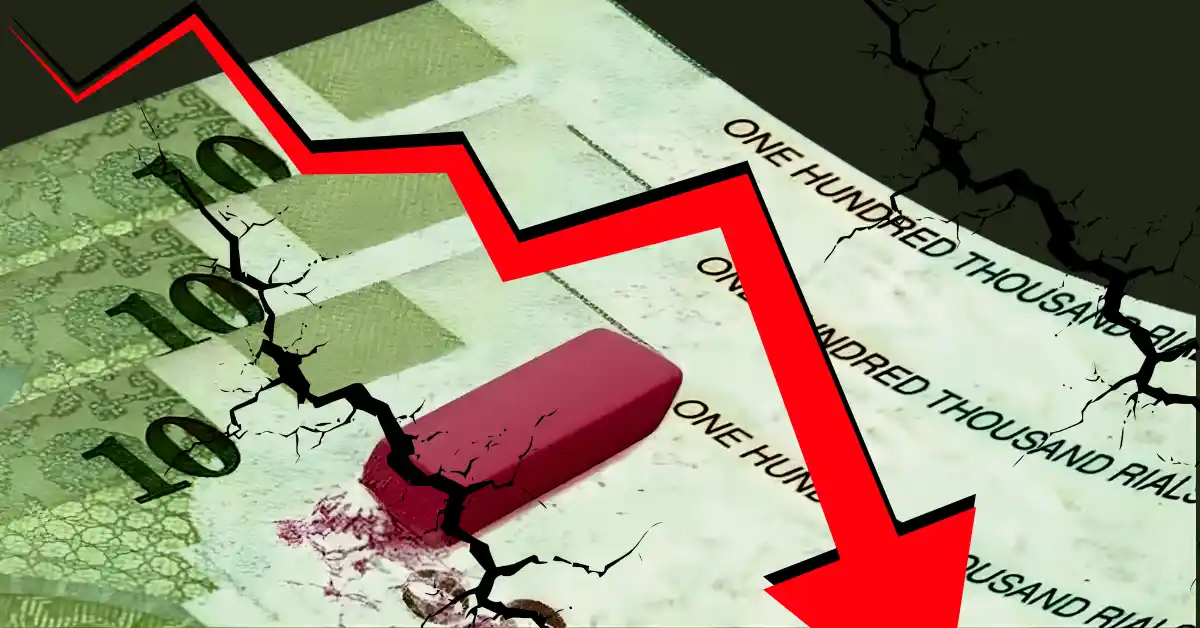
The Collapse of Iran’s Rial: A Wider Economic Discussion
The Iranian rial has plummeted to levels many describe as virtually worthless. This crisis isn’t just the result of a single event; it’s the culmination of years of high inflation, stagnant economic growth, international sanctions, and limited access to foreign currency.
What is unraveling is more significant than economics—it’s about trust in money itself. As inflation strips away the rial’s purchasing power, it has reignited debates globally about financial alternatives, including cryptocurrencies like Bitcoin and stablecoins. This shift reflects how societies react when faith in traditional fiat currencies erodes.
Economic Pressures Driving Change
For years, inflation has eroded wages in Iran. Sanctions, especially those targeting oil revenue, compounded the issue by cutting the nation off from global banking systems. Official exchange rates now feel detached from reality, leading businesses to depend on informal systems, such as dollar pricing, to survive.
Citizens are adopting defensive strategies: many convert their wages into dollars, gold, or other durable assets. Ironically, this behavior accelerates the rial’s fall, creating a dangerous feedback loop. The less confidence people have, the faster they abandon the currency. Sadly, this isn’t unique to Iran; it’s a recurring narrative in global financial history.
Bitcoin and Alternatives: A Global Perspective
When domestic currencies falter, discussions around alternatives gain traction. Iran is no exception, with people increasingly considering Bitcoin and stablecoins. While not risk-free—factors like market volatility, regulatory uncertainty, and uneven access to technology remain daunting—they provide options outside the centralized banking system.
Historically, similar patterns have appeared during other financial crises. Crypto assets gain attention as fiat systems show cracks, even if the trajectory remains uncertain. While Iran’s situation alone is unlikely to sway Bitcoin prices globally, it highlights an overarching theme: fiat currency stress pushes investors and individuals alike toward financial tools once considered fringe.
Key Lessons from Iran’s Currency Collapse
The ongoing economic struggles in Iran are reminders of how vulnerable fiat currencies are under certain pressures. The global financial community routinely observes these events to understand and predict behavioral shifts in monetary trust systems.
What’s universal is this: As trust in traditional systems weakens, people explore every available option. While not perfect, cryptocurrencies like Bitcoin spark conversations on creating more decentralized and resilient financial alternatives.
Related Product Spotlight
For those considering dabbling in Bitcoin or other crypto investments amid financial uncertainties, Trezor offers a highly secure hardware wallet to safely store digital assets. With hacking risks being a major concern, tools like Trezor help ensure your cryptocurrency stays protected.