The Centrality of Cryptocurrency in Venezuela’s Economy
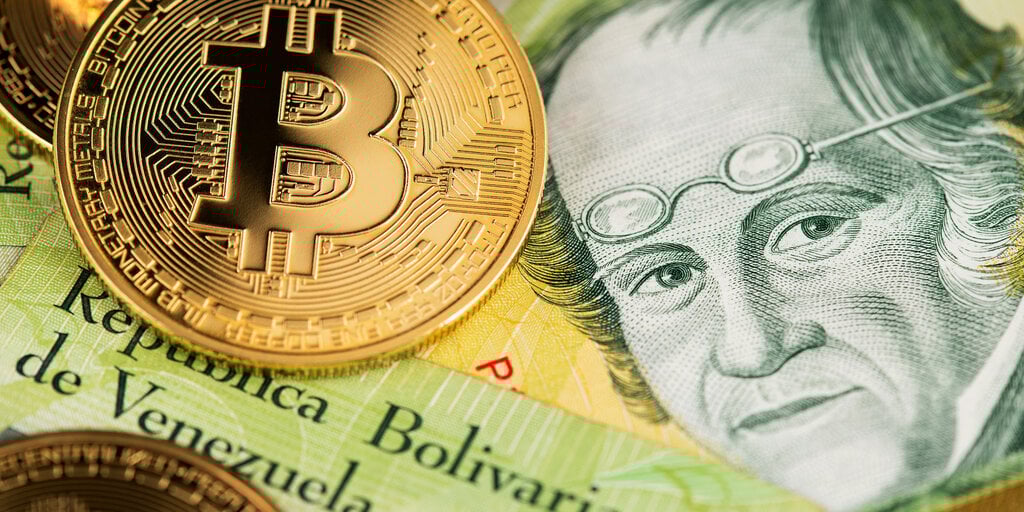
Over the past decade, Venezuela has transitioned into one of the most prominent adopters of cryptocurrency, particularly stablecoins such as Tether’s USDT. Economic turmoil, international sanctions, and the collapse of traditional financial systems have pushed Venezuelan citizens and businesses toward a more decentralized and innovative economic model. According to a recent report from TRM Labs, cryptocurrency has become an essential tool for daily transactions, albeit with significant risks on the global sanctions front.
Why Cryptocurrencies Have Gained Traction
The Venezuelan economy has been under intense strain due to hyperinflation, the devaluation of its local currency (Bolivar), and a lack of access to international banking systems caused by sanctions. Cryptocurrency offers an alternative that provides stability and liquidity, empowering citizens who would otherwise have little access to traditional financial services. Among these, USDT is widely used given its stable value against the US dollar.
The Double-Edged Sword of Cryptocurrency Dependence
TRM Labs highlights a paradox: while crypto helps Venezuelans overcome financial hardships, it also opens doors for the regime to bypass sanctions through unregulated peer-to-peer trading platforms. Such platforms operate with minimal Know Your Customer (KYC) protocols, making them an ideal tool for evading financial scrutiny. One platform alone accounts for 38% of Venezuela’s internet traffic, signaling the extent of crypto reliance in the country.
Risks of Sanctions Evasion and International Tensions
U.S. policymakers face a dilemma. On the one hand, they acknowledge the humanitarian need for cryptocurrency as a financial lifeline for Venezuelans. On the other, they aim to prevent its misuse as a means to circumvent sanctions. The intricacies of Venezuela’s crypto economy, including cross-border stablecoin flows and offshore banking hybrids, make it a challenging space to regulate. Meanwhile, the ongoing restructuring of Venezuela’s crypto regulatory body, SUNACRIP, weakens oversight and promotes opportunities for misuse.
Venezuela’s Blockchain Journey: The Petro Experiment
Venezuela was an early mover in blockchain adoption with its launch of the Petro in 2018, a cryptocurrency backed by oil and mineral reserves. However, political controversies and mismanagement rendered it a failure, leading to its discontinuation in 2024. Despite this, Venezuela’s interest in blockchain technology remains strong, further solidifying its presence in the digital finance world.
Explore Products that Empower Financial Freedom
If you’re interested in entering the world of crypto through secure and regulated means, consider Ledger Wallets. These devices provide unmatched security for storing your digital assets, ideal for navigating the evolving cryptocurrency space safely.
Conclusion
As global attention turns toward Venezuela’s unique cryptocurrency economy, its role as both a solution to financial hardships and a potential sanctions risk underscores a broader conversation about the ethics of digital assets in geopolitics. Increased international cooperation and regulation may be needed to balance humanitarian benefits with minimizing illicit activities.