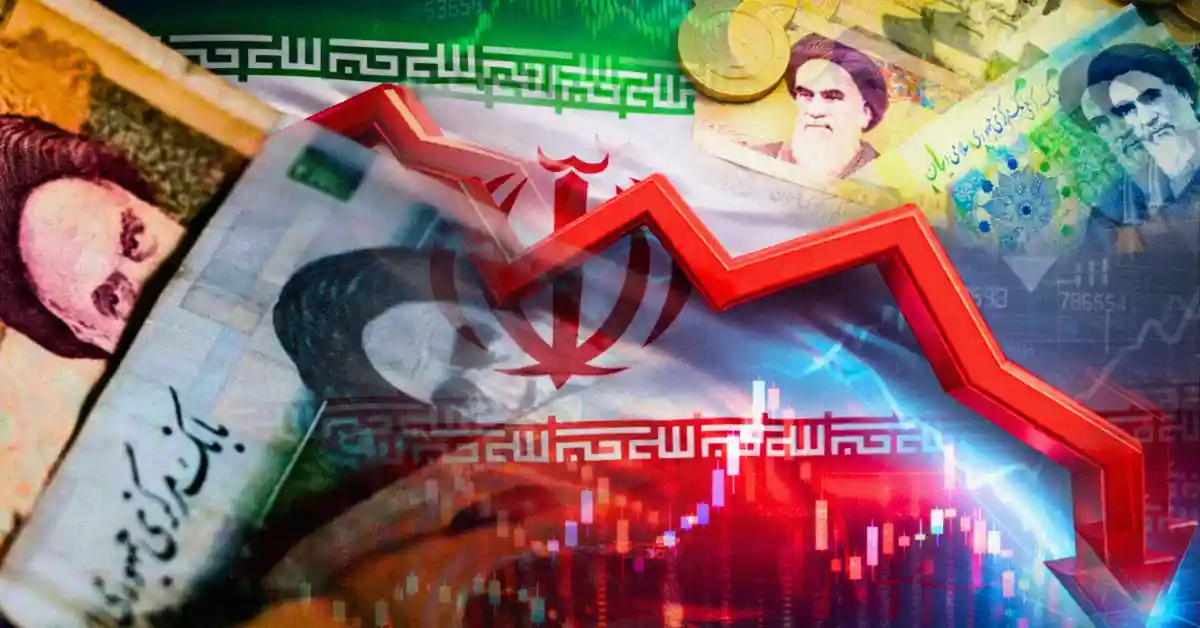
As global economic sanctions tighten around Iran, its population is increasingly turning to cryptocurrency as a viable financial solution. The sharp decline in the value of the Iranian rial and the broader economic instability have driven residents to seek alternative ways to safeguard wealth and secure returns on investment.
The Growing Popularity of Crypto in Iran
Recent data indicates that cryptocurrency adoption in Iran has surged, with an estimated transaction volume between $8 billion and $10 billion in 2024. This growing interest stems not only from individual retail investors but also from entities linked to the Iranian government. Research from Chainalysis and TRM Labs reveals a significant uptick in transactions involving Iranian wallets, highlighting a shift toward decentralized financial systems.
For many Iranians, crypto offers a way to bypass traditional financial restrictions. Whether it’s accessing foreign currency, purchasing goods internationally, or even evading sanctions, blockchain technology has become a tool for financial freedom and resilience in a challenging economic climate.
U.S. Treasury Scrutiny on Crypto Platforms
The rise in crypto activity has caught the attention of U.S. authorities. The Treasury Department is currently investigating whether some digital asset platforms have facilitated sanction evasion by state-affiliated actors in Iran. Recent action includes sanctions imposed on two UK-based crypto exchanges and Iranian financier Babak Morteza Zanjani due to their alleged ties to the Islamic Revolutionary Guard Corps (IRGC).
Ari Redbord, global head of policy at TRM Labs, points out that these investigations focus particularly on funds being moved offshore, gaining hard currency, or international purchases that circumvent restrictions. This scrutiny highlights the dual-edged nature of cryptocurrency as a tool for both legitimate financial empowerment and potential misuse by state actors.
Who is Driving Iran’s Crypto Ecosystem?
The debate around Iran’s crypto usage hinges on identifying the primary players. While TRM Labs emphasizes a significant portion of transactions are conducted by retail investors, other reports suggest the IRGC has handled an estimated $3 billion in digital assets since 2023. This dichotomy showcases the complexity of tracking and understanding cryptocurrency transactions in a nation grappling with layered economic and political challenges.
For retail investors in Iran, crypto represents an accessible and relatively secure option amid the national currency’s volatility. Platforms like Binance and KuCoin have grown in popularity despite heightened scrutiny, demonstrating that peer-to-peer and decentralized exchanges remain pivotal in this growing ecosystem.
Stay Resilient in Changing Times
Blockchain and cryptocurrency offer Iranians a beacon of hope amidst financial despair. As adoption rises, so do questions about regulation, global oversight, and the ethical implications of using decentralized tech in geopolitically sensitive regions.
If you’re keen on exploring cryptocurrencies, consider Coinbase, a leading and secure platform for trading digital assets. Whether you’re in a stable or volatile economy, platforms like these provide users with tools to learn, invest, and monitor crypto trends with ease.