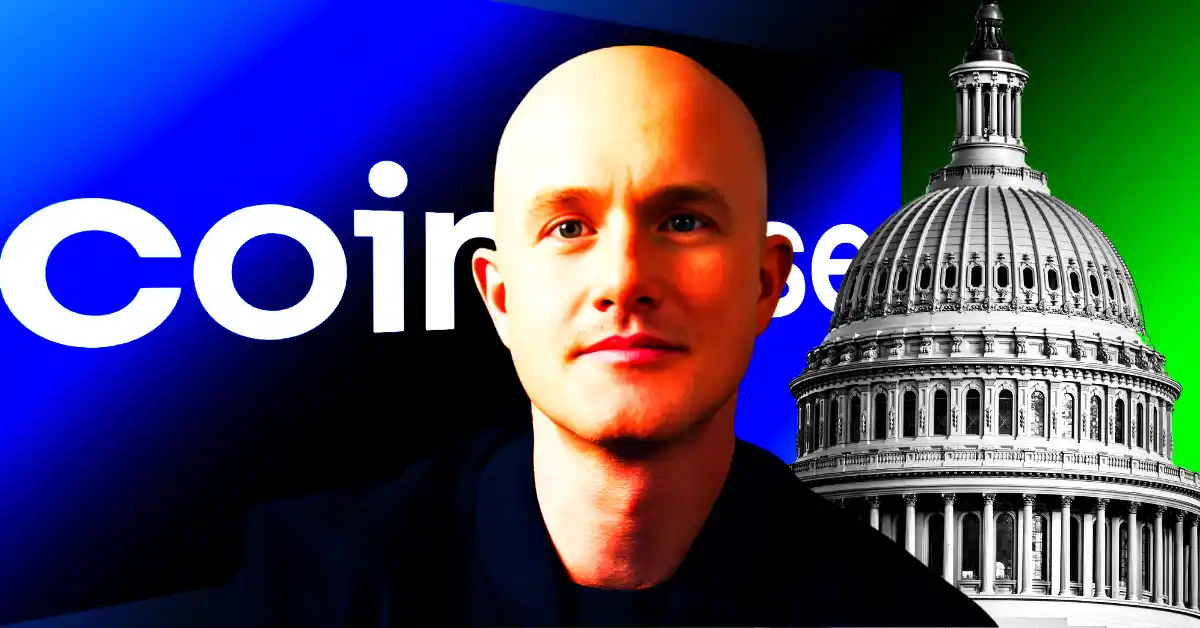
The Growing Rift Between Wall Street and Crypto Over U.S. Regulations
In a heated confrontation at the World Economic Forum in Davos, tensions between major Wall Street executives and crypto leaders took center stage, showcasing the growing divide over the future of U.S. cryptocurrency regulations. The debate shines a spotlight on the controversial topic of stablecoins and their impact on traditional banking systems.
What Sparked the Confrontation?
During a coffee meeting with former UK Prime Minister Tony Blair, Coinbase CEO Brian Armstrong was confronted by JPMorgan CEO Jamie Dimon. According to reports, Dimon accused Armstrong of being untruthful regarding public claims that banks were lobbying to undermine crypto regulation. Speaking on live TV just days before, Armstrong suggested that large financial institutions were actively trying to obstruct regulation designed to benefit the crypto market.
Other prominent banking figures echoed the sentiment. Bank of America CEO Brian Moynihan dismissed Armstrong’s arguments during a brief 30-minute meeting, stating, “If you want to be a bank, just be a bank.” Meanwhile, Wells Fargo CEO Charlie Scharf and Citigroup CEO Jane Fraser reportedly showed little willingness to engage with the Coinbase executive.
The Core Issue: Stablecoin Rewards
At the heart of the debate is the contentious issue of stablecoin rewards. Crypto firms like Coinbase currently offer users annual returns of 3.5% for holding stablecoins. This stands in stark contrast to traditional bank offerings, which provide significantly lower interest rates on checking accounts—often under 0.1%.
From the perspective of major banks, such generous payouts resemble interest-bearing accounts but bypass the stringent regulatory processes that banks must adhere to. This dynamic represents a potential threat to traditional financial institutions, as more customers could potentially migrate their funds to crypto platforms.
Armstrong, however, believes the solution lies in competition, stating that banks could raise their interest rates or develop their own stablecoins to rival crypto platforms. “The market should decide,” he argued.
A Stalled Senate Vote and Rising Tensions
Adding to the drama, the Senate Banking Committee recently delayed voting on the CLARITY Act, a bill aimed at providing a regulatory framework for crypto in the U.S. Armstrong expressed strong opposition to the draft version, calling out provisions he described as overly restrictive. He specifically criticized the inclusion of rules that would “kill rewards on stablecoins” and allow banks to sidestep competition.
In a social media post, Armstrong emphasized, “We’d rather have no bill than a bad bill.” Soon after Coinbase’s statement, the Senate Banking Committee postponed the vote, further intensifying the regulatory debate.
What’s Next for Crypto and Traditional Banking?
The White House has announced plans to bring banking and crypto leaders together to address the growing tensions. Former Trump advisor David Sacks is expected to play a significant role in the negotiations, signaling the gravity of the issue.
Looking Ahead
As the financial world grapples with balancing innovation and regulation, the clash between crypto firms and traditional banks over stablecoins highlights a broader question: How can emerging technologies coexist with established financial systems?
For individuals looking to dive into the world of cryptocurrency, platforms like Coinbase provide accessible options for buying, trading, and securely holding crypto assets. Click here to explore Coinbase and its offerings, including stablecoin rewards.
Stay informed as the debate continues to evolve, shaping the future of financial innovation.