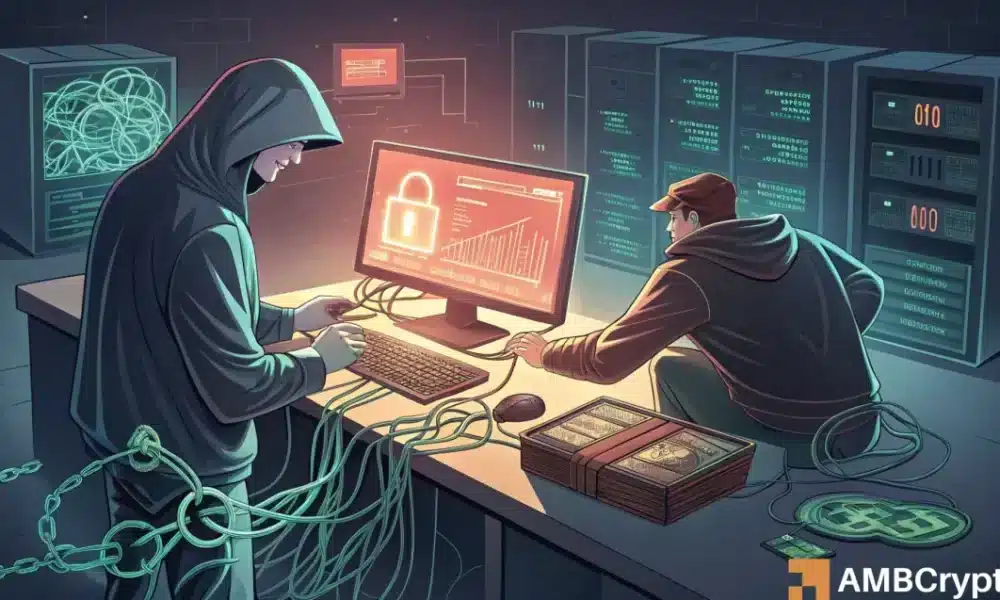
The Unprecedented Crypto Heist That Shook the World
On January 10th, as the world slumbered, one of the largest crypto heists in history took place. A staggering $282 million in Bitcoin and Litecoin was siphoned off in a sophisticated attack. Surprisingly, this wasn’t caused by a vulnerability in blockchain technology or a software bug, but through social engineering—exploiting the human element of security.
How It Happened: A Breach of Trust
Hardware wallets like Trezor, considered the gold standard for crypto storage, were central to the attack. However, their Achilles’ heel is the user. The victim, deceived by a convincing impersonation scam, was tricked into sharing their wallet’s seed phrase. This gave the attacker full access to their funds, nullifying the hardware wallet’s security.
The Chain Reaction: Laundering $282 Million
After the theft, the attacker faced one major challenge—blockchain’s transparent nature means every transaction is traceable. To obscure the trail, the stolen funds were moved across different blockchains using tools like THORChain, a decentralized liquidity protocol that facilitates anonymous transactions without requiring KYC (Know Your Customer) processes. Approximately $71 million was moved across chains via THORChain alone.
But the trail didn’t stop there. To further obscure their activity, the attacker used Tornado Cash, a privacy-focused Ethereum mixer. This tool combines funds from various sources, breaking the direct transaction history. Additionally, significant amounts were converted into Monero, a privacy-centric cryptocurrency, driving its price up momentarily.
A Chaotic Market Environment
Interestingly, the heist coincided with broader crypto market turbulence. Cryptocurrencies like Bitcoin and Litecoin experienced noticeable dips on the same day due to macroeconomic news, adding noise to an already chaotic situation.
Steps Toward Cybersecurity Awareness
As crypto scams become increasingly sophisticated, advancements in security are paramount. Promisingly, international coalitions like Europol have intensified their efforts to combat cyber fraud. A recent victory involved dismantling a multinational money laundering network, which had amassed over €700 million from unsuspecting victims.
How to Protect Yourself
This case is a stark reminder that even the most secure hardware wallets function only as well as the user operating them. Here are some tips to safeguard your assets:
- Never share your wallet’s seed phrase with anyone, even if they claim to be support staff.
- Verify communications independently before responding to requests for private information.
- Consider additional privacy tools to strengthen your online anonymity when transacting.
Looking to enhance your crypto storage security? Consider hardware wallets like the Ledger Nano X, which offers advanced security features and Bluetooth-enabled ease of use.
Final Thoughts
The $282 million crypto heist underlines the importance of education and vigilance in the digital asset space. As technology evolves, so do the methods used by attackers. Stay informed, choose secure tools, and always double-check any requests for sensitive information to protect your investments.