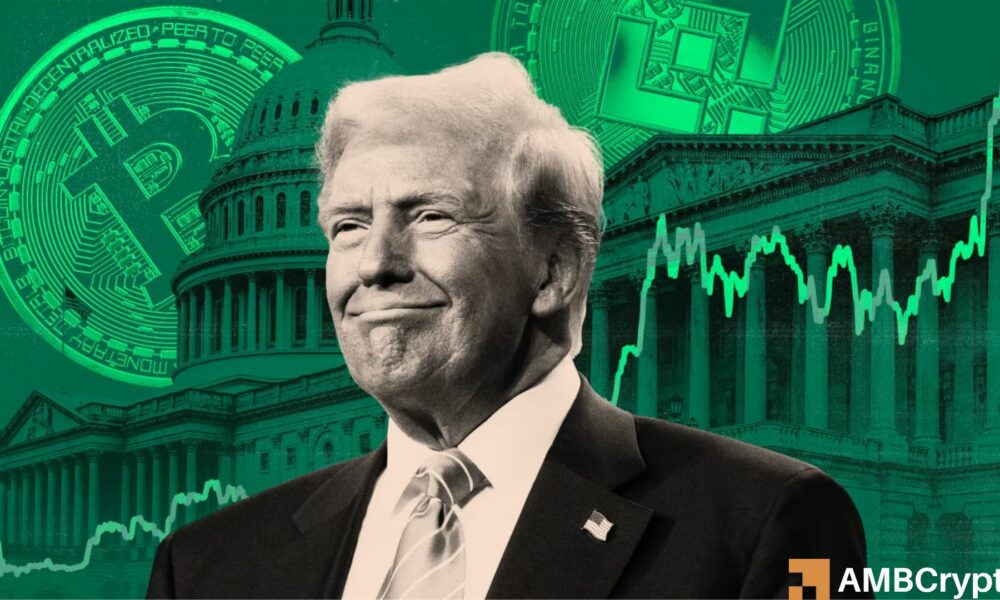
The spotlight is once again on Donald Trump’s presidency as a recent New York Times report delves into allegations of crypto firms influencing regulatory decisions. These claims suggest that Trump-associated entities may have benefited from the dismissal or settlement of numerous crypto-related cases, raising eyebrows across the financial industry.
Allegations of ‘Pay-to-Play’ in Trump Administration
The NYT report discloses that during the Trump Administration, roughly 33% of crypto-related cases from the Biden era were dismissed, a stark contrast to the 4% dismissal rate witnessed in other industries. Among the 14 dismissed investigations, many of the firms involved reportedly established ties, either directly or indirectly, with Trump’s circle.
For instance, Coinbase witnessed its lawsuit being dismissed and became a backer of Fairshake, a pro-crypto Super PAC. Additionally, it spearheaded initiatives like Stand With Crypto, supporting crypto-minded lawmakers. Another high-profile case includes Binance and its founder, Changpeng Zhao (CZ), both facing legal scrutiny but later receiving pardons, purportedly tied to their business transactions benefiting Trump-backed ventures like World Liberty Financial.
The Evolving Trump Crypto Empire
As of 2025, the Trump family has reportedly expanded its interests across various crypto verticals, including Bitcoin mining, decentralized finance (DeFi) lending, stablecoin projects, and even meme-inspired cryptocurrencies. This deep entrenchment within the crypto industry seems to have played a pivotal role in shaping pro-crypto regulatory policies.
However, this alignment has not come without criticism. Key legislation such as the GENIUS Act—a cornerstone bill addressing stablecoin regulations—nearly derailed due to apparent conflicts of interest. Furthermore, concerns linger over how dismissed cases were granted prejudice, barring them from being revisited by a future Democrat-led administration.
Industry-Wide Reactions
The regulatory rollbacks have drawn mixed reactions. Some, including SEC Commissioner Hester M. Peirce, argued that many of the cases filed lacked strong legal basis. “Drastic actions were taken under prior administrations; these dismissals merely corrected them,” Peirce stated.
On the other hand, critics highlight the implications of these decisions amid growing scrutiny of how politics intersects with financial regulations.
How This Impacts the Crypto Sector
As the dust settles on this controversial chapter, the crypto industry is left grappling with heightened public and regulatory attention. This situation underscores the importance of robust compliance measures and transparent operations among crypto firms. For enthusiasts exploring crypto investment themselves, reliable cold wallets, such as the Ledger Nano X, offer a safer way to manage assets in an ever-evolving financial landscape.
While Trump’s presidency may have ended, its legacy in shaping the U.S. crypto regulatory environment will likely cast a long shadow in years to come. Whether these rollback decisions will stand the test of time, particularly under future administrations, remains an open question.