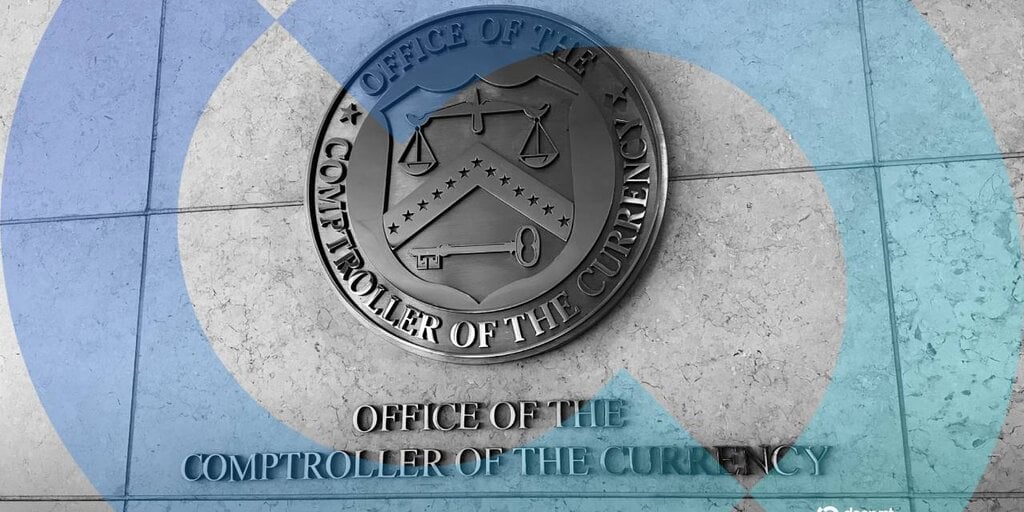
In a groundbreaking preliminary report, the Office of the Comptroller of the Currency (OCC) has raised concerns about major U.S. banks restricting or denying financial services to lawful businesses, including cryptocurrency firms. These findings revive discussions surrounding alleged banking discrimination and what some have dubbed ‘Operation Choke Point 2.0.’
What Is Crypto Debanking?
The OCC’s report reviewed nine prominent U.S. banks, including JPMorgan Chase, Bank of America, and Wells Fargo, showing they applied heightened scrutiny to specific lawful industries. While banking restrictions have long targeted sectors such as firearms, oil and gas, and adult entertainment, the burgeoning digital asset industry appears to have faced similar challenges in recent years.
‘Operation Choke Point 2.0’ Under Scrutiny
‘Operation Choke Point,’ a controversial Justice Department initiative in 2013, sought to label certain lawful industries as high-risk. Though it formally ended in 2017, critics claim its ethos has quietly persisted. Cryptocurrency advocates, for instance, point to limited access to financial services as an indication of informal discouragement targeting the sector.
Earlier this year, internal Federal Deposit Insurance Corporation (FDIC) documents suggested skepticism toward the crypto industry, lending credence to these concerns. Comptroller of the Currency Jonathan V. Gould has openly condemned any involvement by regulators or banks in such practices and asserted the OCC’s dedication to halting efforts to ‘weaponize finance.’
OCC’s Commitment to Fair Banking Practices
The agency aims to hold banks accountable if it uncovers unlawful discrimination against these industries. As the investigation continues, thousands of complaints regarding banking discrimination are under review. This move signals a strong stance by the OCC against financial exclusion, especially for sectors like cryptocurrency, where innovation could be stymied without proper banking access.
Encouragingly, the OCC is taking steps to create a more inclusive financial environment. A recent interpretive letter clarified that banks can hold cryptocurrencies on their balance sheets for blockchain transactions related to permissible activities. Additionally, the regulator has authorized banks to handle ‘riskless principal transactions’ involving crypto assets.
Why This Matters for the Crypto Industry
The OCC’s findings are poised to have wide-reaching effects. Not only do they provide a pathway for lawful businesses to challenge discriminatory practices, but they also bring hope to the cryptocurrency sector, which has long battled skepticism from traditional finance. The evolving stance on crypto from regulatory institutions could pave the way for broader industry acceptance.
Discover Crypto Tools to Simplify Your Journey
If you’re diving into the world of cryptocurrencies, having reliable tools at hand can make a huge difference. Consider exploring the Ledger Nano X, a highly secure cryptocurrency hardware wallet perfect for managing your digital assets. Designed for both professionals and beginners, it provides unmatched security for your investments.
Ultimately, as the debate around crypto debanking continues, regulators’ commitment to impartiality and industry fairness will be critical in shaping the financial landscape of the future.