What Happened in October’s $19 Billion Crypto Crash?
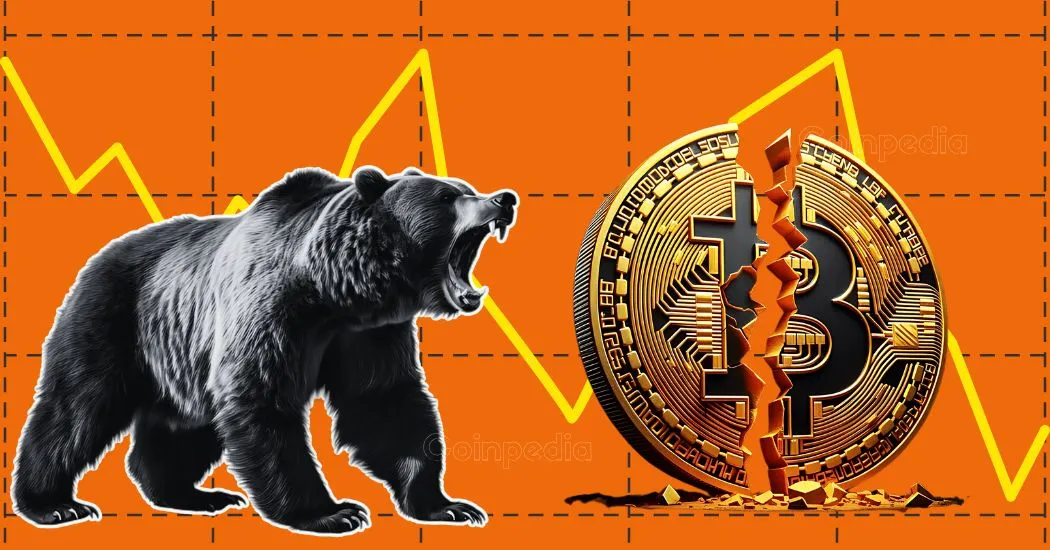
The cryptocurrency market faced its most significant single-day liquidation in history on October 10, marking a $19 billion crash. The rapid sell-off wiped out leveraged positions across multiple platforms, shaking the foundations of the crypto world. As prices nosedived, highly leveraged traders were hit hardest as margin thresholds were breached, triggering automated liquidations.
In the eye of the storm was Binance—the world’s largest cryptocurrency exchange—facing criticism alongside other platforms for their role during the event. But was Binance truly to blame?
Changpeng Zhao’s (CZ) Response to the Accusations
During a live AMA session on Binance’s platform, former CEO Changpeng Zhao (CZ) dismissed allegations that Binance was a catalyst in the crash, calling such claims “far-fetched.” According to CZ, blaming a single exchange for a systemic event misrepresents the complex forces at play.
The market crash was fueled by extreme volatility, high leverage, and waves of forced liquidations. Many exchanges experienced technical stress with surging trading activity, further intensifying market fears. Binance, in particular, faced accusations of system glitches and pricing mismatches, although CZ claims these issues were resolved promptly without contributing to the broader market meltdown.
How Binance Handled the Aftermath
In an effort to exhibit accountability, Binance compensated affected users with $600 million for platform-related losses. CZ emphasized that this payout was proof of Binance’s commitment to its users rather than evidence of guilt.
Binance also highlighted its ongoing adherence to regulatory oversight. The exchange is regulated in markets such as Abu Dhabi and remains under scrutiny in the United States, showcasing its focus on compliance.
The Bigger Picture: Systemic Risks in Crypto Markets
Critics argue that the events of October revealed deeper systemic issues in the crypto ecosystem. The combination of high leverage, insufficient stress testing, and fragile exchange infrastructure resulted in a perfect storm.
To address these risks, regulators may push for tighter leverage limits and enhanced infrastructure resilience. Exchange outages and liquidity imbalances are drawing attention as areas for improvement, with some authorities calling for increased transparency and disclosure of risks tied to trading platforms.
How to Manage Risk as a Trader in High-Volatility Markets
For individual traders, understanding the risks associated with leverage is crucial. Diversification, setting clear stop-loss limits, and selecting reliable trading platforms are vital steps to protect investments during periods of market volatility.
If you’re seeking a secure and user-friendly crypto trading platform, consider using Binance. With industry-leading security tools and liquidity, Binance remains a top choice for both novice and seasoned traders.
Final Thoughts
The October crypto crash underscores the need for improved oversight and infrastructure within the cryptocurrency world. While platforms like Binance actively work to address these challenges, traders must stay informed and adopt strategies to navigate the inherent risks in crypto markets. For real-time updates on Bitcoin, altcoins, DeFi, and more, stay tuned to trustworthy news sources.