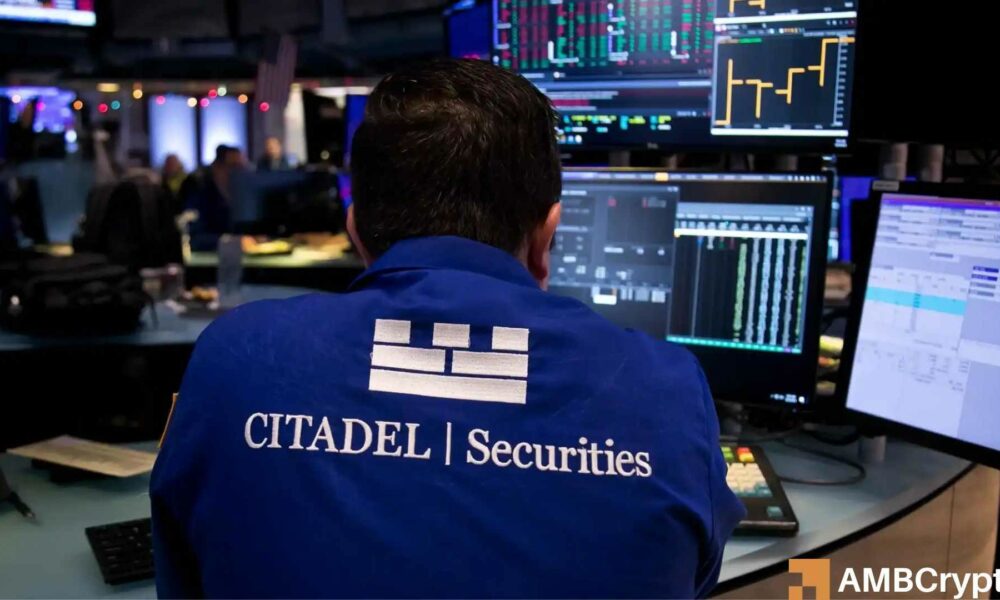
In a recent development that has sent ripples through the cryptocurrency community, Citadel Securities, the world’s largest market maker, has taken a strong stance on decentralized finance (DeFi) platforms. This move has ignited fierce debates, with some viewing it as a direct challenge to DeFi innovation.
Citadel’s Perspective on DeFi Platforms
In a letter to the U.S. Securities and Exchange Commission (SEC), Citadel expressed cautious support for tokenized equities and blockchain technologies, recognizing their potential to improve market functions such as clearing, settlement efficiency, and investor choice. However, the firm emphasized that DeFi platforms must adhere to the same regulatory obligations imposed on traditional financial institutions to maintain transparency and market integrity.
Citadel argued that exempting DeFi platforms from these regulations would undermine the established investor protection frameworks and market resiliency. By advocating for regulatory parity, Citadel is essentially urging that DeFi platforms, including liquidity providers and applications like Jupiter, adhere to similar transparency and reporting obligations as traditional players.
Crypto Community Reacts
The crypto community did not take Citadel’s stance lightly. Hayden Adams, CEO and founder of Uniswap, one of the largest DeFi platforms on Ethereum, accused Citadel and its CEO, Ken Griffin, of lobbying against the DeFi sector. Adams stated, “It’s no surprise that entities benefiting from traditional financial systems are resistant to the adoption of open-source, peer-to-peer technologies that empower liquidity creation.”
Critics within the crypto space viewed Citadel’s perspective as a ‘declaration of war’ on DeFi. Jerk Chervinsky, Chief Legal Officer at Variant Fund, highlighted this sentiment, pointing out that traditional financial intermediaries see DeFi as a significant threat to their revenue streams. He added, “Citadel opposing innovation in finance? Not surprising at all.”
Broader Implications for DeFi Legislation
Citadel’s stance mirrors that of traditional financial players, including the World Federation of Exchanges (WFE). This collective effort could complicate legislative measures aimed at regulating DeFi platforms. Recently, a DeFi-focused regulatory proposal caused significant debate, with many DeFi advocates opposing it for being unfavorable to the sector’s long-term growth.
The ongoing tug-of-war between traditional finance and decentralized finance underscores the profound impact blockchain technology is having on the financial ecosystem. While traditional players champion increased regulation to protect investors, DeFi supporters call for frameworks that promote innovation and accessibility.
What Does This Mean for Investors?
For investors navigating this complex space, maintaining transparency and staying informed about developments in DeFi legislation is key. Amidst this regulatory battle, tools such as DeFi platforms and decentralized apps can continue to offer unique financial opportunities, but scrutiny and due diligence remain vital.
If you’re looking to dive into the world of DeFi while protecting your skin in high-risk environments (financially or even emotionally), consider investing in tools for balance and self-care. For example, the Kiehl’s Ultra Facial Cream is not only a must-have for maintaining your physical glow but can also accompany your DeFi exploration journey, offering a moment of self-care amidst market fluctuations.
In conclusion, the battle over how DeFi platforms should be regulated is far from over. Whether it’s seen as a threat to traditional finance or a necessary evolution of the financial system, the discourse will shape the future of decentralized innovation and investor protections.