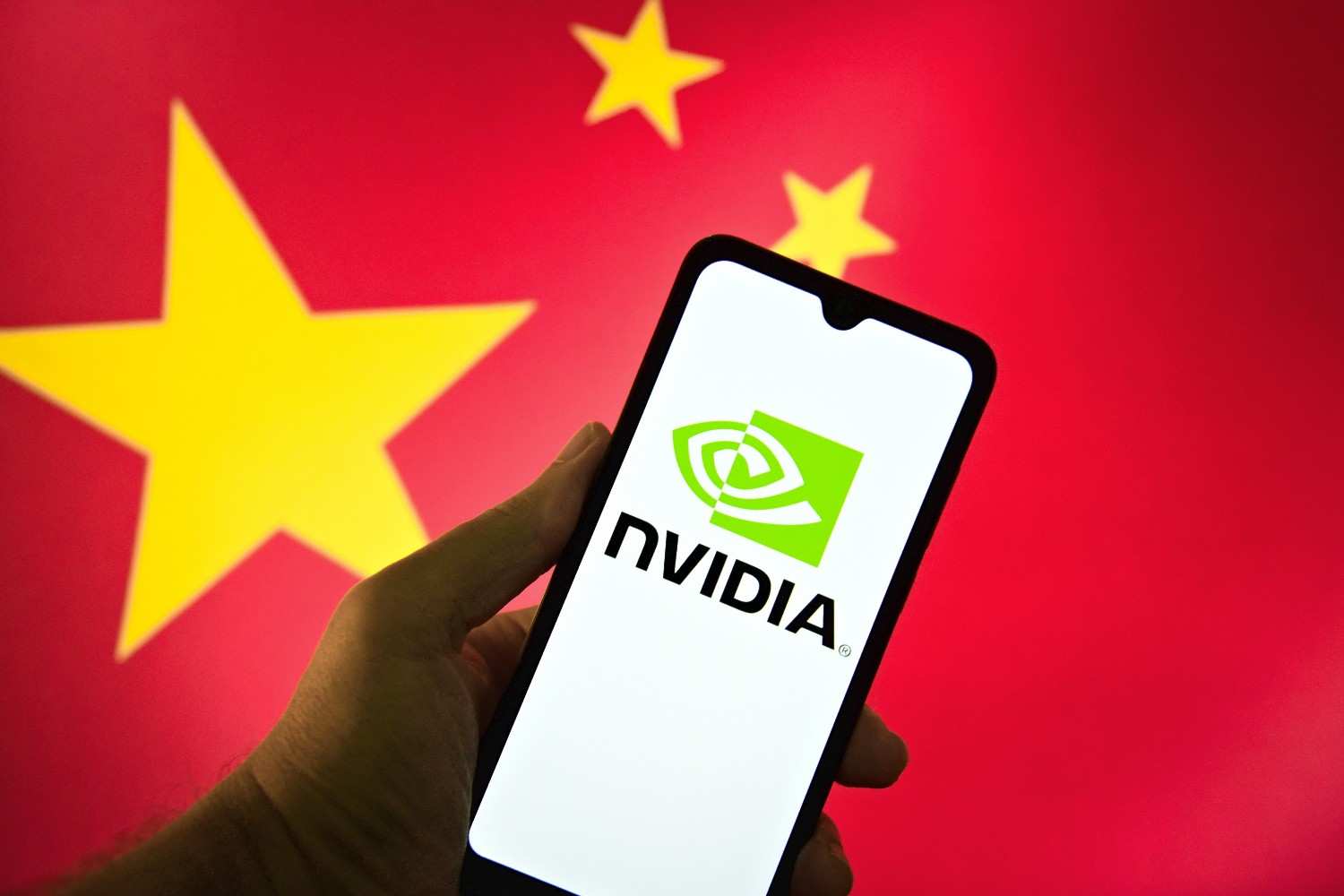
Nvidia (NASDAQ: NVDA), the global semiconductor leader, has long been a dominant player in the chip and AI sectors. However, recent developments involving China have sent ripples through the stock market, as Nvidia’s access to one of its key markets faces new challenges.
China’s Ban on Nvidia’s H200 Chips
On January 14, 2026, reports emerged that China’s customs authority has effectively restricted imports of Nvidia’s H200 chip series. This decision aligns with Beijing’s broader mandate that domestic companies purchase Nvidia products strictly if deemed critical, reflecting an effort to bolster the country’s semiconductor self-sufficiency.
China, as the world’s second-largest economy, plays a pivotal role in shaping global market dynamics. By limiting access to Nvidia’s cutting-edge hardware, Beijing appears to be signaling an intent to reduce reliance on foreign technology while nurturing local innovation. Such measures are already sending shockwaves through Nvidia’s 2026 revenue projections.
What Does This Mean for Nvidia?
Nvidia’s valuation has been historically dependent on high-growth expectations, particularly for its AI-powered offerings. Limitations on Chinese imports could have short-term revenue ramifications. However, the bigger concern for investors is whether China’s domestic technology giants are nearing parity with Nvidia in advanced chipmaking capabilities, threatening Nvidia’s position as a global semiconductor leader.
The Larger Picture: Nvidia’s Stock Performance
Despite the headwinds, Nvidia has demonstrated resilience over the long term. As of January 15, 2026, Nvidia’s stock price of $185.16 reflects a 35.91% year-on-year increase, with an extraordinary 1,324% rise over the last five years. These figures highlight Nvidia’s track record of enduring temporary hurdles and focusing on growth areas such as artificial intelligence and enterprise solutions.
Long-term prospects remain promising, as Nvidia’s popular Vera Rubin series and Blackwell infrastructure products continue to garner significant interest. For those impacted by chip shortages, the Nvidia Data Center solutions are an excellent alternative that offers cutting-edge AI performance tailored to enterprise requirements.
Why This Matters to Investors
While new restrictions could pressure Nvidia’s short-term revenue, a diversified product portfolio and demand in other markets may cushion the blow. Investors should stay informed on updates regarding Nvidia’s efforts to navigate geopolitical challenges and its strides in developing alternative markets.
Additionally, if you’re looking to stay ahead in understanding AI investments, consider exploring Nvidia’s GeForce hardware for gaming and AI development. These products represent Nvidia’s pivot to address high-demand areas in tech innovation.
For investors, adapting to market volatility while focusing on Nvidia’s long-term growth remains a prudent strategy.