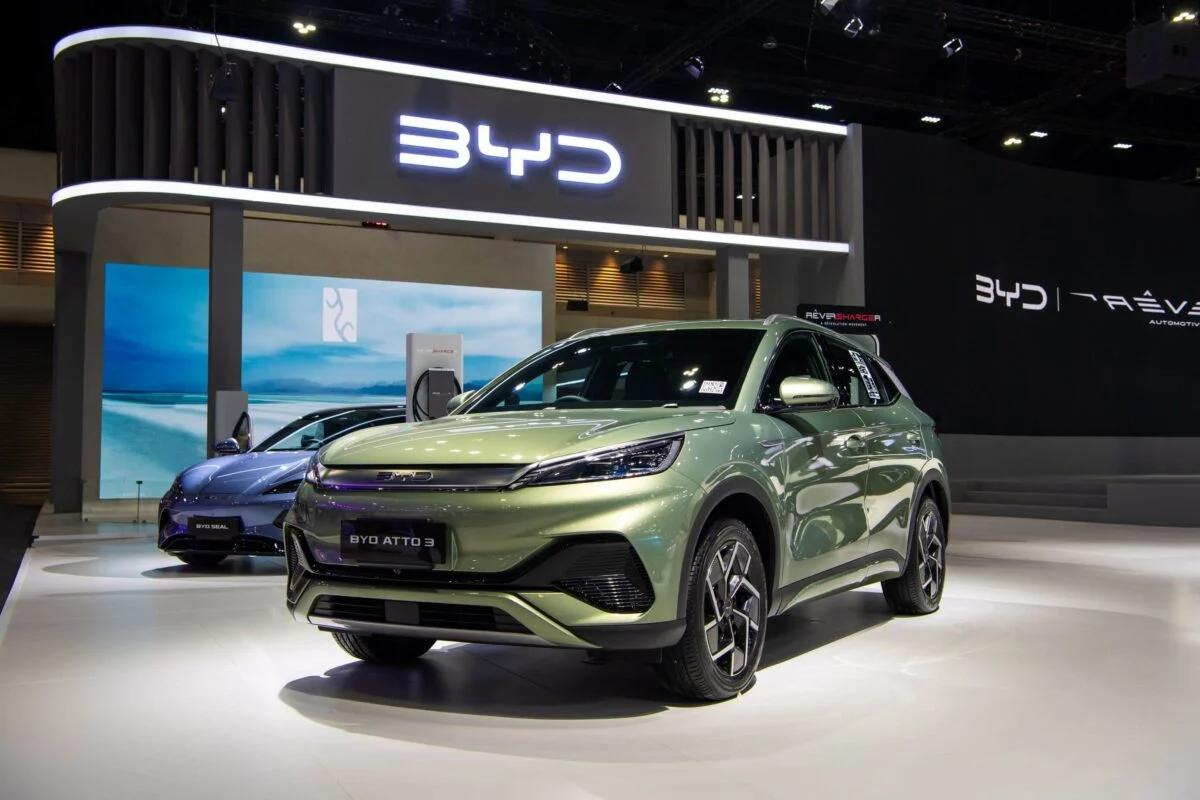
China’s electric vehicle (EV) sector, once heralded as an unstoppable force, is currently navigating turbulent waters. Recent data paints a complex picture where leading EV manufacturers such as BYD are facing significant challenges amidst industry shifts.
BYD’s Slumping Sales: A Wake-Up Call
In January, BYD, one of China’s leading EV giants, recorded the sale of just 83,249 battery electric passenger cars. This marked their weakest monthly performance since February 2024—a concerning trend for a company previously known for rapid growth.
Production and sales figures stand at a staggering drop of 29% and 30%, respectively, compared to the previous months. Alarmingly, these figures are three times worse than the industry average, illustrating the uphill battle ahead for BYD.
Key Reasons for the Decline
Several factors contributed to BYD’s struggles:
- Policy Changes: As of January 1, 2026, China reinstated a 5% purchase tax on new energy vehicles, ending a decade-long tax exemption program that previously spurred EV growth.
- Economic Trends: The fluctuating data due to the Lunar New Year holiday and broader challenges in the global market are creating uncertainty in demand.
- Fierce Competition: Rivals such as Geely and new entrants like Leapmotor and Nio have posted record-breaking sales figures, further increasing market pressure.
Competitors on the Rise
While BYD faces setbacks, competitors are seizing the opportunity to expand their footprints:
- Geely: Sold over 270,000 vehicles in January, with its Galaxy and Zeekr brands leading the charge.
- Huawei’s Aito: Delivered over 40,000 vehicles, showcasing an impressive 80% year-over-year growth.
- Nio and Leapmotor: Both reported significant advances, with deliveries of 27,182 and 32,059 vehicles, respectively.
These companies are entering both the domestic and international markets with aggressive strategies, making it harder for BYD to maintain its market share.
What Lies Ahead for China’s EV Industry?
The broader EV market in China has shown signs of slowing down. New energy vehicle sales grew by a mere 2.6% in December, marking the third consecutive month of reduced growth. While the government has historically supported the sector, industry experts predict potential changes in subsidy policies should the situation worsen.
Analysts are keeping a close watch on first-quarter results to determine whether these trends are short-term volatility or indicative of long-term changes in China’s EV trajectory.
Stay Charged with the Latest EV Solutions
For EV enthusiasts and owners seeking the best products to keep their vehicles running smoothly, consider the Tesla Wall Connector. This home charging station is compatible with a wide range of EVs, providing fast and efficient charging right at your doorstep.
As the Chinese EV market evolves, staying informed and prepared for shifts in technology and policy will be crucial for industry stakeholders, investors, and consumers alike.