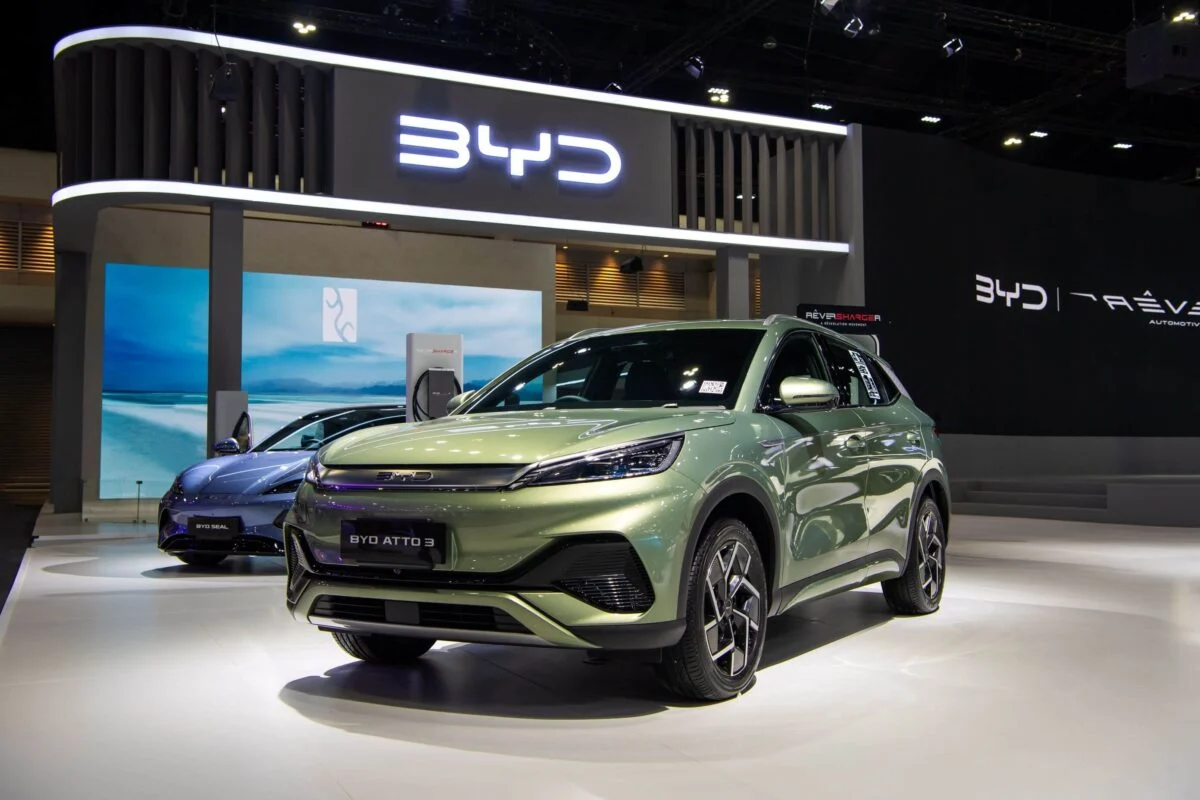
BYD Faces a Tough Road Ahead in the Electric Vehicle Market
BYD, one of the prominent electric vehicle (EV) manufacturers, has encountered significant obstacles in the ongoing year. Recent reports revealed that BYD shares plunged by 6.9% in Hong Kong, marking their lowest close in approximately a year. This comes on the heels of a staggering 30% year-over-year decline in January sales.
Struggles with Domestic Market Share
The company sold a total of 210,051 vehicles in January 2026, marking the fifth consecutive month of declining sales. Competition in China’s EV market has intensified, with rivals like Geely achieving higher sales numbers. Leapmotor also managed to grow by 27% in the same period, signaling a strong challenge to BYD’s market dominance.
Historically, BYD stood out for its affordable EVs. However, advancements by competitors have bridged that gap, eroding BYD’s technological advantage. Adding further pressure, China’s modified subsidy program, designed to favor premium vehicles, has adversely impacted budget-focused manufacturers like BYD. Plug-in hybrids, a core part of the brand’s portfolio, fell 28.5% in sales, contributing to an already challenging year.
Signs of Hope in International Markets
While the domestic market paints a bleak picture, BYD’s international operations provide a glimmer of hope. Overseas sales rose by 43.3%, making up nearly 48% of their total deliveries for January. The move highlights BYD’s strategic pivot towards global expansion. Their 2026 target of delivering 1.3 million vehicles globally remains ambitious, though it has been reduced from a previous estimate of 1.6 million units.
Notable developments in BYD’s international strategy include the launch of new manufacturing facilities in Hungary, Brazil, and Thailand. Upcoming plants are also planned for countries such as Indonesia and Turkey. This expansion solidifies BYD’s position as one of the key EV players in global markets, especially with its consistent shipments of over 100,000 new-energy vehicles internationally.
Challenges Remain Despite Promises of Innovation
BYD has introduced updated hybrid models equipped with extended-range batteries to align with market demands. However, early feedback shows limited success in countering sales declines. Experts from the China Passenger Car Association predict stagnant domestic auto sales for the year, which could spell further troubles for the company’s recovery in China.
Internationally, the company maintains a competitive edge, having surpassed Tesla in 2025 to become the world’s largest EV seller. However, the ongoing shift in subsidy structures, rising competition, and operational inefficiencies threaten to temper these achievements.
What Does the Future Hold for BYD?
Long-term success for BYD hinges on its ability to outperform competitors both technologically and economically, particularly in its domestic market. The evolving preferences of Chinese consumers, coupled with governmental policies favoring premium models, may require BYD to recalibrate its strategy in the budget EV segment.
Boost Your EV Knowledge
Interested in staying on top of the latest developments in EV technology? Learn about BYD’s premium vehicle lineup, boasting cutting-edge battery technology, at BYD’s official website. Check out the details of hybrid models and explore how they’re redefining the market landscape.