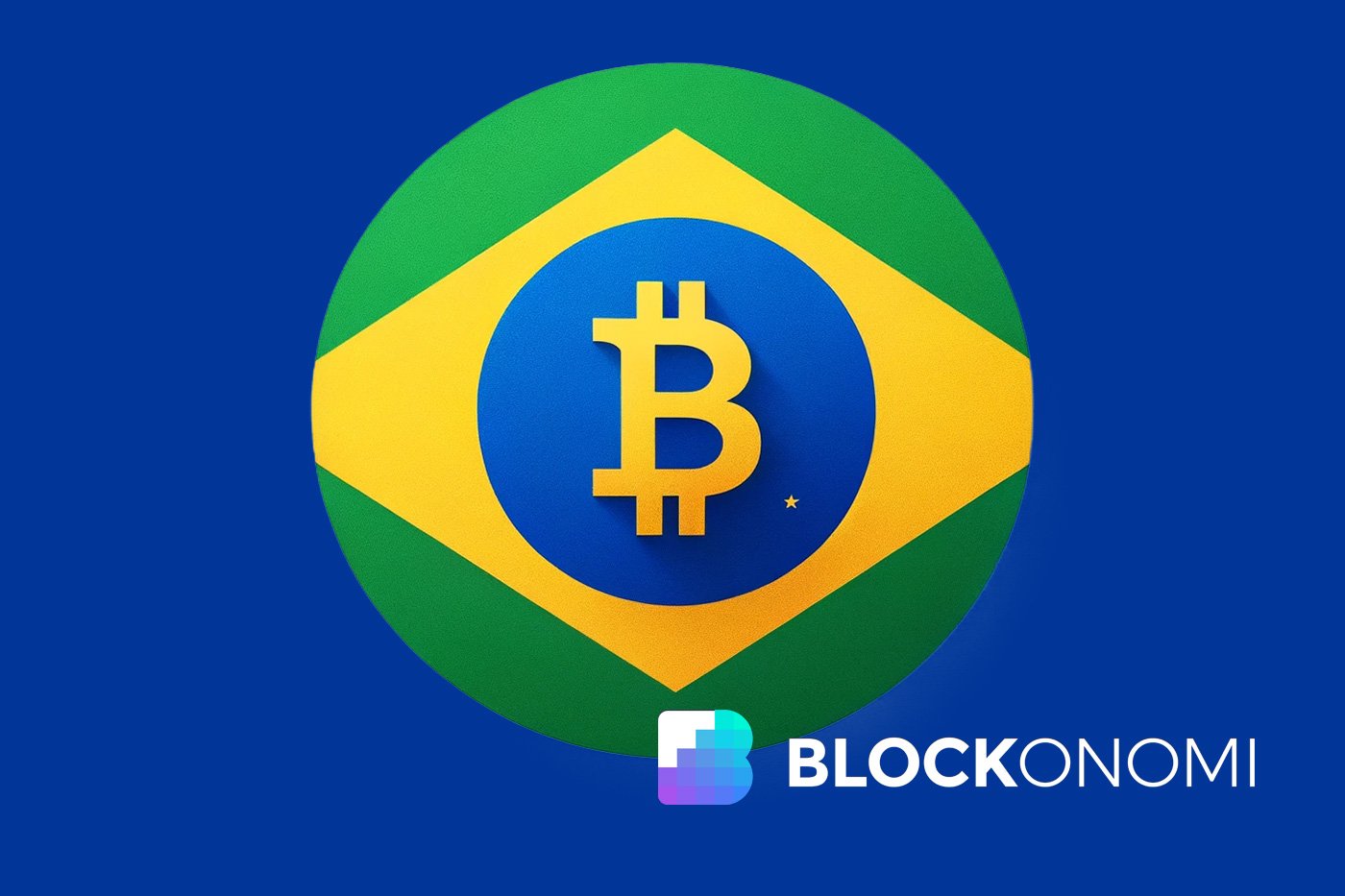
Brazil Approves Groundbreaking Stablecoin Regulation
Brazil has officially moved towards stricter regulations on stablecoins, signaling a major shift in how cryptocurrencies are managed in one of Latin America’s largest economies. The Science, Technology, and Innovation Committee recently approved Bill 4.308/2024, which outlines new compliance requirements to ensure financial system stability and enhance transparency in the crypto sector.
Stablecoins now represent a significant share of Brazil’s crypto transactions, accounting for 90% of trading volume and generating a staggering $6–8 billion in monthly flows. This legislation aims to protect Brazil’s financial ecosystem while aligning with global standards.
Key Points of the Stablecoin Regulation
Under the bill, all stablecoins issued in Brazil must maintain full reserve backing by segregated assets. Issuers must provide transparent and traceable reports to ensure public and governmental trust. Meanwhile, unbacked stablecoins like Ethena’s USDe and Frax are banned, subjecting violators to criminal penalties of up to eight years in prison. This oversight safeguards the market against the systemic risks observed during past crypto crashes, such as the Terra debacle in 2022.
Exchanges operating in Brazil are also required to monitor compliance by verifying that domestic and foreign stablecoin issuers meet these stringent requirements. Notably, widely-used foreign stablecoins like Tether’s USDT and Circle’s USDC must align with Brazilian regulations. If foreign entities fail to meet the compliance criteria, the responsibility for risk shifts to local exchanges, which are obligated to ensure proper custody, auditing, and reporting measures.
Implications for the Crypto Sector
This new framework could reshape Brazil’s crypto ecosystem. Analysts speculate the monthly transaction volume, currently at $6–8 billion, could surge beyond $9 billion by 2030 due to an increase in confidence among institutional and retail investors. The bill also requires foreign providers serving Brazilian clients to establish local entities, maintain adequate capital reserves, and adhere to operational standards, paving the way for a more robust regulatory environment.
Explore Compliance Solutions
As regulations tighten, platforms offering financial reporting and compliance tools are becoming essential for businesses transacting in crypto. QuickBooks Online, a leading accounting software, now offers integration features for tracking crypto transactions, ensuring companies remain compliant with evolving global standards.
Conclusion
Brazil’s initiative to regulate stablecoins reflects a global trend toward a more controlled crypto market. By focusing on reserve backing and transparency, the country is setting a precedent in ensuring financial stability while fostering innovation. Businesses and investors must adapt quickly to these changes to remain competitive in this evolving landscape.






