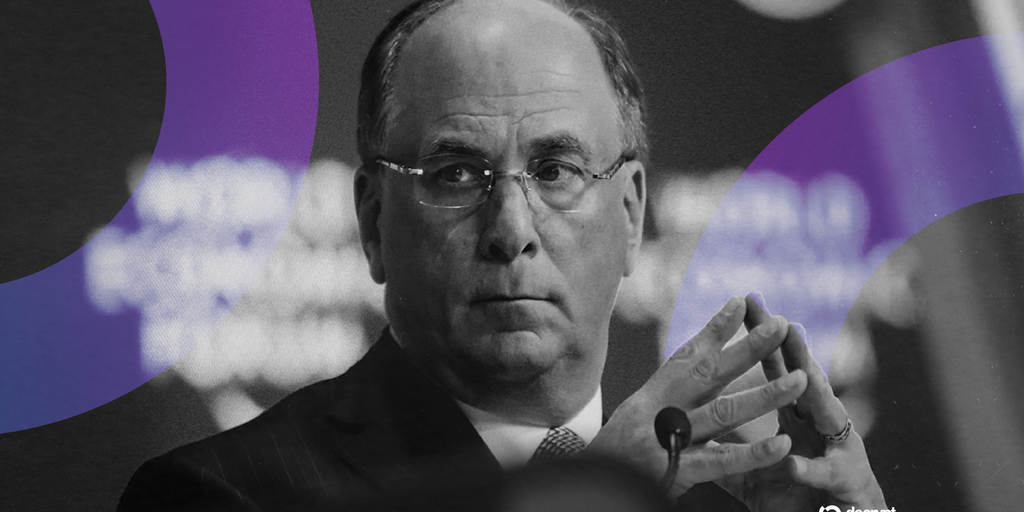
Tokenization is quickly emerging as the next big step in the evolution of global financial systems, as proclaimed by BlackRock CEO Larry Fink and COO Rob Goldstein. Writing for The Economist, the executives detailed their vision on how blockchain-based tokenization could revolutionize markets, enabling secure and instantaneous asset trading while redefining traditional infrastructure.
What Is Tokenization?
Tokenization refers to the process of recording ownership of assets like stocks, bonds, and real estate on digital ledgers called blockchains. This eliminates the need for traditional intermediaries, streamlining operations and expanding investment opportunities. Fink and Goldstein highlight these benefits, suggesting that tokenization is poised to “greatly expand the world of investable assets.”
The BlackRock leaders compare this transformation to the advent of electronic messaging in the 1970s, signaling a massive shift in how markets operate. By transitioning ownership and settlements onto blockchains, tokenization could cut costs, reduce inefficiencies, and widen access to previously inaccessible assets.
A Gradual Evolution
While tokenization holds tremendous potential, BlackRock acknowledges its adoption will not happen overnight. The technology is seen as a “bridge being built from both sides,” connecting traditional financial institutions with blockchain and Web3 developers. Experts like Joshua Chu, co-chair of the Hong Kong Web3 Association, have echoed these sentiments, emphasizing the need for well-regulated and narrow-use cases to drive the adoption of tokenization over multiple cycles rather than a rapid revolutionary overhaul.
Currently, tokenized financial assets represent only a small fraction of global equity and bond markets. However, they are growing rapidly—up about 300% in the last 20 months, according to the executives. Comparisons were drawn to the early days of Amazon, which had only sold $16 million worth of books back in 1996. Today, BlackRock appears to be positioning itself as a leader in this space, evidenced by its USD Institutional Digital Liquidity Fund (BUIDL), now managing $2.3 billion in tokenized assets.
Why Tokenization Matters
Fink and Goldstein stress that tokenization’s real value lies in solving problems traditional structures cannot. For example, it enables faster settlements, reduces collateral risk, and grants access to sectors like real estate by cutting out costly intermediaries. In the words of Fink, “We need to be tokenizing all assets, especially those with multiple levels of intermediaries,” to lower costs and improve market accessibility.
BlackRock’s efforts are paving the way for more accessible and efficient financial systems while fueling innovation in the blockchain and Web3 sectors. Investors and organizations looking to stay ahead might consider exploring these developments further.
Related Product
If you’re exploring blockchain-based investments or are curious about how to leverage new financial technologies, consider the BlackRock USD Digital Liquidity Fund. As one of the largest tokenized funds globally, it represents a prime example of how tokenization is reshaping modern investment strategies.