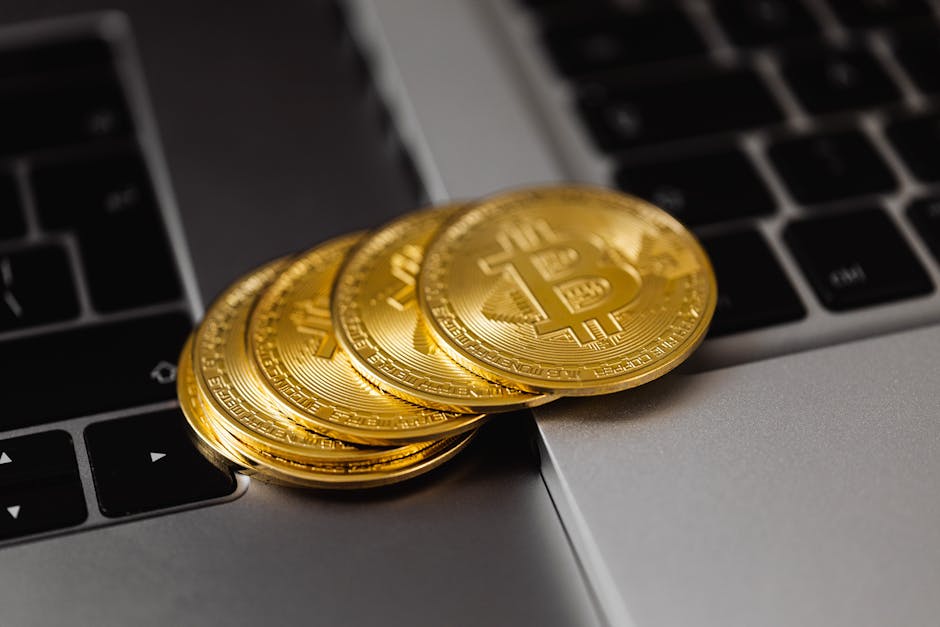
The landscape of cryptocurrency is in constant flux, with Bitcoin standing as its enduring flagship. As we look ahead to Bitcoins in 2026, both enthusiasts and skeptics are asking: How will Bitcoin shape the financial world, technology, and our daily interactions? The answer lies in understanding current trends, regulatory movements, technological innovations, and adoption patterns that are set to redefine the crypto ecosystem over the next two years.
Key Takeaways
- Bitcoin will likely see broader institutional adoption and integration into mainstream finance by 2026.
- Regulation will play a crucial role in shaping the direction and stability of the Bitcoin market.
- Technological upgrades such as the Lightning Network will enhance scalability and utility.
- Bitcoin’s role as a store of value and medium of exchange could evolve with macroeconomic changes.
- Security, environmental concerns, and user education will be pivotal to Bitcoin’s continued success.
The Current State of Bitcoin: A 2024 Snapshot
Market Capitalization and Price Trends
As of 2024, Bitcoin remains the largest cryptocurrency by market capitalization, hovering between $800 billion and $1.2 trillion depending on market swings. Its price, known for volatility, has recently stabilized compared to previous cycles, due partly to increased institutional investment and improved market infrastructure. These trends set the stage for a dynamic future as Bitcoin matures further by 2026.
Mainstream Adoption and Public Perception
Public opinion about Bitcoin has shifted significantly since its inception in 2009. Once viewed as a fringe technology, Bitcoin is now discussed in mainstream media and has entered corporate treasuries. Companies like Tesla and MicroStrategy have made headlines for holding Bitcoin on their balance sheets. Surveys conducted in 2023 by Pew Research Center showed that 16% of Americans have invested in or traded cryptocurrency, indicating growing—but still nascent—mainstream adoption.
Primary Drivers for Bitcoins in 2026
Institutional Investment and Integration
One of the most significant drivers influencing Bitcoins by 2026 will be institutional adoption. Major financial players, including BlackRock and Fidelity, have already launched Bitcoin-linked investment products. In the next two years, we can expect continued integration with traditional financial systems, leading to more retirement funds, ETFs, and insurance products containing Bitcoin exposure. This deepening integration may bring added legitimacy and liquidity while reducing price volatility.
Regulatory Developments and Legal Frameworks
Regulation remains both an opportunity and a challenge for Bitcoin. By 2026, clear guidelines from financial authorities such as the SEC, European Union, and Asian regulators are anticipated. These frameworks will address critical issues like anti-money laundering (AML), Know Your Customer (KYC) requirements, and tax treatment. Well-constructed regulations could foster confidence among investors and reduce the risks of fraud and market manipulation.
Technological Innovations Shaping the Future
Scalability and the Lightning Network
For Bitcoin to become a viable medium of exchange for everyday transactions by 2026, scalability must be addressed. The Lightning Network—a layer-2 solution—enables faster and cheaper Bitcoin transactions. As adoption grows, the network could facilitate millions of microtransactions per second. This development will be crucial for retail and merchant adoption, potentially allowing Bitcoin to be used for everything from coffee purchases to cross-border remittances.
Security Enhancements and Quantum Resistance
Security is at the core of Bitcoin’s value proposition. In response to evolving threats, Bitcoin developers are researching quantum-resistant cryptography to future-proof the network against advances in quantum computing. By 2026, we may see the implementation of new cryptographic standards aimed at preserving the integrity of users’ funds and private keys, ensuring that Bitcoin remains the most secure digital asset.
Bitcoin’s Role in the Global Economy
Store of Value vs. Medium of Exchange
Bitcoin’s dual identity—as both a store of value (“digital gold”) and a medium of exchange—will be further tested in 2026. With inflation concerns persisting worldwide, some central banks and sovereign wealth funds have started considering Bitcoin as a hedge. Conversely, improvements in transaction speeds and lower fees could reignite its use for daily payments, especially in countries with unstable local currencies.
Impact on Emerging Markets
Emerging economies stand to benefit disproportionately from Bitcoin adoption. Countries like El Salvador have already made Bitcoin legal tender, and others may follow by 2026. For the unbanked and underbanked, Bitcoin can offer a pathway to financial inclusion, bypassing legacy banking systems and high remittance fees. However, volatility and technological barriers remain challenges to overcome.
Environmental and Societal Considerations
Addressing the Environmental Impact
Bitcoin’s energy consumption has been a contentious issue. The network consumes about as much electricity as some small countries, driving environmental criticism. In response, miners are increasingly leveraging renewable energy sources and shifting towards greener practices. By 2026, the share of Bitcoin mining powered by renewables could exceed 60%, according to projections from the Bitcoin Mining Council, helping to mitigate environmental concerns and improve public perception.
Societal Attitudes and User Education
Societal understanding of Bitcoin continues to mature. Governments, educational institutions, and private organizations are rolling out courses aimed at increasing financial and digital literacy. By 2026, we may see Bitcoin as a standard topic in high school and university curricula, empowering a new generation of users to participate securely and knowledgeably in the crypto economy. Enhanced education will also help reduce risks associated with scams and poor investment decisions.
Risks, Challenges, and Potential Roadblocks
Volatility and Market Manipulation
Despite increased stability, Bitcoin’s price is still subject to significant fluctuations. By 2026, large-scale market movements driven by “whales” or sudden regulatory changes could still cause sharp corrections. The introduction of more regulated products and better surveillance tools may help mitigate manipulation, but volatility is likely to remain a defining feature.
Geopolitical Risks and Bans
Geopolitical events continue to influence Bitcoin’s trajectory. Some countries, notably China and India, have imposed strict restrictions or outright bans on cryptocurrency trading and mining. Others, like Singapore and Switzerland, have embraced regulation and innovation. The global patchwork of approaches could lead to jurisdictional arbitrage but also create hurdles for seamless adoption. Navigating this complex environment will require adaptability from both users and businesses.
Predictions and Scenarios for Bitcoins in 2026
Possible Price Ranges and Market Cap
Forecasting Bitcoin’s price is notoriously difficult. However, several analysts predict that, if current adoption rates persist and regulatory clarity emerges, Bitcoin’s market capitalization could approach $2–3 trillion by 2026. Price targets range from $80,000 to $250,000, driven by supply scarcity (only 21 million bitcoins will ever exist), increased institutional demand, and growing use cases.
Real-World Use Cases
The practical applications for Bitcoin are expected to expand dramatically by 2026. Beyond investment, we could see Bitcoin underpinning decentralized finance (DeFi) products, cross-border trade, and even micro-payments for content creators. Integration with payment giants like Visa and Mastercard and adoption by major merchants could make Bitcoin a routine payment option for millions.
Conclusion
As we approach 2026, Bitcoin stands poised to redefine the boundaries between digital innovation and mainstream finance. Its journey will be shaped by advances in technology, evolving regulations, greater societal understanding, and the drive for sustainability. The coming years promise challenges, but also immense opportunities for those prepared to navigate this evolving landscape.
Whether you are an investor, a developer, or simply a curious observer, staying informed about Bitcoins in 2026 is essential. As adoption grows, resources such as crypto news updates and in-depth guides on blockchain technology will help you keep pace with this rapidly changing asset. The future is unfolding—don’t be left behind.
Frequently Asked Questions
Will Bitcoin still be the leading cryptocurrency in 2026?
Bitcoin is expected to maintain its position as the leading cryptocurrency by 2026, driven by its first-mover advantage, strong brand recognition, and ongoing technological upgrades. However, competition from other digital currencies and evolving applications in decentralized finance could influence its market share.
How might regulations affect Bitcoin by 2026?
Regulations are likely to become more defined and globally coordinated by 2026. Clearer rules around taxation, anti-money laundering, and investor protections could boost public confidence and encourage further adoption. However, overly restrictive policies in some countries may pose challenges to growth.
What technological innovations could impact Bitcoin’s use?
Technological advancements such as the expansion of the Lightning Network, quantum-resistant cryptography, and integration with mainstream payment systems are poised to enhance Bitcoin’s utility, security, and scalability. These changes will make Bitcoin more accessible and useful for everyday transactions.
Will Bitcoin be more eco-friendly by 2026?
There is a strong push towards using renewable energy in Bitcoin mining. By 2026, industry experts expect that a majority of mining operations will utilize sustainable power sources, significantly reducing the network’s carbon footprint and addressing some of the environmental criticisms currently facing Bitcoin.
Can Bitcoin replace fiat currencies by 2026?
While Bitcoin may see increased use as a complementary currency or store of value, it is unlikely to fully replace fiat currencies by 2026. However, in regions with unstable local currencies or limited banking infrastructure, Bitcoin could play a more prominent role in daily commerce and savings.