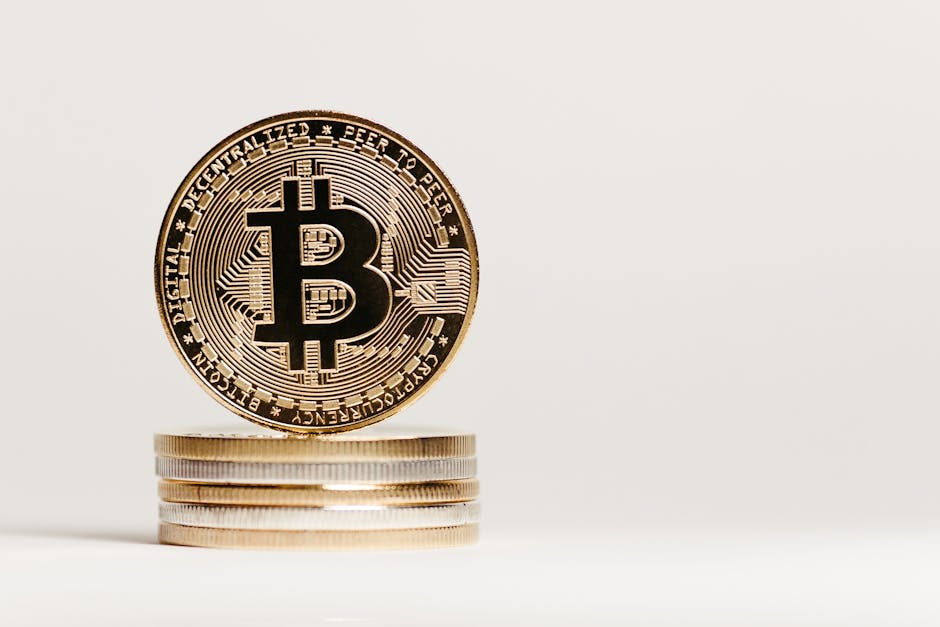
As the world’s most recognized digital currency, bitcoins in 2026 are set to play an even more significant role on both global financial markets and in everyday transactions. Since its creation in 2009, Bitcoin has weathered cycles of skepticism, exuberance, regulation, and innovation. By examining present trends and expert analysis, we can anticipate what the coming years may hold for this pioneering cryptocurrency. This article offers a deep dive into where Bitcoin might be headed by 2026, covering technological advancements, regulatory shifts, adoption rates, investment strategies, and broader economic impacts.
Key Takeaways
- Bitcoin is expected to remain the leading cryptocurrency in 2026, with advancements in technology and regulation shaping its trajectory.
- Institutional investors and mainstream companies will likely fuel broader adoption and price stability.
- Decentralized finance (DeFi) and layer-2 solutions will play a significant role in Bitcoin’s usability and scalability.
- Global regulatory clarity may support or hinder Bitcoin’s growth depending on individual governments’ approaches.
- Environmental concerns and energy-efficient mining could become defining issues for Bitcoin’s next chapter.
Bitcoin’s Evolution: Past to Present
The Journey From Inception to Mainstream
Bitcoin was launched in 2009 by the pseudonymous Satoshi Nakamoto, introducing the world to a new paradigm of decentralized digital money. Over the years, it evolved from a niche experiment among cryptographers to a globally recognized asset class. In 2021, Bitcoin reached its highest price to date, fueled by both institutional investment and retail demand. As of 2024, it has established itself as a digital gold, a hedge against inflation, and a speculative investment.
Major Milestones Leading Up to 2026
Several key milestones have shaped Bitcoin’s reputation. The introduction of Bitcoin futures on regulated markets, adoption by companies like Tesla and Square, and the integration of Bitcoin into the payment systems of countries such as El Salvador have all contributed to its legitimacy. According to CoinDesk, these events not only brought Bitcoin into the public eye but also laid the groundwork for increased utility and acceptance.
Market Trends and Price Predictions for 2026
Expert Predictions and Market Analysis
While speculative, forecasting the price of bitcoins in 2026 is a favorite pastime among analysts and investors. Mainstream outlets like Bloomberg and Forbes have featured expert opinions suggesting Bitcoin could reach anywhere from $100,000 to $500,000, assuming continued adoption and limited supply. The upcoming halving events, which reduce the rate at which new bitcoins are created, are likely to exert upward pressure on prices due to increased scarcity. However, volatility remains a constant feature, as Bitcoin reacts sharply to macroeconomic news and regulatory announcements.
Volatility and Investment Strategies
Investing in Bitcoin will likely still involve significant price swings by 2026. Short-term traders may continue to profit from volatility, while long-term holders, or ‘HODLers,’ could benefit from gradual appreciation. Diversification and risk management will remain essential strategies for those looking to navigate the unpredictable waters of cryptocurrency markets.
Regulation and Legal Frameworks
Global Approaches to Regulation
One of the biggest influences on the future of bitcoins in 2026 will be the regulatory environment. Countries such as the United States and members of the European Union are working on comprehensive frameworks to monitor and control cryptocurrency activities. The U.S. Securities and Exchange Commission and European Central Bank are developing policies that could range from outright bans to full acceptance and oversight.
Effects of Regulation on Adoption
Clearer regulations are likely to attract more institutional investors, as compliance reduces risk and ensures greater market integrity. However, overregulation could stifle innovation or push Bitcoin activity into less transparent markets. The right balance will be crucial for fostering growth while protecting consumers and the financial system.
Technological Advancements and Scalability
Layer-2 Solutions and Transaction Speed
Original limitations of the Bitcoin network—such as slow transaction times and high fees during peak usage—have prompted ongoing development. Technologies like the Lightning Network aim to make small transactions faster and cheaper. By 2026, widespread adoption of these “layer-2” solutions could make Bitcoin more practical for everyday purchases and micropayments.
Interoperability and Smart Contracts
Although Bitcoin is primarily seen as a store of value, there is increasing interest in interoperability with other blockchains and the introduction of smart contract capabilities. Projects like Rootstock (RSK) are working to bring smart contracts to Bitcoin, potentially opening new DeFi applications and increasing usability beyond simple payments.
Adoption: From Institutions to Individuals
Institutional Investment and Corporate Adoption
One of the defining features of the next few years will be the growing involvement of institutional investors in the Bitcoin space. Major hedge funds, pension funds, and even governments are exploring Bitcoin as a treasury asset. Public companies like MicroStrategy and Tesla have already made headlines with significant Bitcoin holdings, and this trend is expected to continue, increasing liquidity and price stability.
Everyday Consumer Use
For everyday consumers, Bitcoin is gradually becoming more accessible through payment apps, debit cards, and direct bank integrations. By 2026, using Bitcoin for daily purchases, remittances, and international transfers could be as simple as using a traditional credit card. Companies like PayPal and Square are leading the way in integrating Bitcoin into mainstream financial products.
Environmental Concerns and Innovations in Mining
Addressing Bitcoin’s Energy Consumption
Bitcoin’s energy use, primarily from its proof-of-work mining process, has become a major topic of debate. Critics point to the carbon footprint of mining operations, while supporters argue for the increasing use of renewable energy sources. By 2026, advancements in mining technology and stricter sustainability standards may radically transform how Bitcoin is mined.
Green Mining Initiatives
Several initiatives are already underway to make Bitcoin mining more sustainable, such as hydro-powered mining farms and the use of surplus renewable energy. These innovations could help regulate the environmental cost without compromising the network’s security or decentralization. Ongoing research and public pressure will likely push the industry toward greener practices.
Risks, Opportunities, and Long-Term Impacts
Potential Risks Facing Bitcoin
While the future of bitcoins in 2026 looks promising, several risks persist. Market manipulation, hacking incidents, technical vulnerabilities, and regulatory crackdowns could impact price and adoption. Investors should remain vigilant and stay informed about evolving threats.
Broader Economic and Social Impacts
If current adoption trends continue, Bitcoin could significantly influence global financial systems by increasing access to digital assets, reducing remittance costs, and providing a hedge against currency devaluation in unstable economies. Its success could also inspire further innovation in decentralized finance and digital identity management.
Frequently Asked Questions
Will Bitcoin still be the leading cryptocurrency in 2026?
While other cryptocurrencies have emerged as strong competitors, Bitcoin’s first-mover advantage, brand recognition, and robust infrastructure make it likely to remain the leading digital currency in 2026. Its dominance could, however, be challenged by continued innovation in the blockchain space.
How might regulations impact Bitcoin’s growth by 2026?
Regulations could either enhance or hinder Bitcoin’s growth. Clear, investor-friendly frameworks are expected to encourage institutional adoption, while overly restrictive rules might stifle innovation or push activity offshore. Ongoing dialogue between industry players and regulators will shape outcomes.
Will Bitcoin become more environmentally friendly by 2026?
Yes, there is a strong push within the crypto industry to reduce Bitcoin’s environmental impact. Advances in mining technology, increased use of renewable energy, and market incentives are all expected to make Bitcoin more sustainable over the next few years.
Can Bitcoin be used for everyday transactions in 2026?
With the rollout of layer-2 technologies like the Lightning Network and greater integration with payment platforms, Bitcoin is expected to become much more viable for everyday purchases and small transactions by 2026.
Is investing in Bitcoin safe for the long term?
Like any rapidly evolving asset, Bitcoin carries risks such as volatility, regulatory changes, and security threats. Diversification, research, and risk management are essential for long-term investors who wish to include Bitcoin in their portfolios.
Conclusion
The landscape for bitcoins in 2026 is poised for transformative growth, innovation, and mainstream adoption. Regulatory clarity, technological advancements, and increased environmental consciousness are likely to shape a more mature and resilient Bitcoin ecosystem. As the world continues to embrace digital assets, Bitcoin’s influence on finance, society, and technology is set to deepen further.
Whether you’re an investor, business leader, or curious observer, staying informed and agile will be key to navigating the opportunities and challenges that lie ahead. The next chapter of Bitcoin promises to be as dynamic as its journey so far—make sure you’re ready to participate in this ongoing revolution.