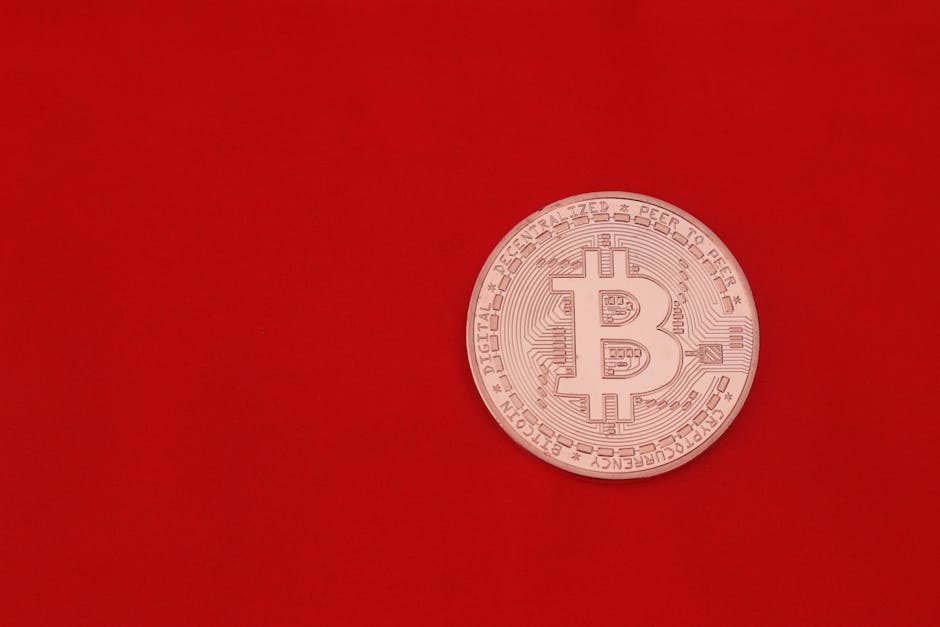
The realm of cryptocurrencies has transformed dramatically since the inception of Bitcoin in 2009. As the first and most recognized cryptocurrency, Bitcoin has set the stage for digital currencies globally. However, the landscape has rapidly evolved with the emergence of numerous alternative cryptocurrencies, often referred to as altcoins, each vying for a share of the market. This blog delves into the competition between Bitcoin and emerging cryptocurrencies, analyzing their trajectories and what the next decade might hold.
The Rise of Bitcoin
Bitcoin, introduced by the pseudonymous Satoshi Nakamoto, was designed as a decentralized digital currency, aiming to offer an alternative to traditional fiat currencies. Its underlying technology, blockchain, ensures security and transparency, which has been pivotal to its adoption. Over the years, Bitcoin has established itself as a store of value, often likened to digital gold, and has gained acceptance from both retail and institutional investors.
Emergence of Altcoins
While Bitcoin laid the groundwork, the introduction of altcoins has diversified the crypto ecosystem. Ethereum, launched in 2015, introduced smart contracts, enabling decentralized applications (dApps) and catalyzing the rise of decentralized finance (DeFi). Other altcoins, like Ripple (XRP), Litecoin, and Chainlink, have also carved out niches, offering unique functionalities and improvements over Bitcoin’s limitations, such as transaction speed and energy efficiency.
Technological Innovations
The competition between Bitcoin and altcoins is driven by technological innovations. For instance, Ethereum’s transition to a proof-of-stake consensus mechanism aims to address scalability and environmental concerns. Similarly, newer cryptocurrencies are exploring advanced privacy features, interoperability, and enhanced scalability solutions, which could potentially surpass Bitcoin in terms of utility and efficiency.
Market Dynamics and Adoption
The market dynamics of cryptocurrencies are influenced by adoption rates, regulatory developments, and technological advancements. Bitcoin’s mainstream recognition and brand have given it a first-mover advantage, yet altcoins are rapidly catching up. Institutional adoption, such as Tesla and Square’s Bitcoin investments, has bolstered its legitimacy. However, altcoins are also gaining traction, particularly in niche markets and applications.
Regulatory Challenges
Regulatory environments play a critical role in shaping the future of cryptocurrencies. Bitcoin, with its established presence, faces ongoing scrutiny in terms of regulatory compliance and taxation. Emerging cryptocurrencies, while innovative, often encounter challenges regarding securities classifications and compliance with international laws. The evolving regulatory landscape will significantly impact the competitive dynamics between Bitcoin and altcoins.
The Next Decade: What to Expect
Predicting the future of cryptocurrencies involves considering several factors. As Bitcoin continues to solidify its role as a store of value, emerging cryptocurrencies are expected to focus on utility, speed, and environmental sustainability. The integration of blockchain technology across various industries could drive widespread adoption, and decentralized financial systems might become more prevalent. Increased regulation is likely, which could either foster innovation by providing clarity or stifle it through stringent controls.
Takeaways
- Bitcoin remains a dominant force in the crypto market, acting as a benchmark for other cryptocurrencies.
- Emerging cryptocurrencies offer innovations that address some of Bitcoin’s limitations, such as transaction speed and energy consumption.
- Technological advancements and regulatory developments will be crucial in shaping the future of cryptocurrencies.
- The next decade may witness a more integrated and regulated crypto ecosystem, with increased adoption across various sectors.