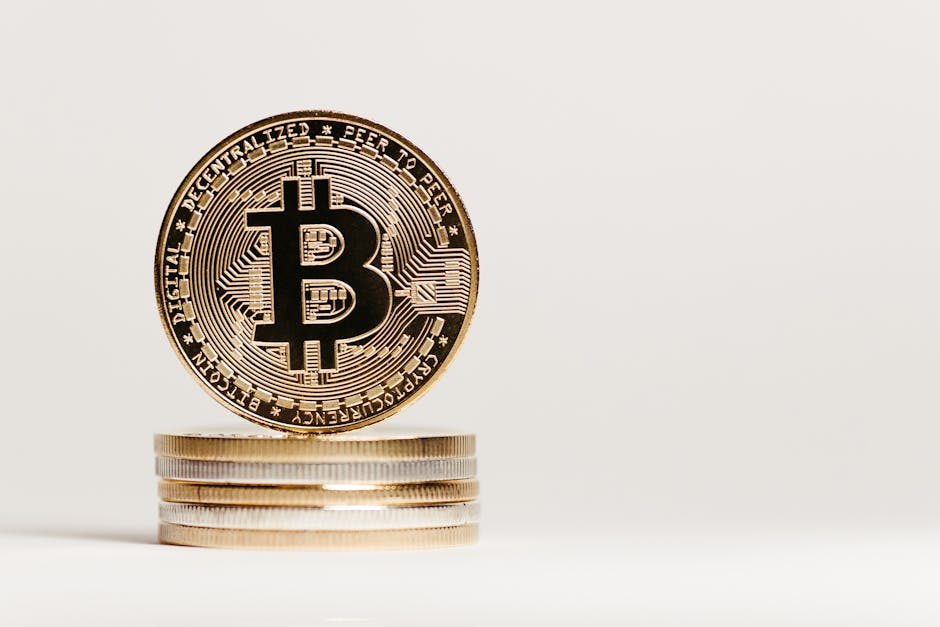
Introduction: Glancing Back, Peering Forward at Bitcoin in 2026
Well, here we are again, staring into the digital crystal ball and wondering—what will Bitcoin in 2026 look like? I bet you remember when just mentioning Bitcoin at a dinner party would get you rolled eyes or a whispered tip about “investing in tulips.” Now, everyone from your grandma to your dentist is talking about wallets, satoshis, and whether they should “buy the dip.” So what awaits Bitcoin in the next few years, especially as we hurtle toward 2026? Let’s buckle in and unpack the data, the drama, and the possibilities.
The State of Bitcoin in 2024: Setting the Stage
Market Performance and Volatility
Before we start fortune-telling, let’s look at where we are today. As of early 2024, Bitcoin’s price has bounced between $40,000 and $70,000, depending on which week you check. Volatility remains Bitcoin’s middle name, but each cycle brings new highs and higher lows. According to CoinDesk’s volatility index, price swings have actually calmed somewhat compared to the wild west days of 2017 or even the pandemic-fueled rollercoaster of 2021.
Adoption Across Industries
Bitcoin is no longer just for techies and libertarian dreamers. El Salvador famously made it legal tender in 2021, and while not every country has followed suit, major companies like Tesla and Square have flirted with BTC payments or treasury holdings. Plus, there’s a booming cottage industry in custody solutions, ETFs, and even Bitcoin-backed loans.
Regulatory Tides
Regulators have played a constant game of catch-up. The U.S. Securities and Exchange Commission approved several spot Bitcoin ETFs, giving traditional investors a way in. On the flip side, China has maintained its ban on crypto trading, while the EU rolled out the MiCA framework to harmonize digital asset regulation. All these moves set the chessboard for what’s next.
Bitcoin Price Predictions for 2026: Hope, Hype, and Hard Numbers
Analyst Forecasts and Models
Predictions for Bitcoin in 2026 are, frankly, a mixed bag. Some bullish models, like the stock-to-flow (S2F) popularized by PlanB, hint at prices north of $200,000, especially factoring in the 2024 and 2028 halving events, which reduce new supply. On the more conservative end, investment banks like JPMorgan suggest Bitcoin could stabilize in the $75,000–$100,000 range, especially if institutional adoption grows at its current pace.
Historical Halving Cycles
Every four years, the Bitcoin block reward is cut in half. Historically, price rallies have followed these halvings, albeit with a lag. The 2024 halving is expected to ripple through the market into 2025 and 2026. Looking at the history of Bitcoin’s halvings, a strong bull run is typical, but timing and magnitude are always uncertain.
Risks and Wild Cards
Of course, not all forecasts are rosy. Risks include regulatory crackdowns, major exchange hacks, or even network-level bugs. But as with any asset, black swan events are, by definition, unpredictable.
Bitcoin’s Technology in 2026: Upgrades and Innovations
The Taproot Upgrade’s Legacy
Taproot, activated in 2021, introduced better privacy and smart contracts. By 2026, we should see even more applications leveraging these features, from privacy wallets to decentralized finance (DeFi) protocols on Bitcoin.
Scaling Solutions
The Lightning Network, Bitcoin’s answer to slow mainnet transactions, has grown from a nerdy experiment to a real-world payment solution. By 2026, expect the Lightning Network to be far more user-friendly, with growing adoption for microtransactions and potentially even machine-to-machine payments.
Beyond Lightning: New Proposals
Developers are always tinkering. Look for sidechains, federated chains, or cross-chain interoperability solutions to emerge, making Bitcoin more versatile while preserving its core security model. The pace of innovation has sped up, especially as rival blockchains push boundaries.
Regulation in 2026: Friend or Foe?
Global Patchwork
If you want to see chaos, look at crypto regulation worldwide. In 2026, expect this patchwork to remain, but with more countries creating clear rules. The need for consumer protection and anti-money laundering controls keeps growing.
U.S. and European Approaches
The United States, with its ETF approvals and IRS reporting requirements, is slowly normalizing Bitcoin. The European Union’s MiCA rules could become a global template, offering legal clarity to businesses and users alike.
Emerging Markets and Experimentation
Don’t ignore the Global South. Countries in Africa and Latin America are leapfrogging traditional banking—sometimes out of necessity, sometimes with government blessing. Bitcoin’s role as a remittance tool and store of value is only set to expand here.
Institutional Adoption: Bitcoin Grows Up
Traditional Finance Joins In
By 2026, it’ll be unusual for a major investment firm not to have some exposure to Bitcoin, whether directly or via derivatives. Pension funds and university endowments are dipping their toes, as reported by The New York Times. This trend is likely to accelerate.
Corporate Treasury Management
MicroStrategy made headlines with its massive Bitcoin buys, but it’s no longer alone. Mid-sized firms and even small businesses are considering holding BTC as a hedge against inflation or currency risk. Expect more mainstream adoption, especially if accounting standards evolve to treat Bitcoin less like a wild speculative bet and more like digital gold.
ETFs and Other Investment Vehicles
With multiple spot and futures-based ETFs approved in the US and abroad, barriers to entry are lower. These instruments give investors exposure without technical headaches like setting up wallets or safeguarding seed phrases. In 2026, expect even more creative products, perhaps even Bitcoin-based life insurance or pension plans.
Retail Use Cases: Spending, Saving, and Sending Bitcoin
Everyday Payments
While buying coffee with Bitcoin may still feel gimmicky, the infrastructure is improving. Apps like Strike and Cash App let users send BTC with minimal fees, sometimes even without them realizing they’re using crypto under the hood. Expect more merchants to experiment with accepting Bitcoin as payment, especially for cross-border transactions.
Remittances and Cross-Border Transfers
Bitcoin’s borderless nature makes it attractive for remittances, which totaled over $600 billion globally in 2022, according to World Bank data. By 2026, using Bitcoin for international payments—skipping middlemen and reducing costs—may be far more common, particularly in countries with unreliable banking systems.
Saving and Hodling
The meme may have started as a typo, but “hodling” is serious business. Long-term holders are growing, and services offering Bitcoin savings accounts or even BTC-denominated mortgages are springing up. As options expand, saving in Bitcoin might become almost as normal as stashing cash in a bank.
Bitcoin’s Environmental Impact: Progress or Peril?
Mining Debate
Bitcoin mining’s environmental impact has long been controversial. Critics argue it guzzles electricity, while supporters point out increasing use of renewables and the unique role miners play in stabilizing power grids. By 2026, the debate will likely shift from raw consumption to carbon intensity and the percentage of green energy used.
Green Mining Initiatives
Some miners are proactively seeking renewable sources. Iceland, Texas, and parts of Africa are seeing new projects powered by hydro, geothermal, or solar energy. Initiatives like the Bitcoin Mining Council aim to track and improve sustainability metrics.
New Technologies and Policy Nudges
Proof-of-work isn’t going away, but more efficient mining chips, better cooling methods, and even political incentives (like carbon credits) could make Bitcoin mining cleaner. By 2026, don’t be surprised if the average Bitcoin block is “greener” than ever before.
Bitcoin Security: Staying Safe in a Digital Frontier
Wallets and Custody Solutions
If you’re still stashing your seed phrase under the mattress, you’re missing out. By 2026, expect more secure and user-friendly wallet solutions, from multi-signature setups to biometrics and social recovery. Companies are fighting to make losing your Bitcoin as unlikely as forgetting your Netflix password.
Institutional-Grade Security
Custodians like Coinbase and BitGo have set the bar high, offering insurance and robust controls for institutional investors. As more big players enter the space, standards will keep rising. Expect third-party audits and certifications to become the norm.
Risks: Hacks, Scams, and Phishing
With opportunity comes risk. Phishing, social engineering, and exchange hacks haven’t disappeared, and new scams will keep emerging. Education and awareness campaigns are ramping up, but users must stay vigilant in 2026 and beyond.
Bitcoin and Geopolitics: Currency Wars and Digital Sovereignty
Global Reserve Aspirations
Some dream of Bitcoin as the next global reserve currency. While that’s probably a stretch by 2026, central banks are watching closely. Bitcoin’s ability to move billions across borders in minutes worries some governments—and excites others, especially those facing currency crises or sanctions.
CBDCs and Competition
Central Bank Digital Currencies (CBDCs) are rolling out worldwide. Rather than a replacement, they’re often seen as competition or complements to Bitcoin. By 2026, we’ll see clearer distinctions between permissioned, government-backed digital money and decentralized, permissionless assets like BTC.
Bitcoin as a Hedge
Countries under sanctions, or facing hyperinflation, may increasingly turn to Bitcoin as an escape valve. It’s already playing this role in places like Nigeria and Venezuela. In 2026, expect Bitcoin to keep popping up in geopolitical headlines.
Media, Culture, and Bitcoin’s Place in Society by 2026
Mainstream Narratives
Bitcoin’s days as a fringe curiosity are over. Movies, TV shows, and even late-night hosts reference it. Cultural acceptance brings both legitimacy and new scrutiny; expect more nuanced debates about its role in society, not just “is it a scam?” or “will it make me rich?”
Influencers and the Meme Economy
From Michael Saylor to “Laser Eyes” Twitter, personalities drive discourse. By 2026, expect a new crop of influencers shaping opinion, and perhaps more sophisticated public engagement with Bitcoin’s pros and cons.
Education and Awareness
Universities are offering blockchain courses; high schoolers talk about Bitcoin mining at lunch. By 2026, crypto literacy will be higher, but misconceptions will linger. Reliable educational content will be more important (and hopefully more fun) than ever.
Bitcoin and Decentralized Finance (DeFi): The Next Frontier
DeFi on Bitcoin
Ethereum may have pioneered DeFi, but Bitcoin is catching up. Protocols like RSK and Stacks are bringing lending, borrowing, and stablecoins to Bitcoin’s ecosystem. By 2026, expect more seamless ways to use your BTC in DeFi apps, without jumping through technical hoops.
Interoperability Trends
Cross-chain bridges, wrapped tokens, and atomic swaps are making it easier to use Bitcoin with other blockchains. As standards evolve, Bitcoin will likely become a key piece in the wider DeFi puzzle.
Risks and Rewards
DeFi’s promise comes with risk—code bugs, rug pulls, and regulatory uncertainty. But by 2026, better security practices, audits, and insurance products will likely emerge, making DeFi on Bitcoin safer and more accessible.
Taxation and Accounting for Bitcoin in 2026
Tax Reporting Requirements
Tax authorities aren’t blind to Bitcoin’s rise. By 2026, most developed countries will have detailed reporting requirements. Expect integrations between exchanges and tax authorities, making it harder to fudge your crypto gains (or losses).
Accounting Standards
For businesses, accounting for Bitcoin has been a headache. New standards are likely to emerge, treating BTC more like a financial asset rather than “intangible property.” This should boost adoption, as companies can better reflect Bitcoin holdings on their balance sheets.
Tax-Efficient Products
Bitcoin IRAs, trusts, and tax-advantaged accounts are multiplying. By 2026, advisors who ignore crypto are ignoring reality, and new financial products will make tax planning with Bitcoin easier for everyone.
Bitcoin in 2026: Key Opportunities and Challenges
Opportunities on the Horizon
- Financial inclusion: Bitcoin offers banking to the unbanked.
- Inflation hedge: As fiat currencies wobble, BTC’s scarcity shines.
- New tech: Lightning, sidechains, and cross-chain tools mean new use cases.
Major Challenges Remain
- Regulatory risk: Sudden crackdowns could spook markets.
- Scalability: Despite improvements, Bitcoin’s throughput lags competitors.
- Perception: Skepticism and misinformation persist in mainstream media.
Balancing Hype and Reality
The truth, as always, lies somewhere in between. Bitcoin in 2026 will not be a panacea, but neither will it be a footnote. It’ll be an increasingly influential part of the global financial and cultural landscape.
Bitcoin in 2026: My Personal Take
A Journey from Skepticism to Conviction
Confession: I was once the person warning friends not to “throw money at internet coins.” Over the years, as I’ve watched Bitcoin weather storms and draw in everyone from Nobel laureates to my local plumber, I’ve changed my tune. It’s not just about number go up, but about reshaping how we think about money and value.
How I’m Preparing for 2026
Here’s what I’m doing: diversifying my portfolio, keeping an eye on regulatory trends, and staying updated through reliable sources like CoinDesk and Reuters’ cryptocurrency coverage. I’m experimenting with small Lightning payments and watching DeFi projects on Bitcoin with cautious optimism.
Final Thoughts
In 2026, Bitcoin won’t be just an investment—it’ll be part of how people transact, save, and even socialize. But it’ll remain a space where caution and curiosity go hand in hand. As always, do your own research, and remember: Not your keys, not your coins!
Key Takeaways
- Bitcoin in 2026 will likely see wider adoption, more regulation, and improved technology.
- Price predictions range widely, but institutional and retail adoption are set to increase.
- Regulatory clarity, user-friendly tools, and environmental progress will shape Bitcoin’s trajectory.
- Risks remain, especially around security and policy, but opportunities abound for those who stay informed.
Frequently Asked Questions
- Will Bitcoin be a good investment in 2026?
Past performance isn’t a guarantee, but with increasing adoption and new financial products, many believe Bitcoin will remain relevant. Still, volatility and regulatory risk should be considered. - How will Bitcoin’s environmental impact change by 2026?
Expect more renewable energy in mining and better transparency. The debate will likely shift toward measuring carbon intensity rather than just electricity use. - Is it too late to buy Bitcoin?
Market cycles repeat, but new users join every year. As with any asset, timing matters less than understanding your own risk tolerance and goals. - What’s the biggest risk for Bitcoin in 2026?
Regulatory crackdowns or major security breaches could cause setbacks. Diversification and staying informed are key strategies.
Conclusion
Bitcoin in 2026 promises more excitement, opportunity, and yes, a little drama. While nobody can predict the future with certainty, all signs point to Bitcoin becoming an even larger force in finance, technology, and culture. Whether you’re holding, building, or just spectating, the next chapter will be worth watching. And hey—at the very least, you’ll have something to talk about at your next dinner party.
Sources
- CoinDesk
- Wikipedia: Bitcoin
- European Council: Crypto-Assets
- World Bank: Remittances Data
- NYT: Bitcoin and Institutional Investors
For more on crypto trends and strategies, check out our guides to the latest crypto regulations and blockchain technology breakthroughs.