Understanding Bitcoin’s Energy Consumption
Bitcoin, the world’s first and most renowned cryptocurrency, has long been at the forefront of discussions about energy consumption. The process of mining Bitcoin requires vast amounts of computational power, which in turn, consumes a significant amount of energy. This has led to concerns about the environmental impact associated with Bitcoin mining.
The Mining Process Explained
Bitcoin mining involves solving complex mathematical puzzles to validate transactions on the network. This process is known as proof-of-work (PoW). The miners use specialized hardware to solve these puzzles, and the first one to solve it gets to add a new block to the blockchain, earning Bitcoin as a reward. This competitive nature of mining drives the need for powerful and energy-intensive hardware.
Current Energy Consumption Statistics
As of 2023, Bitcoin’s annual energy consumption is estimated to be more than 120 terawatt-hours. This amount is comparable to the energy consumption of entire countries, like Argentina or the Netherlands. The carbon footprint of Bitcoin is also significant, raising concerns about its sustainability in the long run.
Environmental Impacts and Criticisms
The energy-intensive nature of Bitcoin mining has drawn criticism from environmentalists and policy-makers. The heavy reliance on fossil fuels in certain regions exacerbates the carbon emissions associated with mining activities. Additionally, the electronic waste generated from obsolete mining hardware adds to the environmental challenges.
Carbon Emissions
The carbon footprint of Bitcoin mining is considerable, with estimates suggesting that it could contribute to over 90 million tons of CO2 annually. This figure is particularly alarming given the current global push for carbon neutrality and sustainability.
E-waste Generation
Mining hardware becomes obsolete quickly due to rapid advancements in technology. The discarded hardware contributes to electronic waste, posing a challenge for waste management and environmental sustainability.
Exploring Future Solutions for Sustainability
To address these concerns, several solutions and innovations are being explored to make Bitcoin mining more sustainable. These include the transition to renewable energy sources, the development of more efficient mining technologies, and changes in the consensus mechanism.
Adoption of Renewable Energy
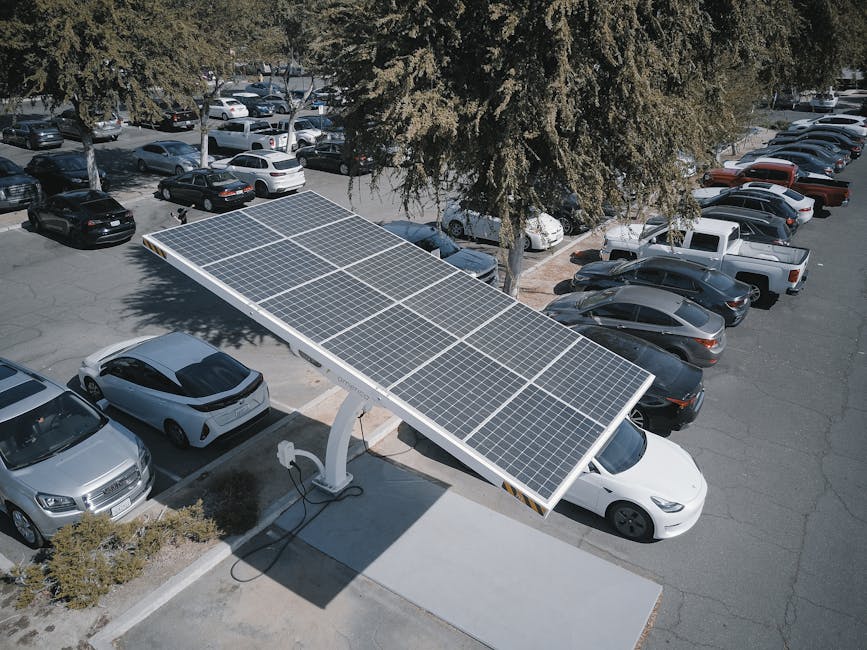
One of the most promising solutions is the transition to renewable energy sources. By using solar, wind, hydroelectric, and geothermal energy, miners can reduce the carbon footprint of their operations significantly. Several mining operations are already moving to regions with abundant renewable energy resources.
Improving Mining Efficiency
Advancements in mining technology can lead to a reduction in energy consumption. Developing more efficient mining hardware and optimizing algorithms can help lower the energy requirements of mining operations.
Transitioning to Proof-of-Stake
An alternative to the energy-intensive PoW is the proof-of-stake (PoS) mechanism. PoS requires validators to hold and “stake” their cryptocurrency holdings to validate transactions. This process consumes far less energy and is seen as a sustainable alternative for blockchain networks.
Key Takeaways
- Bitcoin’s energy consumption is significant, with its environmental impact drawing criticism.
- The primary concerns include high carbon emissions and e-waste generation.
- Future solutions for sustainability include a shift to renewable energy, efficient mining technology, and alternative consensus mechanisms like proof-of-stake.
Conclusion
While Bitcoin’s energy consumption poses challenges, the exploration of sustainable solutions offers hope for the future. As the world moves towards greener technologies, the cryptocurrency industry, including Bitcoin, must adapt to remain viable and environmentally responsible. By embracing renewable energy, improving mining technology, and considering alternative consensus mechanisms, Bitcoin can align with global sustainability goals.