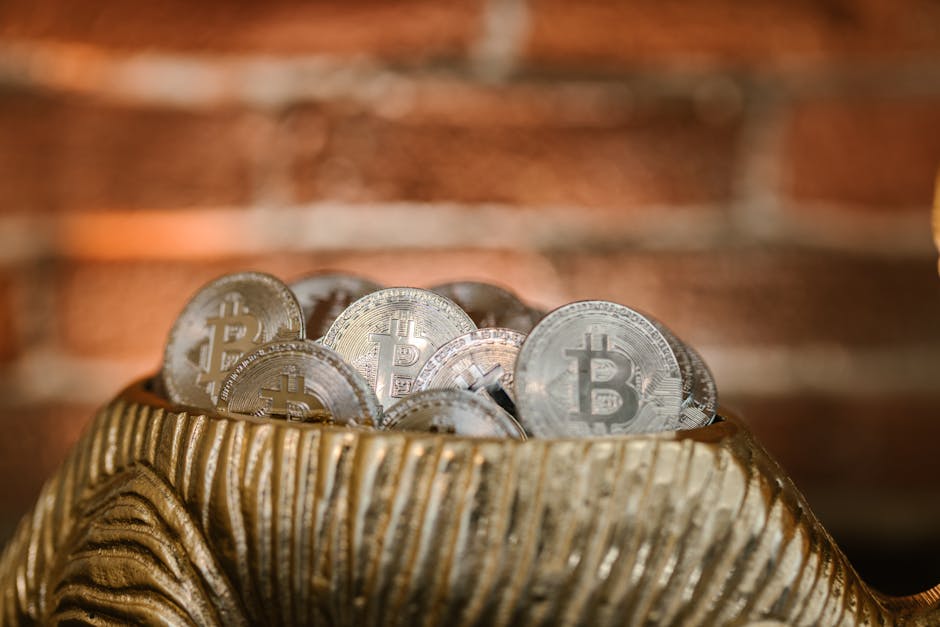
Introduction: My First Encounter with Bitcoin
Let me take you back to 2014: I was in a cramped dorm room, procrastinating on finals, when a friend asked if I’d heard about this “magic internet money” called Bitcoin. At the time, all I knew was that the price kept popping up in tech headlines, and that a crazy pizza transaction had made someone very rich — or very foolish, depending on your perspective. Fast forward to today, and Bitcoin is a global phenomenon, the subject of heated dinner table debates, and something my grandmother now asks about (no joke!). If you’re new to the world of crypto or looking for a fresh, personal perspective, buckle up—let’s explore what really makes Bitcoin tick, why it matters, and how it might impact your life.
What Exactly Is Bitcoin? (And Why Should You Care?)
The Basics, Minus the Jargon
Bitcoin is a decentralized digital currency—meaning there’s no central bank, government, or company controlling it. You can send it directly from person to person over the internet, without needing a bank to approve the transaction. It’s built on something called blockchain technology, which is basically a super-secure, public digital ledger. Every transaction gets recorded, visible to everyone, and (theoretically) impossible to fudge. If you want the official line, you can check out Bitcoin’s own primer on how it works.
Bitcoin’s Mission: Money Without Middlemen
The big, revolutionary idea? Trustless money. You don’t need to trust a company, a government, or a banker. As long as you trust math and majority consensus, you’re golden. This is huge for people in countries with shaky currencies or restrictions on financial freedom. For a deeper dive into the philosophy, see the Wikipedia page on Bitcoin.
How Does Bitcoin Actually Work?
Mining: The Weird, Wild World of Bitcoin Creation
Back in the early days, you could “mine” Bitcoin on a laptop—essentially helping run the network in exchange for new coins. Today, it’s a whole industry. Mining now means farms of supercomputers racing to solve math problems. Whoever solves one first adds a new block to the blockchain and gets paid in Bitcoin. For every 10 minutes, a new block is created, and with it, new Bitcoins—up to a hard cap of 21 million (no more!). If you want to see some mind-blowing visuals of modern mining farms, check out this CNBC photo essay.
Sending and Storing Bitcoin: Wallets, Keys, and QR Codes
To own Bitcoin, you have a “wallet” — it’s really a pair of cryptographic keys. Your public key is like your email address (people use it to send you Bitcoin), and your private key is like your password (you use it to spend or send your coins). Lose your private key, and your Bitcoin is gone forever. Stories of lost hard drives and forgotten passwords have become crypto legend! For an overview of wallet options, Investopedia covers Bitcoin wallets in detail.
Why Has Bitcoin Become So Popular?
The Allure of “Digital Gold”
Bitcoin is often called digital gold because, like gold, it’s scarce (remember that 21 million-coin cap) and people see it as a hedge against inflation. If central banks print too much money, your dollars can lose value. Bitcoin, in theory, can’t be inflated away. This narrative has drawn in everyone from millennial investors to Wall Street giants.
Borderless Payments and Financial Inclusion
Sending money overseas? Traditional banks might charge fees, impose delays, or block the transaction. With Bitcoin, anyone with an internet connection can send or receive money globally—sometimes in minutes, not days. This is a game-changer for the unbanked—over 1.7 billion people worldwide, according to the World Bank financial inclusion report. For them, mobile crypto wallets may be their first real taste of financial freedom.
The Volatility Factor: Triumphs, Tumbles, and My Heart Rate
Wild Price Swings: The Emotional Roller Coaster
Let’s get real: Bitcoin’s price can soar or plummet in a matter of hours. In late 2017, it spiked to nearly $20,000, then crashed to $3,000 within a year. In 2021, it cracked $60,000—only to tumble again. If you’re investing, prepare for a wild ride. One study by The New York Times highlights how market news, tweets, and regulatory rumors can send prices spinning.
Market Manipulation: Whales and FOMO
Because Bitcoin isn’t regulated like stocks, big players (so-called “whales”) can manipulate prices by making huge trades. Social media hype—think Elon Musk tweets—can trigger waves of “FOMO” (fear of missing out) and panic-selling alike. If you’re new, don’t bet rent money on crypto!
Is Bitcoin Really Secure? Risks and Realities
The Blockchain Is (Almost) Unhackable
The underlying blockchain has never been hacked. It’s a marvel of modern cryptography. But the ecosystem around Bitcoin—like exchanges and wallets—has suffered high-profile hacks. Remember the infamous Mt. Gox collapse? Over 800,000 Bitcoins, poof. The lesson: not your keys, not your coins.
Regulation, Scams, and Uncertainty
Some countries have embraced Bitcoin (hello, El Salvador), while others have banned or restricted it. Always check local laws before buying in. Scams are rampant: phishing attacks, fake exchanges, and Ponzi schemes. Trusted resources like the U.S. SEC’s investor alerts are crucial reading for newcomers.
How to Get Started With Bitcoin (Without Losing Your Mind)
Choosing an Exchange
You’ll need to sign up with a Bitcoin exchange to trade dollars (or your local currency) for Bitcoin. Big names like Coinbase, Binance, and Kraken have robust security and lots of educational materials. Always enable two-factor authentication and start with small amounts.
Storing Your Coins Safely
For small amounts, keeping Bitcoin in your exchange account is fine. For larger holdings, consider a hardware wallet—think of it as a digital safe. Write down your recovery phrase and stash it somewhere safe (but not so safe you forget it!). For a deeper look at wallet security, our crypto security guide is a must-read.
The Future of Bitcoin: Hype or Here to Stay?
Adoption by Mainstream Companies
More and more companies now accept Bitcoin for payments, from big brands like Microsoft to boutique coffee shops. Financial giants like PayPal and Square support crypto transactions. This growing acceptance suggests Bitcoin isn’t just a tech fad—it’s rapidly integrating into the global economy.
Innovation and Evolution
The Bitcoin community is constantly evolving. Developers propose upgrades, like the Lightning Network (for faster, cheaper payments) and taproot upgrades (for privacy and efficiency). For a comprehensive tech overview, visit Coindesk’s Learn Center.
Will Bitcoin become internet money for everyone, like some hope? Or will it remain a store of value for true believers? Only time (and probably a few more wild price swings) will tell. For now, it’s smart to stay curious, cautious, and informed. If you want to learn more about other digital currencies, check out our guide to crypto basics.
Conclusion
Diving into Bitcoin is a bit like learning to surf: exhilarating, sometimes terrifying, but always fascinating. I’ve watched friends make (and lose) small fortunes, seen new technology spring up almost overnight, and witnessed the global conversation about money change forever. Whether you’re a cautious observer, an eager investor, or just crypto-curious, understanding Bitcoin is now table stakes for navigating our digital world.
Remember, Bitcoin isn’t a guaranteed path to riches—it’s a powerful tool with real risks and rewards. If you decide to get involved, start slow, stay skeptical, and keep learning. The journey is wild, but knowledge is your best defense. Ready to ride the crypto wave? Stay informed, stay safe, and maybe, just maybe, you’ll find your own magic internet money story to share.