The Growing Debate on AI Data Centers and Energy Use
As artificial intelligence (AI) continues to drive technological advancement, the environmental impact of the infrastructure supporting these systems has come under scrutiny. Bernie Sanders has called for a temporary halt on constructing massive data centers—critical facilities powering advanced AI systems such as OpenAI’s GPT and Claude—citing their enormous energy consumption and strain on power grids.
These hyperscale facilities, operated by tech giants like Microsoft, Google, and Amazon, consume energy comparable to that of small nations. Sanders argues that pausing their construction will allow policymakers to evaluate the environmental, social, and geopolitical implications of unchecked AI growth.
Vitalik Buterin’s Perspective: A Smarter Path Forward
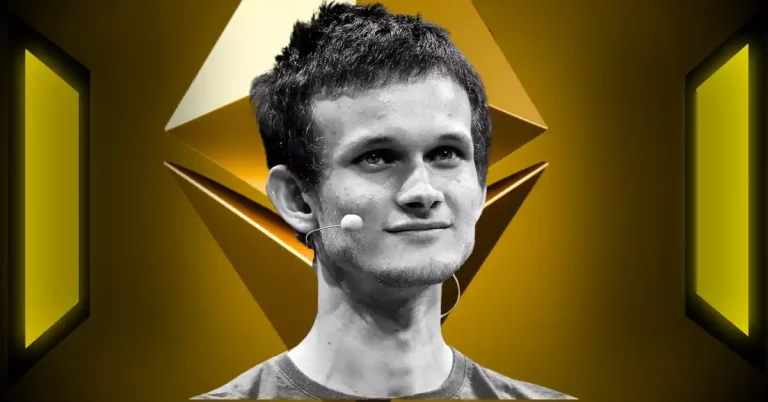
However, Ethereum co-founder Vitalik Buterin disagrees with Sanders’ proposal. He believes that simply halting the construction of data centers won’t address the root issues. In his view, the focus should shift toward building energy-efficient AI models and decentralized infrastructures.
Buterin suggests the development of a “pause button”—an emergency mechanism capable of reducing AI computing power by 90-99% in critical situations, such as in cases of rogue AI behavior or military misuse. He draws comparisons to circuit breakers in blockchain networks, which momentarily halt activity to prevent systemic risks.
Decentralized AI: A Sustainable Alternative?
In his post, Buterin emphasizes the potential of decentralized systems to reduce energy reliance on massive, centralized data centers. Drawing inspiration from the blockchain industry, where Ethereum transitioned from proof-of-work to proof-of-stake, Buterin points to projects like Bittensor and AI tools on Solana, which utilize idle GPUs globally to create a more sustainable alternative.
Adopting similar strategies in AI could democratize the technology, enabling researchers and smaller organizations to innovate without the environmental downsides of centralized infrastructures. He also highlights the risk that companies might bypass restrictions by relocating to countries with lenient regulations or splitting large data centers into smaller, undisclosed operations.
Environmental and Geopolitical Challenges
One of the core challenges in regulating AI infrastructure is the global nature of technology. Buterin notes that enforcing a 90-99% reduction in computing power would require international cooperation akin to nuclear disarmament treaties. Without strict global monitoring, companies may exploit loopholes, further complicating enforcement efforts.
What Does This Mean for the Future?
If Sanders’ proposal gains traction, it could accelerate the development of smaller, more decentralized AI systems. This shift might also create opportunities for the crypto industry to play a more significant role in AI innovation. For instance, blockchain networks’ ability to optimize resources and reduce energy consumption could align with the growing need for eco-friendly AI solutions.
How You Can Stay Informed
As this discussion evolves, staying informed about potential regulations and innovations in AI and blockchain technology is crucial. Energy-efficient AI solutions, such as decentralized systems and alternative power sources, offer a glimpse into a more sustainable tech future. For those interested in keeping their personal computing devices energy-efficient, products like the MacBook Air (known for its low energy use) are excellent examples of how individuals can contribute to sustainability.