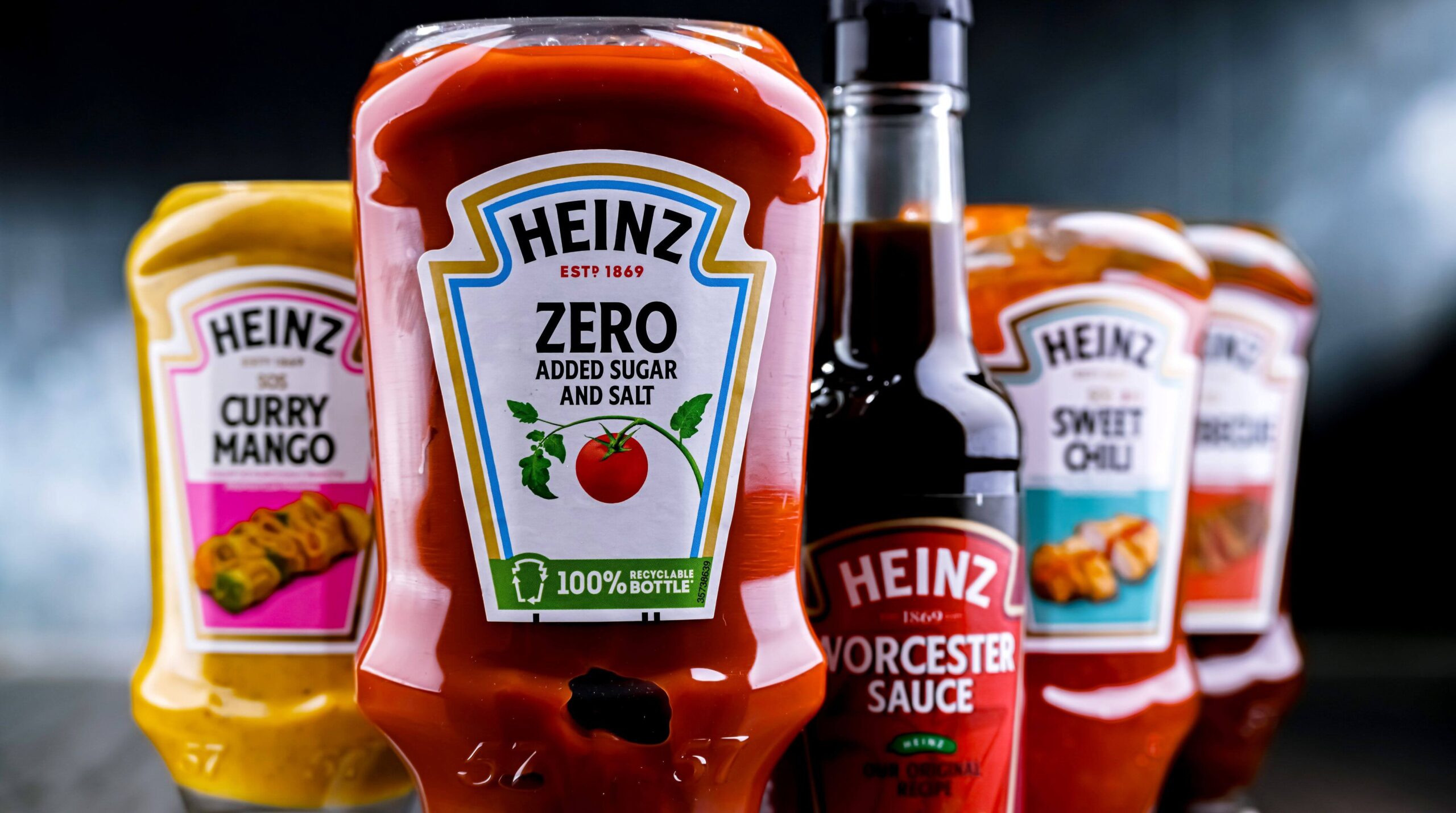
Kraft Heinz is back in the spotlight, and not for reasons investors might celebrate. In a surprising move, Berkshire Hathaway, the conglomerate led by Warren Buffett, has filed for the potential divestiture of its 27.5% stake in the food giant. The stake, worth an estimated $7.7 billion based on current market prices, marks the beginning of the end of a nearly decades-long investment considered among Berkshire’s costliest mistakes.
What Went Wrong with Kraft Heinz?
The issues underlying this decision are rooted in consumer preferences and management missteps. After merging Kraft Foods and H.J. Heinz in 2015 with the help of private equity firm 3G Capital, Berkshire Hathaway painted an optimistic picture of growth. However, shifting consumer trends, specifically toward healthier and fresher foods, led to diminishing demand for Kraft Heinz’s signature processed and packaged offerings.
Adding to the challenges, the lack of investment in product innovation and brand revitalization left the company scrambling to compete in an increasingly competitive landscape. Sales suffered, margins tightened due to food inflation, and fiscally-conscious shoppers looked elsewhere. By 2024, annual sales had plummeted by 3%, while rising product prices alienated core customers.
Berkshire Hathaway’s Regretful Investment
Warren Buffett hasn’t shied away from calling the Kraft Heinz investment a mistake. Berkshire Hathaway’s struggles with the company speak volumes. Losses began to mount as early as 2019 with an initial $3 billion write-down. This was followed by a staggering $3.76 billion impairment in 2025, together totaling $6.76 billion in unrealized losses for the conglomerate. For a company revered for its astute investment decisions, this loss is noteworthy for investors watching Buffett’s every move.
Kraft Heinz’s Plans for a Turnaround
The food manufacturer announced its intention to split operations into two separate entities—a grocery division and a sauces business—by 2026. This restructuring aims to streamline operations and help each business acquire a more tailored growth strategy. Despite these moves, analysts remain skeptical about the long-term success of this restructuring, especially in light of Berkshire Hathaway’s apparent disinterest in sticking around to witness the results.
What Does This Mean for Investors?
With a long history of struggles, Kraft Heinz’s stock performance continues to underwhelm. In fact, the stock price has dropped 19.4% over the past year. Analysts currently rate KHC a “Hold” with a modest average price target of $25.38, reflecting a 6.8% potential upside. Although the planned split could add slight operational efficiencies, the company faces an uphill battle in recapturing market trust and consumer preference.
Looking for healthier and innovative food alternatives? Brands such as Beyond Meat have been gaining significant traction among health-conscious consumers. Diversifying your grocery line-up with plant-based options by brands like this might be something forward-looking customers consider.
Conclusion
Berkshire Hathaway’s exit from Kraft Heinz signals a major shift and underscores the challenges traditional food producers face in maintaining relevance in a dynamic market. Consumers and investors alike should keep a close eye on the company’s restructuring efforts and consider broader market trends toward innovation, health, and sustainability in their decisions.