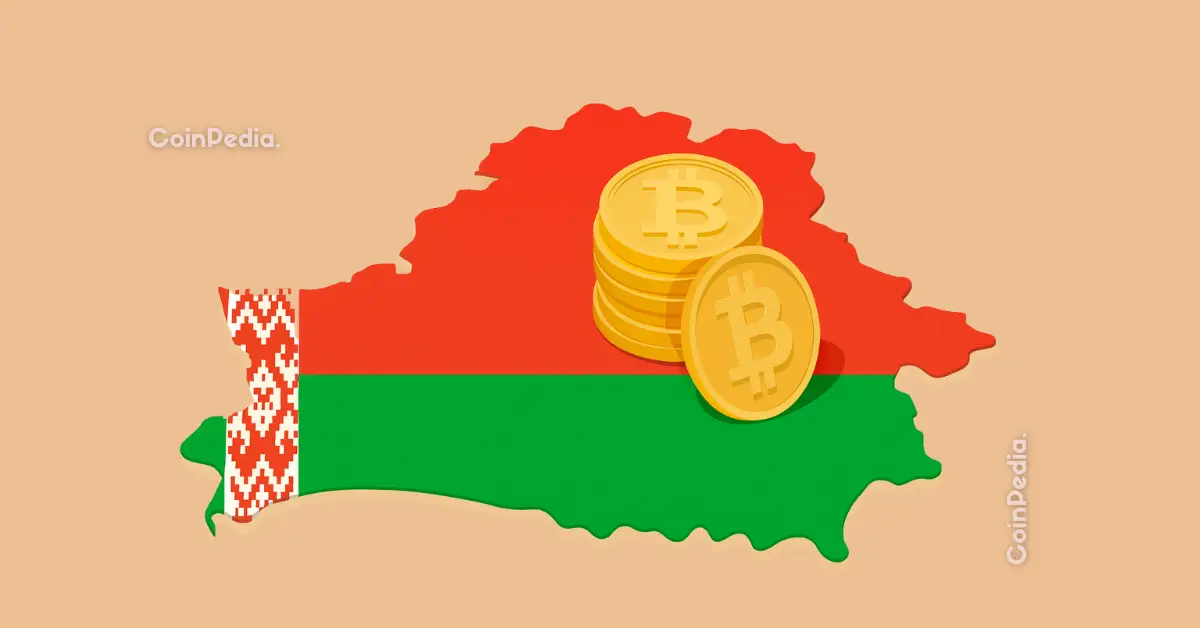
Belarus has made a significant move in the financial world by formally legalizing crypto banks. This strategic decision, championed by President Alexander Lukashenko through a signed decree, allows financial institutions registered in Belarus’ High-Tech Park (HTP) to offer cryptocurrency services. These services, ranging from deposits and transfers to loans, are provided under strict regulatory oversight. But what does this mean for the adoption of digital assets in the country?
What Are Crypto Banks in Belarus?
Crypto banks in Belarus aren’t your typical commercial banks. Instead, they operate as non-bank financial institutions under the governance of the HTP. To ensure tight regulatory control, all crypto banks must be listed in a special registry maintained by the National Bank of Belarus. This framework ensures compliance and reduces the risk factors often associated with the volatile crypto market.
For local users and businesses, this provides a gateway to hybrid financial products seamlessly bridging fiat currency with cryptocurrencies. Users can expect smoother transactions, faster settlements, and enhanced flexibility in payments compared to traditional banking systems.
The Impact of Regulated Crypto Banking
Under this new policy, crypto banks are required to maintain full fiat currency backing. While this reduces operational risks and promotes transparency, it also limits the flexibility often associated with decentralized finance (DeFi) systems. Reports suggest that this controlled environment aims to attract businesses looking for reliable and state-regulated crypto alternatives.
This development reflects the global trend toward tokenization, blockchain integration, and digital asset adoption. Recent data suggests that over 50% of major financial institutions worldwide are already investing in blockchain technologies. From digital asset tokenization to crypto custody services, the financial ecosystem is steadily transitioning toward on-chain models.
Balancing Innovation and Control
While the legalization marks a progressive step, analysts urge caution. Belarus’ crypto bank framework is designed more for state control than for open adoption of decentralized currencies like Bitcoin. Strict regulations and the ban on major foreign exchanges suggest that this move is not about embracing global crypto markets but about keeping capital flows channeled through approved institutions.
According to crypto analyst Brian, this approach may be less about technological innovation and more about navigating international economic sanctions while maintaining financial sovereignty. The real test will be whether Belarus’ regulated approach can attract foreign investment or if it creates a closed-loop system without scaling globally.
Still, this initiative offers insights into how governments can balance the benefits of blockchain integration with the need for control and oversight. If successful, Belarus could serve as a unique model for other nations dealing with similar regulatory challenges.
Recommended Product
If you’re a crypto enthusiast interested in exploring the benefits of blockchain, check out the Ledger Nano X, a leading hardware wallet for secure crypto storage. It’s an excellent way to manage your assets while staying ahead in the ever-evolving crypto ecosystem.