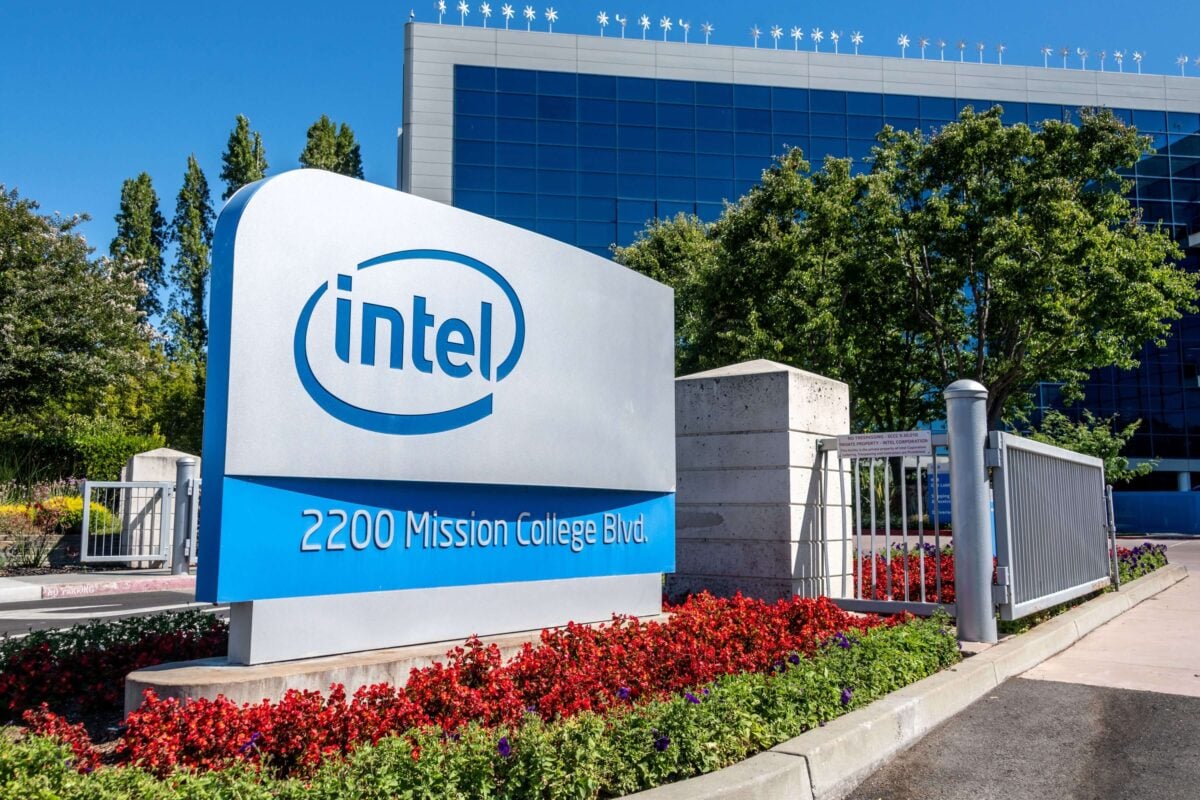
Apple and Intel’s New Chip Deal: What’s Happening?
Tech enthusiasts were abuzz last week after Intel Corporation’s stock surged by 10% on Friday, maintaining most of these gains by Monday. The catalyst? Predictions from TF International Securities analyst Ming-Chi Kuo regarding a potential Apple-Intel partnership. Kuo suggests that Intel could begin supplying Apple with its lowest-end M processors as soon as Q2 or Q3 of 2027.
Breaking Down Apple’s Chip Strategy
Currently, Apple relies exclusively on TSMC for the production of its silicon chips, which power devices like the iPhone, iPad, and Mac. TSMC, a dominant force in advanced chip manufacturing, is expected to maintain its position as Apple’s primary chip supplier, according to Kuo. However, this deal with Intel hints that Apple may diversify its suppliers, especially for lower-end products, aligning with the U.S.’s push for domestic manufacturing.
While Apple is likely to remain heavily dependent on TSMC’s cutting-edge technology for its higher-end chipsets, the collaboration with Intel has broader implications. It showcases Apple’s willingness to support U.S.-based manufacturing initiatives, which carry significant political weight.
What This Means for Intel
This partnership represents a critical opportunity for Intel, which has struggled in recent years to regain its foothold in the chip market. By securing Apple as a customer, even for lower-end processors, Intel validates its advanced-node foundry capabilities. According to Paul Markham of GAM Global Equities, this deal could pave the way for future, higher-value collaborations with Apple, such as producing iPhone CPUs.
Additionally, if the partnership proves successful, it could attract other major chip designers to Intel’s foundry services, creating a ripple effect across the tech industry. Intel’s process design kit, set to release in 2026, will be a critical milestone, enabling Apple engineers to start designing chips for Intel’s manufacturing processes.
Stock Market Movements and Industry Reactions
Following Kuo’s report, Intel’s stock climbed to $18.23 as of Monday’s early trading hours. Although the stock retraced some of its gains, the long-term implications of the potential deal kept market sentiment strong. Analysts see this as a turning point, marking Intel’s efforts to ramp up its U.S. manufacturing capabilities and re-enter the competitive semiconductor landscape.
A Recommended Read for Tech Investors
If you’re intrigued by the dynamic world of chip manufacturing, don’t miss the chance to expand your knowledge. Chip War: The Fight for the World’s Most Critical Technology, a book by Chris Miller, provides deep insights into the semiconductor industry and its geopolitical implications.
Looking Ahead
For now, the timeline of the Apple-Intel partnership hinges on Intel’s ability to release its process design kit by early 2026. If all goes as planned, we could see the first shipments of Intel-manufactured M processors for Apple by 2027.
As for TSMC, the deal is unlikely to undercut its dominance immediately. Still, the collaboration demonstrates Apple’s strategy to hedge its bets and diversify its supply chain, particularly amidst global trade uncertainties and rising calls for U.S.-based production.
This evolving relationship between Apple and Intel deserves close attention from investors, tech enthusiasts, and geopolitical analysts alike. Stay tuned as the semiconductor industry continues to shape the future of technology.