The cryptocurrency market is experiencing significant turbulence, with altcoins facing a severe liquidity crisis. Ki Young Ju, CEO of CryptoQuant, recently raised an alarm about the future of altcoins, emphasizing the dwindling liquidity in the sector. According to him, only tokens backed by digital asset treasuries (DATs) or exchange-traded funds (ETFs) stand a chance in this challenging market.
What’s Behind the Altcoin Liquidity Crisis?
As history often shows, the cryptocurrency market moves in cycles. Analysts predict that before a major recovery in 2026, the market could face another significant downturn. With many altcoins already down 70%-90% from their peak levels in late 2024, the outlook appears grim without innovative solutions, such as DATs and ETFs, to attract fresh liquidity.
Ju highlighted, “If your altcoin is not playing the liquidity game, its long-term risk is likely high.” His observations come at a time when different altcoins are exhibiting varied performance trends, making it clear that liquidity management will define survival moving forward.
Role of DATs and ETFs: Help or Hindrance?
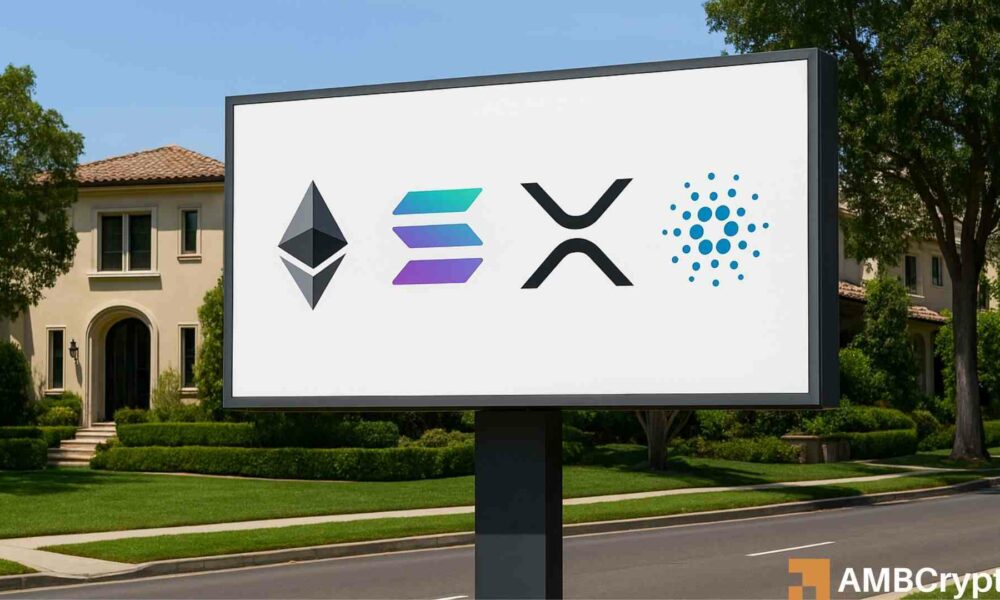
DATs and ETFs are emerging as potential lifelines for altcoins. These tools create demand for tokens by linking them to tangible investment funds. For instance, certain crypto assets like Ethereum (ETH) and Solana (SOL) have both DATs and ETFs, helping sustain investor interest. However, they are not without controversy. Some critics argue DATs allow venture capitalists to hedge their holdings and quickly liquidate during market crashes, further escalating sell-offs.
Real-life examples illustrate this fear. Recently, companies like SharpLink sold large amounts of Ethereum to improve their market-to-net-asset-value (mNAV). Such instances raise concerns about the stability of these mechanisms, as they may contribute to market liquidity pressures during broader sell-offs.
A Look at Recent Altcoin Performance
The market behavior reflects these liquidity dynamics. So far in 2025, Ethereum has dropped by 16%, while Solana has declined by 32%, both despite benefiting from DATs and ETFs. In contrast, Cardano (ADA) suffered a 60% dip without such support, whereas Bitcoin Cash (BCH) rose by 16% within the same period.
Meanwhile, the broader altcoin market recorded a staggering $600 billion loss. Market sentiments, tracked through the altcoin season index, dropped to a reading of 24, signaling a Bitcoin-dominant phase. These statistics underline how the absence or inefficiency of DATs and ETFs can severely impact altcoin trajectories.
What Lies Ahead?
The survival of altcoins hinges on strategic moves towards building resilient liquidity frameworks. Incorporating DATs and ETFs can potentially offer more stability, but these avenues remain a double-edged sword. Investors are advised to do thorough research and keep a close watch on market developments.
For anyone navigating the world of cryptocurrency trading, tools like the Ledger Nano X, available here, provide a safer way to store digital assets during turbulent times. With industry trends leaning towards cautious optimism, staying informed and prepared is key.
Disclaimer: All investment decisions should be taken after consulting with a certified financial advisor. This article is intended for informational purposes only and does not constitute investment advice.