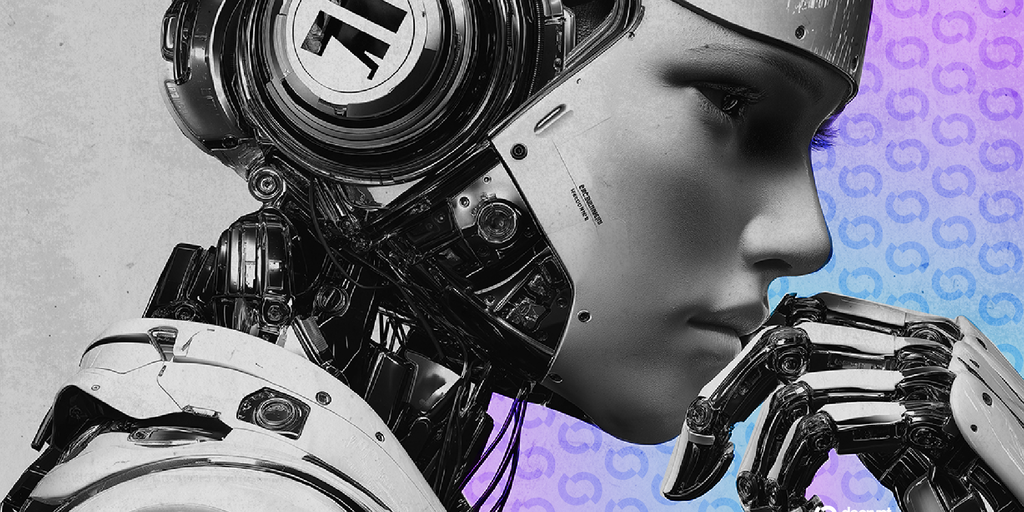
In today’s rapidly advancing world of artificial intelligence (AI), it’s easy to get swept away by promises of a utopian future. However, media theorist Douglas Rushkoff warns that these optimistic visions pushed by tech billionaires might mask deeper fears and self-serving motives.
The Contradictions Beneath AI Narratives
Douglas Rushkoff, a renowned professor of media theory at Queens College/CUNY and author of Team Human and Survival of the Richest, recently shared his views in an interview on the Repatterning Podcast. He argued that the tech elite’s public focus on AI as a world-saving tool contrasts sharply with their private actions, such as building luxury bunkers and investing in space colonization plans. These actions, he claims, reveal a lack of faith in the very technologies they are promoting.
“The billionaires are afraid of having to deal with the repercussions of their own actions,” Rushkoff explained, highlighting the hypocrisy of promoting AI as humanity’s salvation while preparing for social and environmental collapse.
Hidden Labor and Environmental Costs of AI
Advocates of AI frequently tout its ability to revolutionize industries and reduce human labor. However, Rushkoff emphasizes that while AI transforms work, it often shifts tasks to less visible and more exploitative forms.
“AI isn’t eliminating labor. It’s downskilling it,” he argued. Workers in developing countries are often tasked with essential but menial jobs such as data tagging and rare earth mining, fueling the AI industry while being overlooked in discussions of progress.
Additionally, the environmental costs of AI and the massive data centers powering these technologies are often downplayed. From increased energy consumption to resource extraction, the infrastructure supporting AI demands significant environmental sacrifices, contradicting claims of a sustainable technological future.
Transhumanism and the Consequences of AI
Rushkoff also warns of an ideology among tech leaders that devalues humanity. Transhumanism—a belief that humans should transcend biological limitations through technology—positions the masses as disposable. According to this view, elites envision themselves “sprouting wings and getting off the planet,” leaving the rest of humanity to face the fallout of their innovations.
This ideology, coupled with uneven market disruptions, is creating a “bifurcation of humanity.” As NYU professor Vasant Dhar highlights, AI amplifies productivity for some while displacing others, especially at the lower end of the wage spectrum. Roles with less complexity are increasingly susceptible to replacement, leaving many workers with fewer opportunities and stagnant wages.
Will AI Shape Society, or Will Society Shape AI?
Experts agree that the trajectory of AI will depend largely on governance and policy decisions. From redistribution measures like universal basic income to stricter regulations on AI development, intervention may be necessary to mitigate the harmful impacts of disruption.
David Bray, chair of the Stimson Center’s Accelerator program, argues that AI’s transformative effects are not new, paralleling disruptions seen during the industrial revolution. However, he echoes the need for deliberate oversight to manage the large-scale changes triggered by AI adoption.
Ultimately, as Dhar reflects, the question remains: “Will we govern AI, or will it govern us?” By focusing on ethical development and equitable resource distribution, society may avoid the dystopian outcomes feared by Rushkoff and others.
Recommended Product: Thoughtfully Navigating the AI Revolution
For those interested in balanced and critical approaches to AI, consider reading Douglas Rushkoff’s Survival of the Richest. This thought-provoking book delves into the societal impacts of advancing technologies and our collective responsibility to shape a fairer future.