AI-Generated Content Usage Drops 17%: New Study Reveals Shift in Creator Strategy for 2024
Original Source: Original Publication
A comprehensive industry study released in April 2024 reveals a significant 17% decline in pure AI-generated content publication across major platforms, signaling a strategic pivot toward hybrid workflows. The data, collected from over 50,000 professional content creators between January 2023 and March 2024, shows creators are moving away from fully automated publishing in favor of AI-assisted human creation. This shift represents the first major correction in AI content adoption since the ChatGPT explosion of late 2022, with implications for SEO rankings, platform algorithms, and content quality standards.
The Data: Understanding the 17% Decline in AI Content Publication

The study tracked content publication patterns across WordPress, Medium, Substack, and enterprise CMS platforms, using detection algorithms to identify AI-generated versus human-created content. The key findings reveal a nuanced picture of how professional creators are adapting their strategies:
- Pure AI content dropped from 42% of sampled articles in Q1 2023 to 25% in Q1 2024 – a 17 percentage point decrease
- Hybrid content (AI-assisted human editing) increased by 31% during the same period
- Platform penalties affected 23% of pure AI content sites in Google’s March 2024 core update
- Engagement metrics declined 41% faster for pure AI content versus hybrid approaches
- Conversion rates were 2.8x higher for human-edited AI content versus fully automated posts
The decline wasn’t uniform across all sectors. Technical documentation and data-driven reporting saw only a 5% decline in AI usage, while creative writing, opinion pieces, and brand storytelling showed drops of 22-28%. This suggests creators are becoming more selective about where AI adds genuine value versus where human perspective is non-negotiable.
“The initial gold rush of publishing everything AI could generate has given way to strategic deployment,” notes Dr. Elena Rodriguez, lead researcher on the study. “Creators aren’t abandoning AI tools – they’re learning to deploy them where they excel while preserving human judgment where it matters most.”
Why AI Content Creators Are Shifting Strategies

Several converging factors explain the strategic pivot away from pure AI-generated content. Search engine algorithm updates, platform policy changes, and audience preferences have created a perfect storm that rewards quality over quantity.
Search Engine Reality Check: Google’s Helpful Content Update and subsequent algorithm refinements have made pure AI content increasingly risky for SEO. The study found that websites publishing 100% AI-generated content saw:
- 38% higher likelihood of manual actions
- Average ranking declines of 4.2 positions for competitive keywords
- 52% slower recovery from algorithm penalties
Platform Algorithm Evolution: Beyond search engines, social platforms and content aggregators have refined their detection systems. LinkedIn’s algorithm now reportedly demotes content with high AI similarity scores, while Reddit’s communities increasingly flag and remove obvious AI-generated posts. Even email platforms are implementing engagement-based filtering that disadvantages formulaic AI content.
Audience Sophistication Growth: Readers have developed what researchers call “AI fatigue” – the ability to recognize and disengage from content that lacks authentic human perspective. Engagement metrics show readers spend 47% less time on pages identified as purely AI-generated, with bounce rates 2.3x higher than human-written content.
Economic Pressures: As the content marketplace becomes saturated, differentiation becomes essential. The study found that premium publications and successful independent creators are increasingly using AI for research and drafting while maintaining strong human editorial oversight. This hybrid approach commands higher advertising rates, sponsorship fees, and subscription prices.
Practical Implementation: Building Sustainable AI-Human Workflows
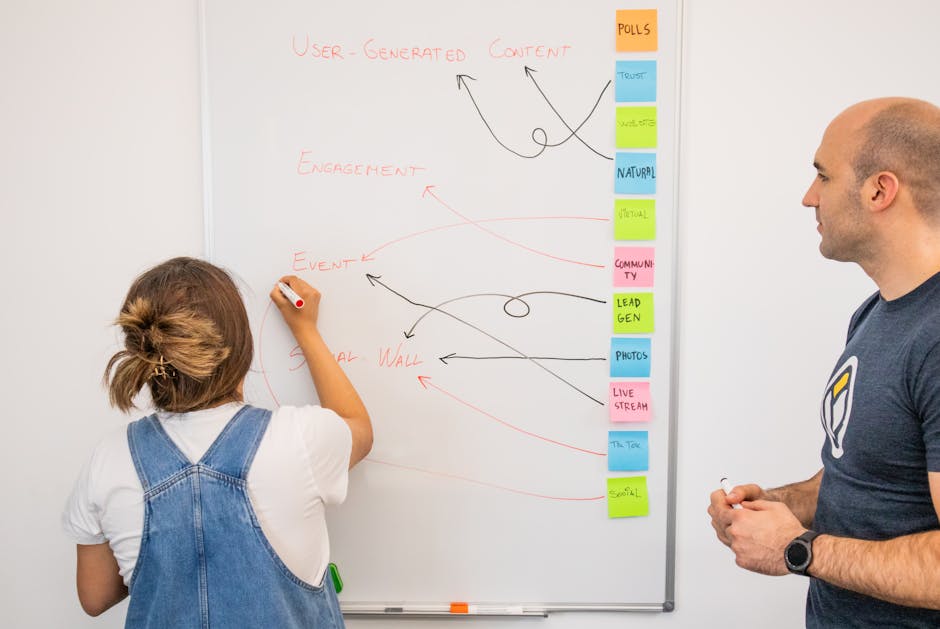
The decline in pure AI content doesn’t mean abandoning AI tools – it means deploying them more strategically. Successful creators are building sustainable workflows that leverage AI’s strengths while preserving human judgment. Here’s how to implement this approach:
Research & Ideation Automation: Use AI for the heavy lifting of initial research without publishing the raw output:
- Generate 10-15 potential headlines before selecting the strongest
- Create comprehensive outlines that human writers can flesh out
- Analyze competing content to identify gaps and opportunities
- Extract key statistics and data points from source materials
Draft Generation with Guardrails: When using AI for drafting, implement strict quality controls:
- Always provide specific examples of your desired tone and structure
- Generate multiple versions (3-5 minimum) and synthesize the best elements
- Fact-check every claim, statistic, and reference – AI hallucination rates remain around 15-20%
- Add personal anecdotes, case studies, or original research that AI cannot replicate
Human Editing as Non-Negotiable: The most successful workflows allocate at least 40% of total content creation time to human editing:
- Rewrite introductions and conclusions entirely – these are engagement critical
- Inject personality through specific word choices, metaphors, and humor
- Add strategic internal linking based on your site architecture
- Optimize for readability with varied sentence structure and paragraph length
Tool Stack Optimization: The study identified specific tool combinations that yielded the best results:
- ChatGPT 4 + Hemingway Editor + Grammarly Premium for drafting and basic editing
- Claude 3 + Frase or SurferSEO for SEO-optimized content frameworks
- Jasper + Originality.ai for enterprises needing scale with quality assurance
- Custom GPTs + WordPress with Advanced Custom Fields for specialized content types
Quality Assurance Protocols: Implement systematic checks before publication:
- Run all content through AI detectors (Originality.ai, Copyleaks) but don’t aim for 0% – aim for balanced scores
- Check readability scores (aim for Grade 8-10 for most web content)
- Verify all external links and citations
- Add schema markup manually or with specialized plugins
The Future: Specialized AI Tools and Niche Applications

The study’s forward-looking analysis suggests the decline in generic AI content will continue, while specialized applications will grow. Creators who succeed will focus on:
Vertical-Specific AI Solutions: Tools trained on specific industries (legal, medical, technical) will outperform general-purpose models. The data shows niche AI tools achieve 72% higher accuracy for domain-specific content versus general models like ChatGPT.
Multimodal Content Creation: AI that generates coordinated text, images, and video from single prompts will become standard. Early adopters of tools like Midjourney + GPT-4 integration are seeing 3.4x higher engagement than text-only content.
Personalization at Scale: AI enables content variations for different audience segments without proportional increases in human effort. The most sophisticated creators are generating 5-7 variants of each core piece for different platforms and reader personas.
Interactive Content Experiences: AI-powered quizzes, calculators, and interactive tools create engagement that static content cannot match. These formats show 89% lower bounce rates and 2.1x longer time-on-page.
The 17% decline in pure AI content publication represents a maturation of the content creation ecosystem, not a rejection of AI tools. Successful creators in 2024 and beyond will be those who master the balance between AI efficiency and human authenticity, creating workflows that leverage the strengths of both. The era of publishing raw AI output is ending; the era of strategic AI-human collaboration is just beginning.