AI Takes Center Stage at CES 2026
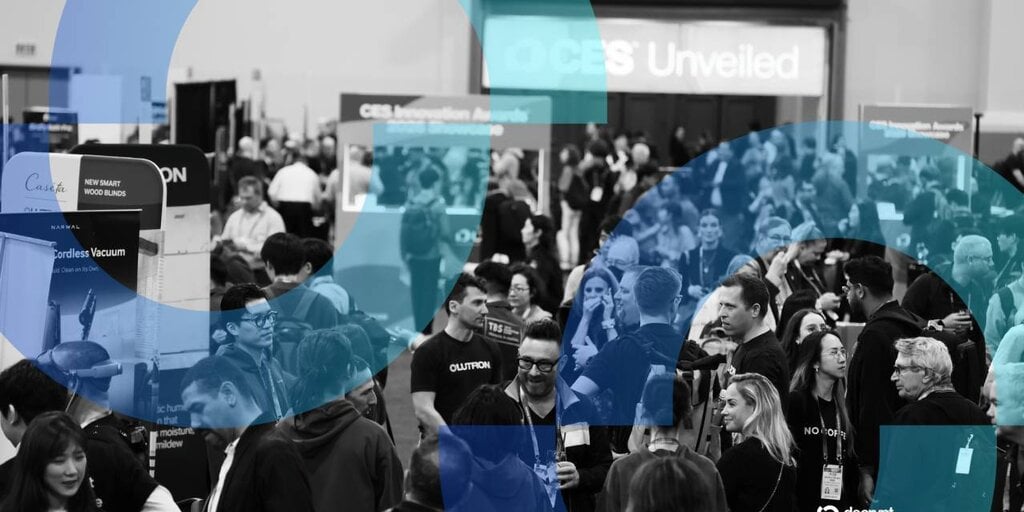
The Consumer Electronics Show (CES) 2026 was dominated by conversations about artificial intelligence (AI), leaving blockchain technology in the shadows. Industry leaders and experts, such as Brian Comiskey, Senior Director of Innovation and Trends at the Consumer Technology Association (CTA), discussed how AI is transforming consumer technology and enterprise operations.
Comiskey described this era as one of “intelligent transformation,” where AI enhances workplaces, personal lives, vehicles, and healthcare systems, turning hardware devices into adaptive, data-driven platforms. The use of AI has now moved beyond experimentation and into essential tools for enterprises and individuals worldwide.
The Evolution of Consumer Technology
Throughout the event, CES highlighted cutting-edge devices like smart glasses, extended reality (XR) headsets, and adaptive automotive technologies. Smart glasses, for example, are already being deployed in industrial spaces for warehouse optimization and remote medical assistance. Cars were presented as software-driven ecosystems, offering AI-powered predictive maintenance and driver personalization features. These advancements are redefining everyday technology, creating seamless user experiences with over-the-air updates and modular designs.
AI in Mental Health, Healthcare, and the Smart Home
AI is also driving innovation in healthcare and mental health. According to Comiskey, continuous monitoring technologies and conversational AI tools are becoming more proactive, with devices capable of detecting early signs of mental health issues, such as depression, based on voice biomarkers. In the smart home sector, products like smart mirrors and connected appliances are being tailored to anticipate user needs, enhancing health and safety, as well as productivity.
One noteworthy example is the YET Smart Mirror, which offers personalized insights on skin health, daily routines, and even health monitoring features.
Hybrid Monetization Models Transform Business
Businesses are adapting to new hybrid monetization strategies, combining subscriptions with advertising, premium add-ons, and tipping revenue systems. Comiskey emphasized that this shift allows platforms to reach a wider audience while offering creators more revenue opportunities. However, this raises questions about growing costs for consumers and the sustainability of such models.
Challenges and Criticisms – AI in the Workplace
Despite its transformative potential, AI adoption hasn’t been without its challenges. CES attendees noted employee concerns over AI-generated inefficiencies. For example, correcting AI-driven output can increase workloads rather than minimize them. Moreover, privacy and data protection sit at the center of the debate, with many questioning how predictive technologies handle sensitive information. The MIT Research Lab even found that despite large investments in generative AI, measurable returns on these tools remain elusive for most organizations.
Blockchain’s Minimal Role in CES 2026
While blockchain was briefly mentioned during CES discussions, it played a secondary role in trend forecasts. The technology was commended for its potential to provide robust security layers, but no significant advancements or implementations in the consumer space were presented. Amid a year where AI dominates the tech spotlight, blockchain’s relevance in consumer technology appears to be overlooked—at least for now.
Final Thoughts
CES 2026 showcased the rapid rise of AI technologies and their implications across industries, from healthcare to automotive. While blockchain might not have been a featured topic, its potential still lingers in the backdrop, waiting for a resurgence in enterprise adoption. The focus on AI mirrors the collective shift towards automation, personalization, and user-centric technological solutions.
As AI continues to revolutionize how we live and work, products like the YET Smart Mirror underscore precisely how this intelligent transformation is taking shape at the consumer level. Stay tuned for more updates on how these trends evolve in the coming years.