Source: Blockonomi, “LayerZero, Canton, and Zero Blockchain Are Building the Rails for Institutional Cross-Chain Value”, published April 4, 2026. The article details a new, high-value cross-chain infrastructure stack forming between LayerZero, Canton Network, and Zero Blockchain, designed to facilitate institutional-grade asset movement and settlement. For AI content creators and automation specialists, this represents a critical case study in how foundational infrastructure—akin to the AI content stack of tools like EasyAuthor.ai, WordPress, and SEO platforms—enables scalable, secure, and valuable digital ecosystems.
Deconstructing the Cross-Chain Infrastructure Stack
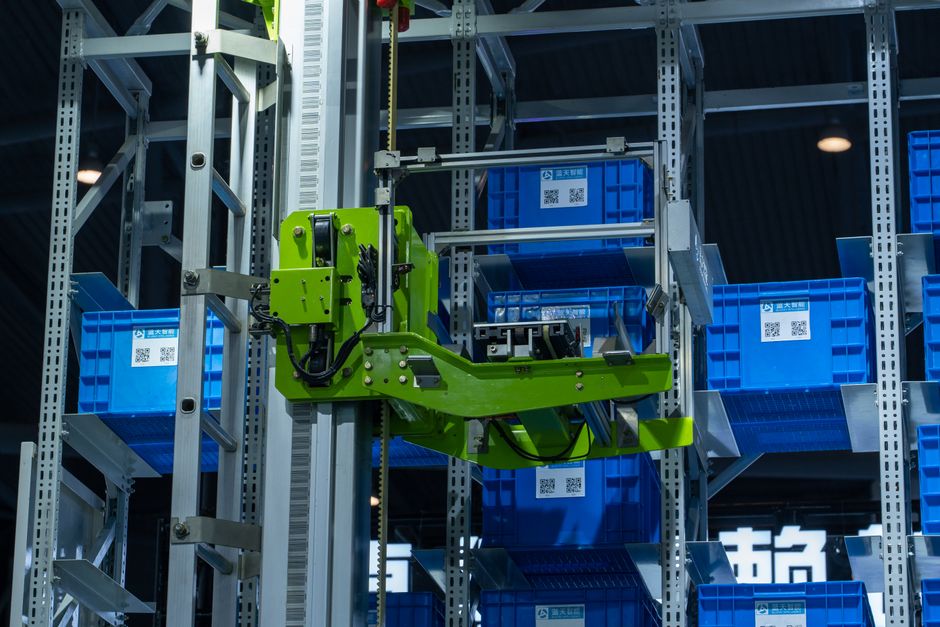
The convergence of LayerZero, Canton Network, and Zero Blockchain isn’t just a crypto story; it’s a blueprint for building robust, interoperable digital systems. This “cross-chain stack” mirrors the architecture needed for professional-grade AI content automation.
LayerZero acts as the universal messaging layer. It’s the protocol that allows different blockchains to communicate, akin to an API or middleware like Zapier in a content workflow. It doesn’t hold assets but enables their secure transfer between systems.
Canton Network, developed by Digital Asset, is the permissioned, privacy-focused settlement layer. Think of it as the secure, enterprise-grade database or CMS. It’s designed for regulated institutions to settle real-world assets (RWAs) like bonds and equities, ensuring compliance and privacy—similar to how enterprise content teams need secure, auditable publishing environments.
Zero Blockchain is the public, high-throughput execution layer. It’s where the actual transactions and smart contract logic run at scale, comparable to the high-performance cloud servers and execution engines that power AI content generation and delivery at volume.
Together, they form a complete pipeline: Messaging (LayerZero) -> Private Settlement (Canton) -> Public Execution (Zero). This is analogous to a modern content stack: AI Generation (EasyAuthor.ai) -> Secure CMS (WordPress) -> Public Delivery & SEO (Cloudflare, Google). The core principle is specialization and interoperability, creating a system greater than the sum of its parts.
What This Means for AI Content Creators and Automation Engineers

The institutional move into this stack signals a maturation phase. Venture capital firm Paradigm reportedly accumulating millions in ZRO tokens (LayerZero’s native token) ahead of a potential “fee switch” activation is a market signal. In the AI content world, this parallels the shift from hobbyist tools to enterprise platforms with clear monetization and value capture mechanisms.
For content professionals, the implications are threefold:
- Infrastructure is Becoming a Competitive Moat: Just as LayerZero’s network of connected chains creates a defensible position, your integrated stack of AI tools, CMS, and distribution channels becomes your moat. A disjointed set of point solutions cannot compete with a seamless, automated pipeline.
- Interoperability is Non-Negotiable: The stack’s value lies in its connections. Your AI writing tool must flawlessly integrate with your WordPress site, which must connect to your email marketing platform and social schedulers. Closed, siloed systems are the legacy chains of yesterday.
- “Institutional-Grade” Means Secure and Compliant: Canton’s focus on privacy for regulated assets highlights a growing demand for secure automation. For content teams, this means tools with robust access controls, audit trails, data privacy compliance (GDPR, CCPA), and secure API connections—features now moving from “enterprise” to “prosumer.”
The reported activity around ZRO’s fee switch—a mechanism to turn on protocol fees and direct value to token holders—is a direct analog to the monetization of SaaS platforms. It underscores that sustainable infrastructure requires a clear economic model, whether it’s a blockchain protocol charging per message or an AI platform charging per article.
Building Your Own “AI Content Stack”: A Practical Guide

Inspired by the cross-chain blueprint, you can architect a high-performance AI content automation stack. The goal is to create a seamless flow from ideation to publication and analysis, minimizing manual intervention and maximizing output quality and consistency.
1. The Messaging & Orchestration Layer (Your “LayerZero”)
This is your workflow automation hub. It doesn’t create content but connects everything.
- Primary Tool: n8n, Make (Integromat), or Zapier. For advanced users, custom scripts with Python and libraries like LangChain or LlamaIndex can orchestrate complex AI agent workflows.
- Function: Trigger AI article generation in EasyAuthor.ai based on a keyword list from Ahrefs. Take the completed HTML output and automatically post it to your WordPress site via the REST API. Then, trigger a social media post via Buffer or Hootsuite.
- Key Metric: Reduction in manual steps. Aim to go from 10+ manual actions per article to a single-button publish workflow.
2. The Secure Settlement & Management Layer (Your “Canton Network”)
This is your single source of truth—your secure, managed content hub.
- Primary Tool: WordPress (with Advanced Custom Fields and a strict editorial workflow) or a headless CMS like Strapi or Contentful.
- Function: Acts as the secure repository for all final content. It should enforce editorial review, version control, scheduled publishing, and role-based permissions. Plugins like PublishPress or Edit Flow add Canton-like governance. All automated feeds from your orchestration layer settle here.
- Key Metric: Editorial cycle time and version error rate. A robust system should cut review cycles in half and eliminate publishing mistakes.
3. The Public Execution & Optimization Layer (Your “Zero Blockchain”)
This is the high-performance public face of your operation.
- Primary Tools: Combination of Cloudflare (CDN & security), Google Search Console & Analytics (performance tracking), and Ahrefs or Semrush (SEO execution).
- Function: Takes the published content and ensures it’s delivered fast, indexed properly, and ranked. This layer should include automated SEO audits, performance monitoring, and A/B testing for headlines and meta descriptions.
- Key Metric: Core Web Vitals scores, organic traffic growth, and keyword rankings. This layer directly impacts business outcomes.
Putting It All Together: A Sample Automated Workflow
- Trigger: n8n monitors an RSS feed of industry news (e.g., CoinDesk for crypto) or a Google Trends alert.
- Orchestration: n8n sends the topic to EasyAuthor.ai via API with specific instructions: “Write a 1200-word expert analysis article targeting keyword ‘cross-chain infrastructure,’ include H2s, and output in WordPress-ready HTML.”
- Generation: EasyAuthor.ai creates the draft and returns the HTML to n8n.
- Settlement: n8n posts the HTML as a “Draft” to a designated WordPress category, tagging the assigned editor for review.
- Governance: Editor receives a Slack notification, reviews the draft in WordPress, makes minor edits, and clicks “Schedule.”
- Execution: Upon publishing, WordPress webhook triggers n8n to create a social post, and an automated audit in Ahrefs/Semrush verifies the page is indexed and tracking the target keyword.
This stack reduces human effort to strategic review and oversight, turning content creation from a craft into a scalable engineering process.
The Future of Content Automation: From Pipelines to Intelligent Networks

The evolution of cross-chain infrastructure from fragmented bridges to integrated stacks like LayerZero-Canton-Zero foreshadows the future of AI content creation. We are moving beyond simple automation pipelines toward intelligent, autonomous content networks.
The next phase will involve:
- Autonomous Agent Networks: Instead of a linear workflow, multiple AI agents will collaborate—one researching, one writing, one optimizing for SEO, one creating social snippets—all coordinated by a central orchestrator, much like validators on a blockchain.
- Value-Accruing Content Assets: Just as ZRO tokens may capture fee value, content assets generated by AI could have embedded monetization or governance rights, tracked on-chain or via dedicated protocols.
- Institutional-Grade Tooling: The demand for secure, compliant, and auditable content automation will explode in regulated industries like finance, healthcare, and legal, driving tool development toward higher security and integration standards.
The lesson from LayerZero, Canton, and Zero Blockchain is clear: the greatest leverage in the digital age comes not from a single superior tool, but from the elegant, secure, and scalable integration of specialized components. For the AI content strategist, the mandate is to stop thinking in terms of individual articles and start architecting your content stack. Invest in your “LayerZero” (orchestration), fortify your “Canton” (secure CMS), and optimize your “Zero” (delivery & SEO). The infrastructure you build today will define your capacity to create, capture, and scale value in the AI-driven content economy of tomorrow.


